

Last updated October 15, 2026


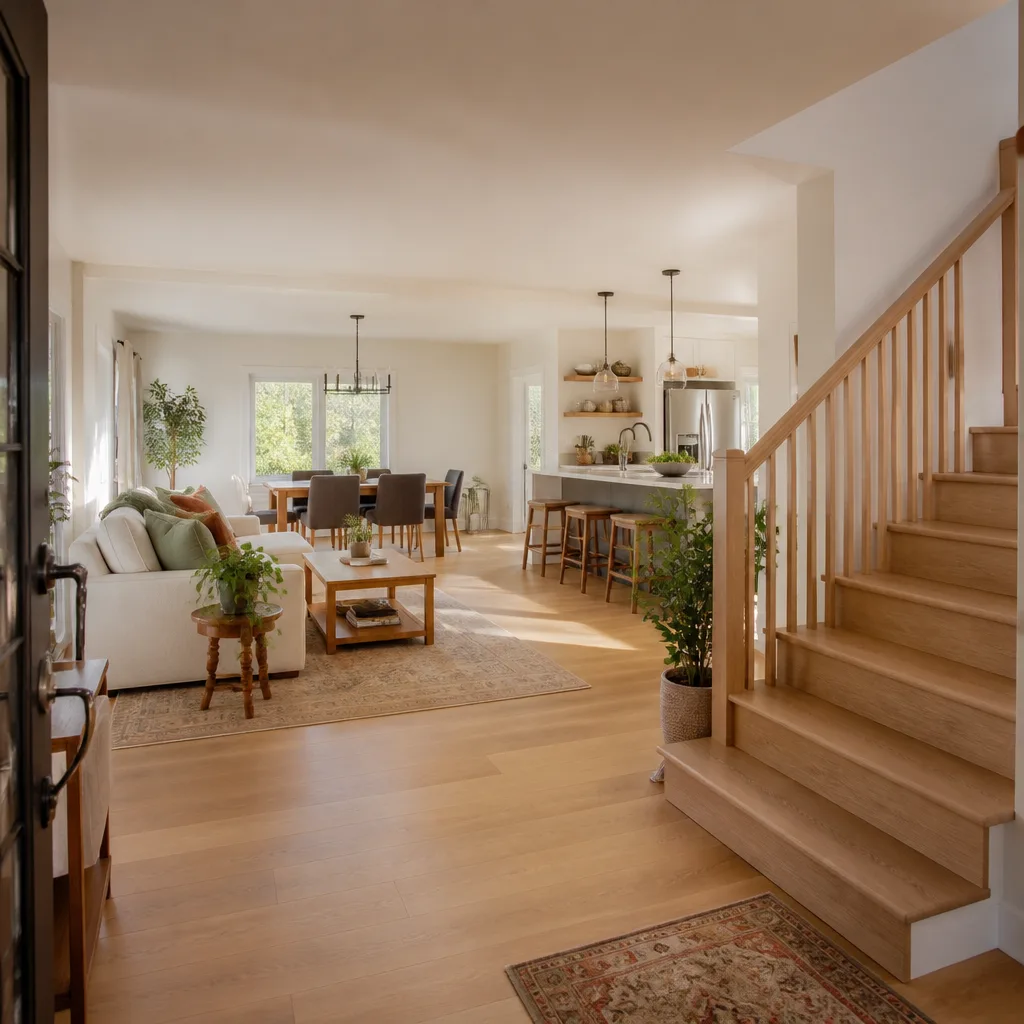





Free written scope consultation - allowances, timeline, and change-order rules on paper before a single trade is scheduled
How to Hire a Construction Contractor in San Antonio: A Step-by-Step Guide
Texas remains one of the few states that does not require a general contractor’s license at the state level for most residential remodeling work. A truck with a logo and a confident handshake mean nothing if the paperwork behind them is thin. What actually protects a San Antonio homeowner is a stack of documents: insurance certificates that name you, a written scope of work with real allowances, and a contract that spells out who answers when the grout cracks eight months after the final walkthrough. This guide walks through the exact verification steps we would tell a neighbor in Alamo Heights, Stone Oak, or Helotes to take before signing anything, and it explains how to read the documents that matter. For more guides & resources on protecting your home, see our blog.
Styles & brands we work with







Quick Answer
To hire a construction contractor in San Antonio, verify insurance and trade licenses before requesting a written bid, then compare bids line by line for allowances, exclusions, and payment schedules. Interview at least three contractors about how they protect an occupied home, call San Antonio-specific references about permit and inspector interactions, and sign a contract that names a workmanship warranty duration, response time, and who performs repairs. Elmstead Remodeling San Antonio gives every client a written price before any work starts and backs every project with a 365-Day Done Right Promise.
Table of Contents
- Step 1: Ask for the Three Documents Before You Discuss Price
- Step 2: Read the Written Bid for What’s Missing
- Step 3: Ask the Three Questions That Reveal How a Crew Treats an Occupied Home
- Step 4: Check References the San Antonio Way
- Step 5: Read the Workmanship Warranty Line by Line
- Step 6: Call the City of San Antonio Development Services Department
- Step 7: Sign a Contract That Names What Happens When Something Goes Wrong
- Common Mistakes to Avoid
- When to Call a Professional
- Frequently Asked Questions
- The Bottom Line
Step 1: Ask for the Three Documents Before You Discuss Price
Most homeowners start with the wrong question. They ask “How much?” before asking “What happens to my house if something goes wrong?” The answer to the second question comes from three documents, and you should ask for all three before you let anyone measure a single wall.
The Certificate of Insurance naming you as additional insured. This is not the same as a contractor saying they have insurance. A certificate of insurance (COI) is a document issued by the contractor’s insurance carrier that lists you, the homeowner, as an additional insured on their general liability policy. That designation means the insurance company notifies you if the policy lapses or cancels mid-project. Without that box checked, a contractor can cancel their policy the day after signing your contract and you would never know until a claim gets denied. Ask for a COI that names you by name and lists the policy’s effective dates and coverage limits. Then call the insurance agent listed on the certificate to verify the policy is active. A two-minute phone call is the difference between a documented contractor and one holding a photocopied certificate from three years ago.
Proof of workers’ compensation coverage. In Texas, private employers are not required to carry workers’ compensation insurance. A homeowner who hires a contractor without workers’ comp becomes, in the eyes of the law, the employer if a crew member gets hurt on the property. That can mean medical bills, lost wages, and a lawsuit against the homeowner’s policy. Always ask for written proof of workers’ compensation coverage, and verify it with the carrier before the first day of work.
Trade licenses for any subcontractor touching electrical, plumbing, or HVAC. Texas licenses electricians, plumbers, and HVAC technicians through the Texas Department of Licensing and Regulation (TDLR). A general contractor in San Antonio may not hold a license themselves, but any subcontractor doing that work must. Ask the contractor to name which subcontractors will handle electrical, plumbing, and HVAC, then request each subcontractor’s TDLR license number and verify it on the TDLR website. No license number, no signature.
Step 2: Read the Written Bid for What’s Missing
A written bid is a document you read for what it does not say. The omissions are where disputes start. Here is how to read one like a construction attorney, or at least like someone who has sat through enough remodeling jobs gone wrong to know where the traps hide. For a deeper look at budgeting, see our Construction Cost Breakdown: The San Antonio Homeowner’s Reference for 2026.
Allowances versus fixed prices. An allowance is a placeholder dollar amount for a product that has not been selected yet, such as tile, countertops, or light fixtures. A bid that includes a $2,000 allowance for countertops does not mean your countertops cost $2,000. It means the contractor allocated $2,000 and will bill you the difference when you pick a slab that costs $3,800. Allowances are not inherently dishonest, but a responsible bid names them clearly and states what happens when the allowance is exceeded. A bid that buries allowances in the fine print or never mentions them is a bid designed to grow after the crew arrives. At Elmstead Remodeling San Antonio, the written price is the price: what we give you before any work starts is what the work costs, and allowance overages are discussed and agreed to before a product is ordered, never sprung during the final invoice.
Exclusions buried in the scope. Read the scope of work and ask one question: what is not on this list? If the bid includes drywall repair but does not mention painting, you are going to pay for painting separately and you will not know that until the drywall is smooth and someone hands you a change order. If the bid includes a new shower pan but does not mention the shower valve, the plumbing upgrade likely did not make the list. Go through the scope line by line and ask the contractor to point out, in writing, what the bid excludes. A contractor who will not name exclusions in writing is a contractor who relies on them later.
Payment schedules that front-load risk. A payment schedule tells you who holds the risk at each stage of the project. A contractor who asks for 50 percent upfront and another 40 percent at rough-in holds nearly all of the homeowner’s money before the project is halfway done. A reasonable schedule ties payments to completed milestones and leaves a meaningful final payment until the punch list is finished and the last inspection has passed. If the first draw is more than 30 percent, that is a conversation worth having before you sign.
Step 3: Ask the Three Questions That Reveal How a Crew Treats an Occupied Home
Most homeowners interview a contractor for about 20 minutes and spend 19 of those minutes on price and timeline. Those are important, but they do not tell you what it will feel like to live through the remodel. The questions that reveal whether a contractor has actually thought through your family’s daily life are quieter, and they are the ones fewer people ask.
Question one: What exactly will you protect, and what do you use to protect it? Listen for specifics. A contractor who says “we’ll keep things clean” has not thought about it. A contractor who says “we lay drop cloths on every walking path from the door to the work area, put shoe covers on at the door, and seal off the work zone with plastic sheeting every afternoon before we leave” has. At Elmstead Remodeling San Antonio, the crew lays drop cloths on every visit and puts shoe covers on before stepping inside, and it is not an add-on charge. It is part of the written price. A photo of the clean-up gets taken before the crew leaves, every day, as proof the home was left right.
Question two: How do you handle quiet hours for children and pets? San Antonio is a city of young families, and a remodel happens during nap time whether the contractor plans for it or not. Ask whether the crew can schedule the loudest work, saw cuts, tile cutting, demolition, around your child’s sleep schedule. A contractor who has worked in occupied homes will have an answer. Ours is that our crews use quiet tools during family rest hours where it is possible, and we ask about napping children and nervous pets during the first site walk, not as an afterthought. It is one of the C.A.R.E. values we hold to at every location: Respect the family’s time and quiet hours.
Question three: What do you do at the end of every workday? The answer to this question tells you more about a contractor than any marketing language ever will. You want to hear specifics: tools put away, work area swept, debris bagged and removed, front walk clear, no nails left in the driveway, a quick walkthrough with the homeowner if they are available. A contractor who cannot describe their end-of-day routine is a contractor who has not built one. At Elmstead Remodeling San Antonio, the routine includes a photo of the clean-up before the crew leaves, taken as proof and shown to the homeowner at the end of the job or earlier if they ask. The house is left better than the crew found it, every single day.
Step 4: Check References the San Antonio Way
Every contractor has three happy references. Asking for references is not the step; knowing what to ask is. In San Antonio, the questions that separate a good contractor from a well-marketed one are about permits, inspectors, and the final price. Here is what to ask a former client.
Did the contractor pull permits through the City of San Antonio Development Services Department, and how did the inspections go? San Antonio requires permits for most remodeling work that touches structural elements, electrical, plumbing, or mechanical systems. A contractor who tries to skip permits is a contractor who is asking you to carry legal and financial risk for work the city has never seen. Ask the reference whether permits were pulled, whether inspectors had comments, and how the contractor responded when an inspector flagged something. A good contractor treats an inspector as a QA check, not an adversary.
Did the final price match the written quote? The single most revealing question you can ask a reference. If the answer is “yes, except for the change we asked for,” that is a contractor with pricing integrity. If the answer is “well, there were a few surprises,” that is a contractor who writes loose scopes and tight change orders. Ask for specifics: what changed, who initiated the change, and whether the cost was discussed before the work was done.
How did the crew treat your kids and your pets? Ask this question exactly like that. A former client with a dog and a toddler will remember whether the crew left the gate open, whether they asked before moving the high chair, whether they swept up drywall dust before it reached the hallway where the baby crawls. The answer to this question is a window into what your own experience will feel like.
Would you hire them again? Ask it last, after the other questions have given the reference time to think. A pause before the yes means something. A long, enthusiastic story about the clean-up photo means more than any review site ever will.
Step 5: Read the Workmanship Warranty Line by Line
A workmanship warranty is only worth what it specifies in writing. “We stand behind our work” is a sentence, not a warranty. A warranty you can enforce names four things, and you should read for each one before you sign.
Duration. How long does the warranty last? One year is common. Two years is better. A contractor who will not put a duration in writing is selling a handshake, not a warranty. Elmstead Remodeling San Antonio backs every completed project with a 365-Day Done Right Promise: if it is not done right, we make it right. It is the longest-standing post-project commitment in our service area, and it is stamped on every project in writing, never verbal.
Covered defects. A warranty should name what is covered: workmanship defects in the installation, such as a cabinet door that no longer closes properly, a tile that cracks due to improper thinset coverage, grout that fails in a shower pan because the pan was not sloped correctly. A warranty that only covers “reasonable repair requests” is not a warranty; it is a suggestion. Ask the contractor to name, in writing, the specific categories of defects the warranty covers.
Response time. If a cabinet door falls off six months after the project is done, how quickly will the contractor come look? A warranty that names a response time, for example, “we will send a technician within 10 business days of receiving written notice” is a warranty you can plan around. A warranty that says “we will address it as soon as possible” is a warranty with no clock. Ask for a written response time.
Who performs the repair. The warranty should name the party responsible for the repair work. Is it the same contractor? A named subcontractor? The product manufacturer? For products like James Hardie siding or Owens Corning roofing materials, the manufacturer’s warranty covers the product itself, but the labor warranty must come from the contractor. Make sure the document distinguishes between product defects covered by the manufacturer and workmanship defects covered by the contractor, and name both in the contract.
Step 6: Call the City of San Antonio Development Services Department
Before you sign anything, make one phone call. The City of San Antonio Development Services Department keeps records of permits, inspections, and code violations, and much of that information is accessible to the public. Call and ask about the address where the work will happen and the contractor you are considering.
Here is what to ask: Has this contractor pulled permits in San Antonio before, and did those projects pass their final inspections? Have there been any stop-work orders or unresolved code violations tied to the contractor or the property? Does the planned scope of work require a permit, and what specific inspections will the city need to perform?
This call is free, it takes about 15 minutes, and it screens out the contractors who have a history of doing unpermitted work or abandoning projects mid-inspection. A contractor who encourages you to skip the permit because “we can do it faster without the city involved” is a contractor who is asking you to pay full price for work the city will never verify. In San Antonio, unpermitted work can complicate a future home sale, trigger fines, and in some cases require the work to be opened up and redone at the homeowner’s expense. The fastest way to avoid all of that is the phone call to Development Services before the contract is signed.
Step 7: Sign a Contract That Names What Happens When Something Goes Wrong
Every contract describes what happens when the project goes well. A contract that protects you also names what happens when it does not. Before you sign, read for these five clauses, and if any of them are missing, ask for them in writing.
Change order procedure. The contract should state that any change to the scope of work, whether initiated by you or discovered during construction, must be documented in a written change order with a stated price and a homeowner signature before the work happens. No verbal change orders, no “we’ll figure it out later.” At Elmstead Remodeling San Antonio, the written price before any work starts is the foundation, and any change is priced in writing before a tool is picked up.
Dispute resolution clause. The contract should say what happens if you and the contractor disagree. Mediation first? Arbitration? Court? A good contract names the process and the venue, which in San Antonio typically means Bexar County. A contract that is silent on disputes leaves you with expensive, slow court proceedings by default.
Termination rights. The contract should state under what conditions either party can terminate the agreement and what payment is owed for work completed to that date. Without a termination clause, a homeowner who fires a contractor mid-project can end up in a legal gray area about payment for partial work.
Lien release language. In Texas, subcontractors and suppliers who are not paid by the general contractor can file a mechanic’s lien against the homeowner’s property, even if the homeowner paid the general contractor in full. The contract should require the contractor to provide partial lien releases from all subcontractors and suppliers as each payment is made, and a final lien release at project completion. This is standard practice for a careful contractor and non-negotiable for a careful homeowner.
Cleanup and site protection. The contract should state what the contractor will do to protect the home and how the site will be left each day. Ask for this to be in writing, not verbal. Our contracts name the drop cloths, the shoe covers, the end-of-day clean-up, and the photo that documents it. The Cedarwell Care Promise is part of the written agreement, not a marketing line. Clean up like it is our own home; Ask before we move or touch anything; Respect the family’s time and quiet hours; Explain the price before the work. Those are the C.A.R.E. values, and they are in the contract.
Common Mistakes to Avoid
- Hiring the lowest bid without comparing scopes. A low bid in San Antonio usually means a narrower scope, not a better deal. The contractor who quoted $12,000 for a bathroom may have left out the plumbing inspection, the drywall repair, or the tile underlayment. Compare line items, not totals.
- Paying the full amount before the final inspection passes. Once the contractor has all the money, the leverage shifts. Hold back a meaningful final payment, typically 10 to 15 percent, until the City of San Antonio final inspection is signed off and the punch list is complete.
- Signing a contract that never names subcontractors. The crew that shows up matters as much as the name on the contract. Ask who will be in the house and require that the subcontractor list be attached to the contract as an exhibit.
- Assuming a handshake warranty is enforceable. Texas courts enforce written contracts, not remembered conversations. If the warranty is not in writing with a duration and a response time, it does not exist.
- Skipping the permit because the contractor says it is unnecessary. San Antonio has specific permit triggers. If the work touches structure, electrical, plumbing, or mechanical systems, it likely needs a permit. A contractor who wants to skip it is shifting risk onto you.
- Not verifying insurance directly with the carrier. A certificate of insurance is a piece of paper unless you call the carrier and confirm the policy is active. We have seen homeowners hire contractors holding COIs from cancelled policies.
- Ignoring the reference’s pause. When you ask a reference whether they would hire the contractor again, listen to the silence before the answer. A hesitation is a paragraph of information in one second.
When to Call a Professional
Call a professional before you buy materials, before you start demolition, and before you let a friend’s helpful cousin open up a wall. The moment the scope of work touches anything structural, electrical, plumbing, or waterproofing, the risk of getting it wrong rises dramatically, and the cost of fixing a mistake is almost always higher than the cost of hiring a careful contractor the first time. Call a professional if you are planning a kitchen remodel that moves plumbing or electrical, a bathroom remodel with a new shower pan or tile, or any project that requires a City of San Antonio permit. For advice on hiring someone trustworthy for a whole-home project, start with our guide to finding a general contractor in San Antonio. Elmstead Remodeling San Antonio offers free estimates for remodeling projects across San Antonio, and the estimate always includes a written price before any work starts. Call (432) 233-0976 to schedule yours.
Frequently Asked Questions
No. Texas does not require a general contractor’s license at the state level for most residential remodeling work, which is why verifying insurance certificates, workers’ compensation coverage, and trade licenses for electrical, plumbing, and HVAC subcontractors is the real credential check in San Antonio. Call (432) 233-0976 to ask us about the specific documents we provide before any project starts.
Most San Antonio bathroom remodels run between $18,000 and $45,000 depending on scope, size, and material selection, while kitchen remodels typically range from $35,000 to $90,000, and whole-home projects vary widely based on square footage and structural work. A written price before any work starts is the only way to know your real cost, and Elmstead Remodeling San Antonio gives every client that written price before the first tool is picked up. Call (432) 233-0976 to schedule a free estimate and get exact numbers for your project.
Ask for a Certificate of Insurance naming you as additional insured, written proof of workers’ compensation, the TDLR license numbers for any electrical, plumbing, or HVAC subcontractors, and a written scope of work that names allowances, exclusions, and payment milestones. Then ask how the crew protects an occupied home: what they lay down, how they handle quiet hours, and what they do at the end of every workday. Call (432) 233-0976 to ask us these questions directly and get straight answers.
San Antonio requires permits for most work that touches structural elements, electrical systems, plumbing, or mechanical systems, and the City of San Antonio Development Services Department can confirm whether your specific project needs one. Unpermitted work can complicate a future home sale and trigger fines, so ask any contractor whether they will pull permits and schedule inspections before you sign. Elmstead Remodeling San Antonio pulls permits and stands with the homeowner at every inspection, and you can ask us about your project by calling (432) 233-0976.
It should not unless you change the scope, and the contract should state that any change requires a written change order with a stated price and your signature before the work begins. A contractor whose bid allows the price to grow after the crew arrives without documentation is writing a loose contract, not a careful one. Elmstead Remodeling San Antonio gives every project a written price before any work starts, and change orders are always priced in writing before work proceeds. Call (432) 233-0976 for a free estimate with a written price.
A workmanship warranty should name a duration in writing, the specific categories of covered defects, a response time for repair requests, and who performs the repair work, whether the contractor or a named subcontractor. Manufacturer warranties from brands like James Hardie siding, Owens Corning roofing, and IKO shingles cover the products themselves, but the labor warranty must come from the contractor in writing. Elmstead Remodeling San Antonio backs every completed project with a 365-Day Done Right Promise: if it is not done right, we make it right. Call (432) 233-0976 to ask how we handle warranty claims.
The Bottom Line
Hiring a construction contractor in San Antonio is a paperwork problem before it is a price problem. Verify insurance certificates and trade licenses, read the written bid for what is missing, ask the three questions about how a crew treats an occupied home, call references with San Antonio-specific questions about permits and inspectors, and sign a contract that names the warranty duration, dispute process, and lien releases in writing. The contractor you want is the one who hands you the documents before you ask for them, and who puts the clean-up promise in the contract alongside the price. Written by Graham Stein, Owner at Elmstead Remodeling San Antonio, serving San Antonio since 2005.
See the difference
 Before
 After
After Before
 After
After Before
 After
After

