
Last updated October 15, 2026


Free written scope consultation - allowances, timeline, and change-order rules on paper before a single trade is scheduled
Construction Cost Breakdown: The San Antonio Homeowner’s Reference for 2026
Here’s a number that should stop you: the $35,000 kitchen remodel a San Antonio homeowner priced out in 2022 now costs between $41,000 and $46,000 for the same scope. That’s not a contractor padding a bid. It’s what happens when cabinet lead times stretch, skilled tile setters book out eleven weeks, and a permit application sits in a Bexar County queue for two and a half months. This guide breaks down what a remodel actually costs in San Antonio in 2026, line item by line item, so you can read a written bid, spot the allowances that will run short, and decide which projects are worth the money in this market. For more guides & resources on local construction topics, see our blog. You’ll leave with real dollar ranges for kitchens, bathrooms, additions, and roofs, plus the local factors no national cost guide knows.
Styles & brands we work with







Quick Answer
Remodeling costs in San Antonio in 2026 run from about $18,000 for a basic guest bathroom to $240,000+ for a full second-story addition, with a mid-range kitchen at $45,000-$70,000 and a roof replacement at $14,000-$28,000 depending on material. The three variables moving every San Antonio bid right now are skilled labor rates (electricians at $95-$125/hour, plumbers at $90-$120/hour), material prices that reset higher after 2021-2022 supply shocks and never fully corrected, and an 8-12 week Bexar County permit backlog that adds real carrying costs to financed projects. Understanding Construction Permits, Codes & Inspections in TX: What You Need to Know helps you budget for that delay. A written, fixed-price quote protects you from the two biggest budget killers: allowance shortfalls and cost-plus creep.
Table of Contents
- Room-by-Room Remodeling Costs in San Antonio for 2026
- Labor Cost Reality: What Trades Actually Charge in San Antonio
- How to Read a Written Bid for Hidden Cost Risk
- The Carrying Cost of a Delayed Project
- Which San Antonio Remodeling Investments Actually Pay Back
- The Three Material Lines Driving 2026 Prices
- Common Mistakes to Avoid
- When to Call a Professional
- Frequently Asked Questions
- The Bottom Line
Room-by-Room Remodeling Costs in San Antonio for 2026
Numbers first, explanation after. These ranges reflect what we actually see in written bids across San Antonio neighborhoods in 2026, from Alamo Heights to Stone Oak to Helotes. They assume a licensed general contractor pulling permits, not an unlicensed handyman working under the table.
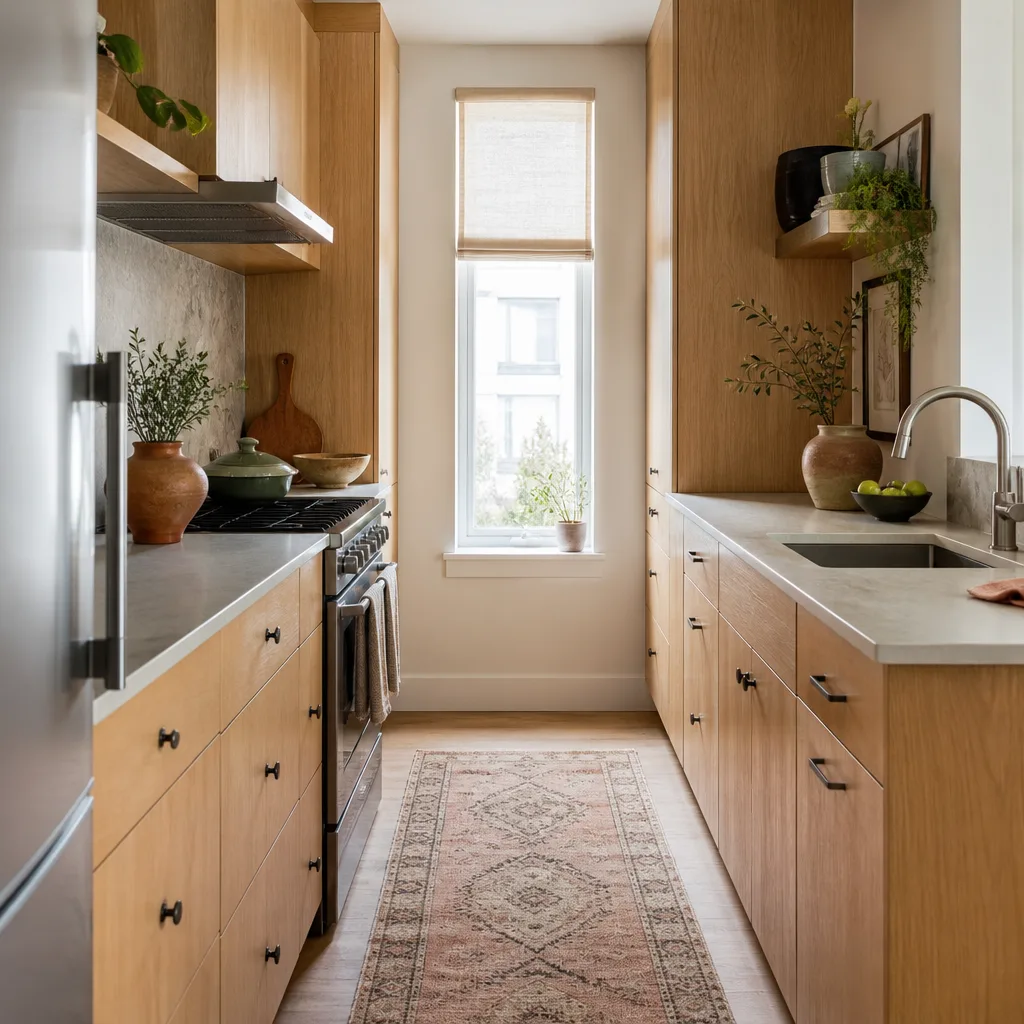
Kitchen Remodel: $45,000 – $85,000+
A functional kitchen refresh with new cabinet fronts, quartz countertops, a tile backsplash, and new fixtures lands around $45,000-$55,000 in most San Antonio homes. A full gut with layout changes, custom or semi-custom cabinets, new flooring, and upgraded appliances runs $65,000-$85,000, and it climbs fast from there if you’re moving gas lines or load-bearing walls. Cabinets are the single largest line item at 30-35% of the total. Countertops typically run 10-15%. Labor and rough-in electrical and plumbing sit between 20-25%.
What moves you toward the low end: keeping the existing footprint, choosing stock or semi-custom cabinets from a line like KraftMaid, and timing the project for a slower season. What moves you toward the high end: moving the sink or range, adding an island where none existed, or discovering that a 1960s-era home needs wiring brought up to current code. Homes in older San Antonio neighborhoods like Jefferson or Monticello Park frequently carry that last surprise.
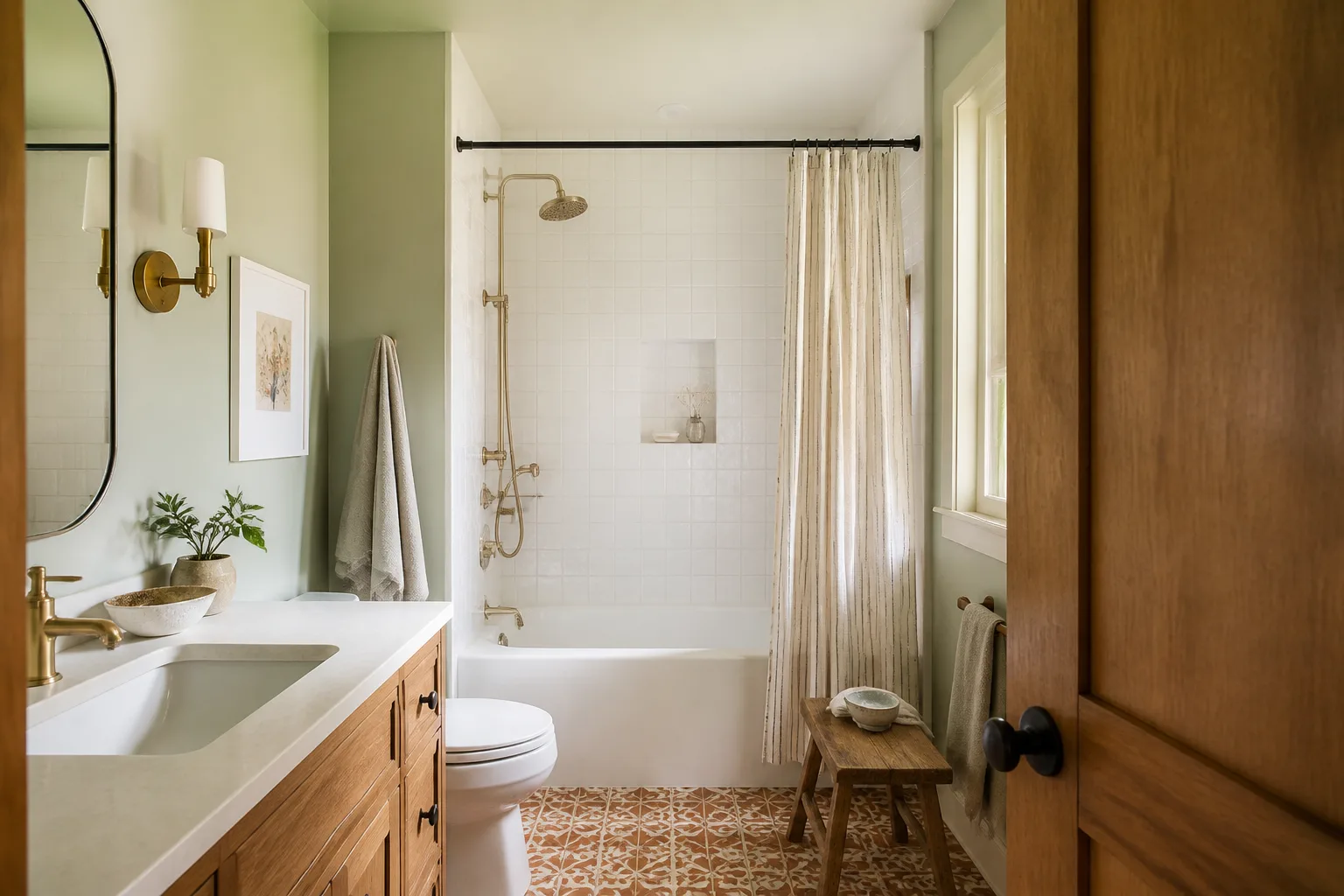
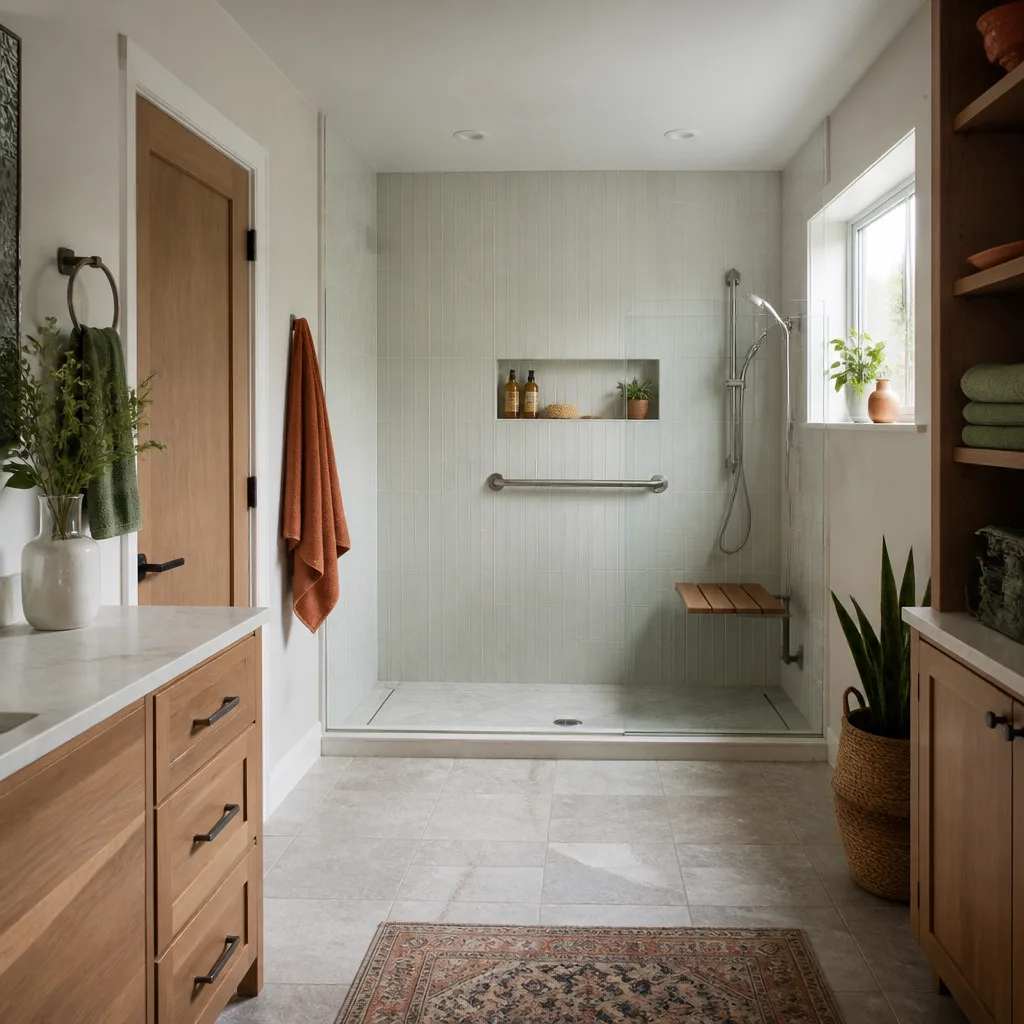
Bathroom Remodel: $18,000 – $48,000
A modest guest bath with a new vanity, toilet, tile surround, and fixtures starts around $18,000-$24,000. A primary bath with a walk-in shower, freestanding tub, double vanity, and heated flooring runs $35,000-$48,000. The gap comes from tile labor (a walk-in shower takes a skilled setter three to five days), waterproofing systems like Schluter, and fixture choices. A Kohler or Moen fixture set runs higher than big-box alternatives, but those manufacturers stand behind their products with warranties homeowners can verify independently.
San Antonio’s hard-water reality matters here. If you’re choosing finishes, think about how limestone-heavy municipal water affects glass shower doors and chrome fixtures. We recommend fixtures with finishes rated for hard water, and we tell families this during the estimate, not after the first mineral deposit shows up.
Room Addition: $180 – $320 per square foot
A ground-floor addition in San Antonio runs $180-$220 per square foot for a simple bump-out with no plumbing. Add a bathroom or kitchenette and it climbs to $260-$320 per square foot. Foundation work is the variable. Much of San Antonio sits on expansive clay soil, which moves with seasonal moisture changes. Some additions require soil testing and pier adjustment before framing begins, and that’s a cost national guides ignore because they’re written for markets with different geology.
A 400-square-foot primary suite addition on a slab foundation in a neighborhood like Oak Hills will land somewhere around $104,000-$128,000 all in, including permits, foundation, framing, finishes, and the final clean-up photo. Families should budget four to six months from permit submission to final walkthrough.
Roof Replacement: $14,000 – $28,000
A standard 2,000-square-foot single-story San Antonio home needs roughly 28-32 squares of roofing. Architectural asphalt shingles run $450-$550 per square installed, putting a typical replacement at $14,000-$18,000. Standing seam metal runs $800-$1,000 per square, or $22,000-$28,000. San Antonio’s hail history means insurance claims drive a large share of roof replacements here, so your out-of-pocket number may look different after a claim is approved.
One San Antonio-specific factor: the city’s roof permitting process moved online but still runs behind during storm season. We covered the safety side in our Construction Warning Signs: A San Antonio Homeowner’s Reference Guide. Filing early in spring, before hail season peaks, avoids the queue. And a note on materials: GAF and James Hardie products carry measurable manufacturer warranties, which matters when you’re comparing bids that quote different product grades.
Here’s the honest breakdown in one place:
- Kitchen: $45,000-$85,000+ (cabinets 30-35%, countertops 10-15%, labor 20-25%)
- Bathroom: $18,000-$48,000 (tile labor and waterproofing drive the spread)
- Addition: $180-$320/sq ft (foundation conditions on clay soil add cost)
- Roof: $14,000-$28,000 (asphalt vs. metal; storm-season permit timing affects schedule)
- Whole-home remodel: $180,000-$350,000 depending on square footage and fixture grade
Labor Cost Reality: What Trades Actually Charge in San Antonio
Here’s the number most homeowners get wrong. A licensed electrician in San Antonio billed $65-$75 per hour in 2020. In 2026, that same electrician charges $95-$125 per hour. Plumbers run $90-$120. Tile setters, the artisans who actually make a shower look right, command $70-$95 per hour and book out six to eleven weeks during peak season.
Why the jump? San Antonio’s construction labor pool tightened after 2021, and it hasn’t recovered. Skilled workers left the trades during the pandemic, the remaining ones aged, and apprenticeship programs haven’t replaced them at the same rate. Meanwhile, San Antonio keeps growing. Bexar County added more new residents than almost any county in Texas over the past three years. More houses, more remodels, same number of licensed electricians.
The difference between a subcontractor’s hourly rate and a general contractor’s all-in bid confuses a lot of homeowners. Here’s the simple version: when a general contractor tells you a bathroom will cost $32,000, that number includes the electrician’s $110/hour, the plumber’s $105/hour, and the tile setter’s $85/hour. It also includes the general contractor’s supervision time, project management, permit processing, dumpster rental, material delivery coordination, and the warranty standing behind the finished work.
- Step one: Ask what each trade line estimates. A good written bid breaks out plumbing, electrical, and tile labor separately.
- Step two: Compare the labor allocation against the scope. A primary bathroom with a new walk-in shower should show 40-60 hours of tile labor. If a bid shows 20 hours, the setter is rushing or the bidder is underestimating to look cheaper.
- Step three: Verify that the general contractor uses licensed trades. In San Antonio, electrical and plumbing work requires state-licensed professionals. Unlicensed labor may quote lower, but the risk shifts to you in the form of code violations, inspection failures, and no warranty path.
At Elmstead Remodeling San Antonio home, every project runs with background-checked, uniformed technicians, and the written price includes the real cost of doing the work right, not the optimistic version. Families with children and pets also care about who walks through the door. We name that up front.
How to Read a Written Bid for Hidden Cost Risk
Two contract types dominate San Antonio remodeling in 2026: fixed-price and cost-plus. They are not the same thing, and the difference determines whether your $60,000 kitchen stays $60,000.
A fixed-price contract locks the scope and the price before work starts. If the contractor underestimated framing labor, that’s their problem, not yours. This is the structure we use at General Contractor in San Antonio projects, because it aligns with giving families a written price before any work starts. A cost-plus contract charges you the actual cost of labor and materials plus a percentage markup (typically 15-25%). It’s transparent in theory, but the incentive structure rewards running up costs. If a subcontractor hits an unexpected delay, you pay for the delay. If a material order comes in wrong, you pay for the re-order.
Allowances are the second risk. An allowance is a placeholder dollar amount for a selection you haven’t made yet, like tile or light fixtures. Allowances are where bids get sandbagged. A bid that says “$1,500 tile allowance” for a primary bathroom shower is low by roughly half. If the actual tile you choose costs $3,200, that’s a $1,700 change order.
- Ask every allowance line to be itemized: which products it covers, what grade, and what brand.
- Ask what happens when an allowance runs short: a reputable contractor tells you before the shortfall becomes a surprise, not after the invoice arrives.
- Ask for the change order process in writing: who approves changes, how they’re priced, and how they’re documented.
- Ask what is excluded: dumpster fees, permit expediting, temporary protection, and final cleaning are four common exclusions that show up as surprise line items later.
Families should not have to become contract lawyers to remodel a kitchen. But reading the allowance section carefully and choosing a fixed-price structure removes most of the horror stories. For a deeper look at how a Kitchen Remodeling in San Antonio project’s bid should be structured, compare the format, not just the bottom line.
The Carrying Cost of a Delayed Project
If you’re financing a remodel, the Bexar County permit timeline is a financial line item. It’s not a bureaucratic annoyance that happens between signing a contract and starting demo. It’s interest accruing while you wait.
Right now, residential remodel permits in San Antonio take eight to twelve weeks from submission to approval. That’s better than the 16-week queue in 2023, but it’s still a long window. If you’re borrowing $65,000 at a 7.5% HELOC rate to remodel a kitchen, an extra eight weeks of waiting costs roughly $750 in interest before the contractor ever swings a hammer. A 12-week wait pushes that to $1,125. Add the possibility of a plan review correction (which sends you back to the end of the line) and the carrying cost climbs further.
This is why scheduling realistically is a financial decision, not just a convenience. A contractor who promises to start in two weeks and pulls permits after demo starts is setting you up for a stop-work order and a longer, more expensive project. A contractor who tells you the permit will take eight to twelve weeks and builds that into the schedule is protecting your money.
- Step one: Get the permit timeline in writing from your contractor before signing.
- Step two: Calculate your carrying cost: (loan amount x interest rate) / 12, multipled by the number of months the project will be financed.
- Step three: Compare that number against bids from contractors who promise faster starts. The “faster” bidder may be slower in real time once stop-work orders and corrections hit.
This is also the reason we schedule around family life, not just city queues. Quiet tools during nap and school hours, a written price before work starts, and honest timelines are protections, not perks. For Bathroom Remodeling in San Antonio, we see the permit timeline hit hardest in spring and early summer, when every homeowner in the county seems to file at once. Filing in late fall or January often trims weeks off the wait.
Which San Antonio Remodeling Investments Actually Pay Back
National remodeling magazines publish return-on-investment numbers that resemble aspirational fiction. The Bexar County market in 2026 rewards different projects than a magazine written in New Jersey would suggest. Here’s what we actually see, based on appraisals, resale comps, and conversations with local Realtors.
Kitchen remodels: 60-75% return. San Antonio buyers expect an updated kitchen in homes above $350,000. A $60,000 kitchen remodel typically recovers $36,000-$45,000 at resale. The return is highest when the kitchen matches the neighborhood standard. A $120,000 chef’s kitchen in a $300,000 house in a neighborhood like Hidden Cove returns a lower percentage than a $50,000 kitchen in a $500,000 house in Olmos Park.
Bathroom remodels: 50-65% return. Primary bathroom updates matter more than guest baths. A $35,000 primary bath remodel returns $18,000-$23,000. Buyers notice walk-in showers, double vanities, and heated floors. They do not notice the difference between a $4,000 and a $12,000 freestanding tub.
Roof replacement: 50-60% return, but high insurance leverage. A new roof mostly protects you from inspection failures and insurance non-renewal. In San Antonio’s hail-prone market, a documented roof age matters. A home with a 15-year-old roof is harder to insure, and that affects resale independently of any appraised value.
Additions: 40-55% return, with wide variance. A well-designed primary suite addition is the strongest performer. A converted garage (which is common in San Antonio’s older neighborhoods) returns less because it trades covered parking for square footage, and San Antonio buyers want covered parking. A 300-square-foot primary suite addition at $90,000 typically returns $36,000-$50,000 depending on the neighborhood comps.
The Three Material Lines Driving 2026 Prices
Cabinet boxes, dimensional lumber, and tile setting materials explain most of the gap between 2022 and 2026 pricing. Knowing which lines moved and why helps you understand where a bid has flexibility and where it does not.
Cabinets: A mid-range kitchen cabinet order that cost $14,000 in 2022 now runs $17,000-$19,000. Cabinet manufacturers consolidated during the supply chain crisis, and the remaining producers raised prices to cover increased domestic production costs. Lead times have improved from a peak of 18-20 weeks to a more manageable 8-12 weeks, but prices did not retreat. KraftMaid and Wellborn, which we use regularly, publish their warranty terms clearly, and that’s the kind of documentation worth asking for in a written bid.
Dimensional lumber: Framing lumber spiked in 2021, crashed in 2023, and settled into a range about 15-20% above pre-pandemic levels. A room addition’s framing package that cost $6,200 in 2019 costs $7,400-$7,800 in 2026. Lumber futures matter less to a homeowner than the mill’s regional pricing, and Texas mills have held pricing firmer than the futures market suggests.
Tile setting materials: Thin-set, grout, and waterproofing membranes are small line items individually, but they have moved disproportionately. A Schluter waterproofing system for a standard walk-in shower runs $1,800-$2,400 in materials alone in 2026, up from $1,200-$1,500 in 2020. This is a quality decision, not a place to save. Failed waterproofing is the most expensive repair in residential remodeling.
Fencing products from manufacturers like Barrette, Jerith, and Ameristar tell the same story: material prices reset higher and held. Master Halco’s structural products moved similarly. The pattern is consistent across categories. The reset happened. It did not fully correct. Budget for it.
Common Mistakes to Avoid
- Comparing bids by bottom line only. A $52,000 kitchen bid and a $61,000 kitchen bid are not the same scope. One has a $4,500 cabinet allowance and excludes final cleaning. The other is a complete fixed-price number. Read the allowances before comparing totals.
- Assuming the permit wait doesn’t cost money. If you’re financing, every week in the Bexar County queue is interest. Schedule realistically and the number on paper matches the number on the statement.
- Choosing finishes before checking hard-water compatibility. San Antonio water leaves mineral deposits on glass and chrome. Fixtures and finishes rated for hard water look better longer, especially on shower doors.
- Under-budgeting for code corrections. Older San Antonio homes, especially in neighborhoods built before 1980, frequently need wiring, plumbing, or structural updates brought to current code during a remodel. A good contractor flags this during the estimate, not mid-demo.
- Ignoring the foundation. Expansive clay soil moves. If you’re adding square footage, get the soil assessed before you fall in love with a floor plan.
- Hiring based on speed. The contractor who says they can start tomorrow is probably not pulling permits, or they’re not busy for a reason. Fast starts on permitted work are rarer than a cool August day in San Antonio.
When to Call a Professional
Some projects reward a careful DIY approach. Replacing cabinet hardware. Painting a bedroom. Installing a new faucet when the existing shut-off valves are functioning and accessible. Then there’s everything else. Our DIY vs Professional Construction: The San Antonio Homeowner’s Decision Guide walks through how to draw that line. Any project involving electrical wiring, gas lines, plumbing rough-in, structural changes, or waterproofing belongs in the hands of a licensed professional, not because a homeowner can’t learn to do it, but because the failure cost is so much higher than the savings. A failed tile shower pan leaks into the ceiling below. A bad electrical splice starts a fire. The inspection process exists because these failures happen, and they happen most often in work done by someone learning on the job.
Elmstead Remodeling San Antonio offers free estimates in San Antonio. Call (432) 233-0976 and a live person answers, not a voicemail box. We’ll give you a written price before any work starts, and we’ll tell you honestly what the Bexar County permit timeline looks like for your project.
Frequently Asked Questions
A mid-range kitchen remodel in San Antonio runs $45,000-$85,000, with cabinets, countertops, and labor as the three largest line items. The final number depends on whether you move plumbing or electrical, the cabinet grade you choose, and whether your home needs code corrections during the work. Call (432) 233-0976 for an exact written quote, no estimates that grow after the crew arrives.
A guest bathroom remodel in San Antonio starts around $18,000, while a primary bath with a walk-in shower and heated flooring runs $35,000-$48,000. Tile labor and waterproofing materials drive most of the spread between a basic and a high-end bath. Call (432) 233-0976 for a free estimate with the full scope in writing.
Expect eight to twelve weeks for Bexar County permit approval, then four to six months for a kitchen or primary bath remodel, and six to eight months for an addition. Contractors who promise significantly faster timelines are often skipping the permit process, which creates stop-work and inspection risks later. A realistic schedule protects your financing and your sanity.
Under a fixed-price contract with complete allowances, the price should only change if you change the scope. That’s why a written, itemized bid matters before the first hammer swings. Ask about the change order process up front, and a reputable contractor will walk you through it without hesitation.
Yes. A licensed general contractor pulls all required city and county permits and schedules inspections. Unpermitted work may save money in the short term but creates resale and insurance problems, and Bexar County appraisers notice unpermitted square footage. Elmstead Remodeling San Antonio handles permits and inspections on every project.
A kitchen remodel matched to the neighborhood standard is the strongest return in San Antonio, typically recouping 60-75% at resale. A primary bathroom update is second. The key is matching the neighborhood, not over-improving it. Call (432) 233-0976 and we’ll give you an honest read on what your specific neighborhood supports.
The Bottom Line
San Antonio remodeling costs in 2026 reflect real, measurable changes: labor rates that rose with worker scarcity and stayed there, material prices that reset higher after supply shocks, and a permit timeline that adds carrying costs to financed projects. The homeowners who protect themselves are the ones who ask for a written fixed-price bid, read the allowance lines, schedule around the real permit queue, and choose materials with warranties they can verify. You don’t need to become a contractor. You need a contractor who explains the numbers and stands behind the finished work the way a 365-Day Done Right Promise requires.
Written by Graham Stein, Owner at Elmstead Remodeling San Antonio, serving San Antonio since 2005.
See the difference
 Before
 After
After Before
 After
After Before
 After
After

