
Free written scope consultation - allowances, timeline, and change-order rules on paper before a single trade is scheduled
James Hardie Home Additions & ADU: The San Antonio Owner’s Guide
We install James Hardie siding and trim on home additions and ADUs across San Antonio, with most projects landing between $45,000 and $130,000 depending on square footage, foundation work, and finish level. Most homeowners call us because an existing addition or ADU has failing siding, rotted trim, or water intrusion where the Hardie product was cut wrong or flashed poorly years ago. The fix is rarely a patch. It’s usually a re-side, a re-flash, and a re-trim, done so the new work actually sheds water the way the product was designed to.
If you’re searching for “James Hardie home additions & ADU” because a part of your addition is failing, you’re probably looking at one of three things: HardiePlank lap siding that’s swelling or cracking at the bottom edge, HardieTrim boards that have wicked moisture behind the paint, or HardieBacker in a wet area that was never sealed correctly. Here’s what we’ve learned doing this work in San Antonio’s heat, humidity, and occasional hailstorms, and what it actually costs to make it right.
Which James Hardie Models This Applies To
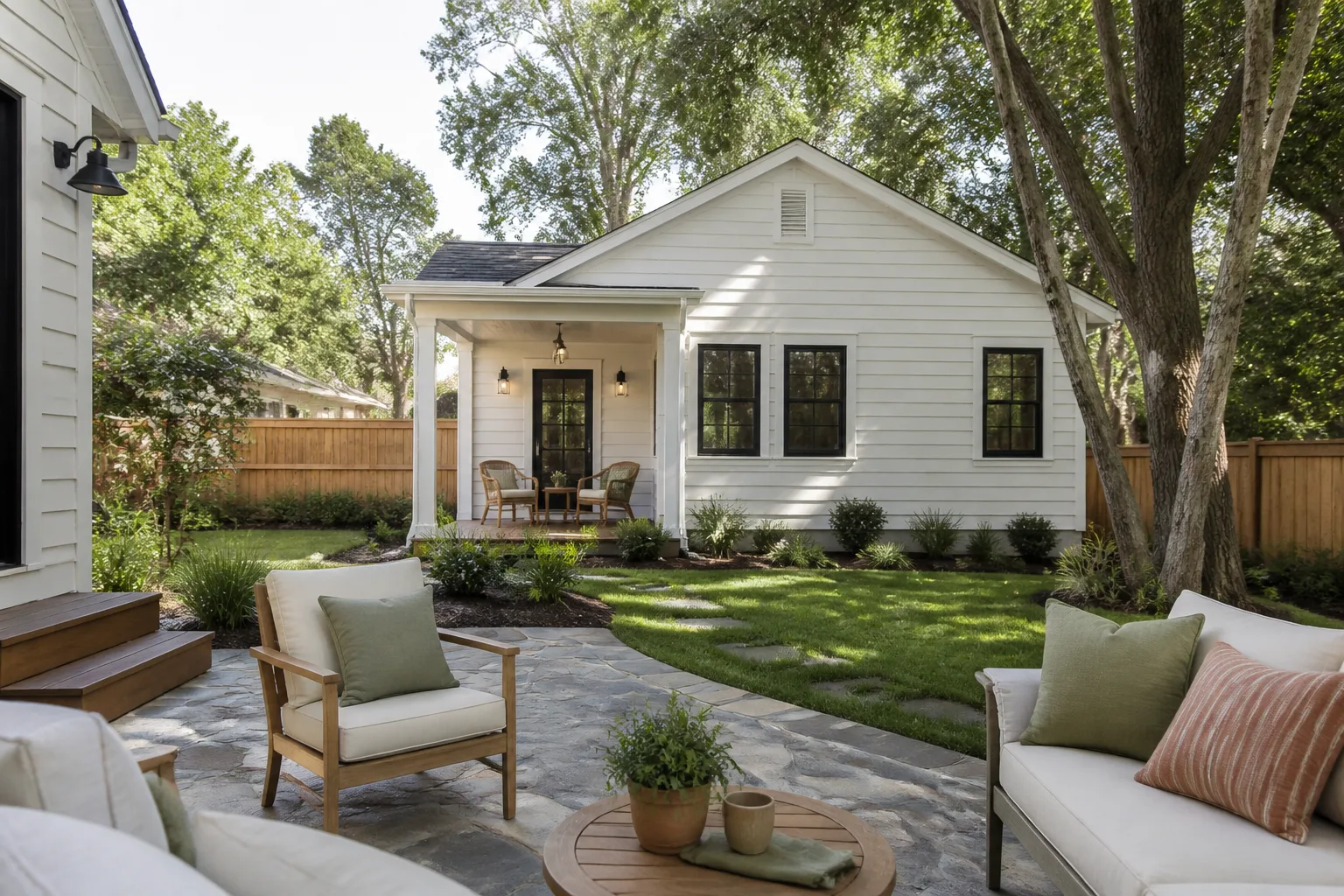
James Hardie makes several product lines, and they are not interchangeable. The two you’ll most often see on San Antonio additions and ADUs are HardiePlank lap siding (the horizontal boards, typically 5/16″ thick, available in 4″, 6″, and 8″ exposures) and HardiePanel vertical siding (4′ x 8′ or 4′ x 10′ sheets). HardieTrim boards come in smooth or woodgrain texture, and HardieSoffit is a thinner, vented or non-vented product made for undersides. If the failing part is around a window or door, you’re dealing with HardieTrim, and the failure is almost always a flashing detail, not the board itself.
One gotcha we see often: a previous contractor used HardiePlank on an ADU but installed it with the factory edge facing down and the cut edge facing up, or butted the boards tight with no 1/8″ gap at the ends. Hardie requires a gap at all joints and trim, and in San Antonio’s summer heat, the siding expands enough that tight joints buckle within two or three seasons. Another common issue on older additions is that someone used 4×8 HardiePanel with the wrong fastener pattern. Hardie specifies 6″ on-center nailing at panel edges and 12″ in the field. Missing fasteners mean panels cup and pull away from the wall within a few years. When we match an existing addition, we verify the product line and texture first. ColorPlus factory finish cannot be field-matched perfectly, so we order primed boards and paint on site to blend with what’s already there.
Styles & brands we work with







Signs Your James Hardie Home Additions & ADU Is Failing
- Swelling or softness at board ends and bottom edges. This is almost always a flashing or clearance problem. James Hardie requires a minimum 6″ clearance above grade and 2″ above roofs, decks, or paving. In San Antonio, where rain comes in short heavy bursts, water splashes up and saturates any board sitting too close to the ground. The board wicks, swells, and eventually delaminates.
- Paint peeling in horizontal bands, not random patches. Uniform peeling at a specific height usually means water is getting behind the siding at a window head, a trim joint, or a roof intersection and running down the wall cavity. Repair the flashing, not just the paint.
- Cracked or chipped HardieTrim around doors and windows. HardieTrim is durable but brittle at corners where it’s been overdriven. Nails set too deep crack the board. Once cracked, it absorbs moisture and the crack travels. In San Antonio’s freeze-thaw cycles, which do happen on the north side and in the Hill Country edges of town, those cracks widen each winter.
- Visible gaps at butt joints that open and close with the seasons. Hardie is a cement-based product, but it still moves. Joints without the specified 1/8″ gap, or joints that were sealed with caulk instead of being flashed, will open up. Caulk fails. Flashing doesn’t.
- Dark streaks or staining below trim boards and window sills. That’s water running off the siding washing dirt and trim oxidation down the wall. It’s cosmetic, but it tells you the trim isn’t shedding water away from the wall. On San Antonio’s clay-heavy soils, the dust in that runoff is alkaline and will etch the finish over time.
See the difference
 Before
 After
After Before
 After
After Before
 After
AfterReplacement Cost & What’s Included
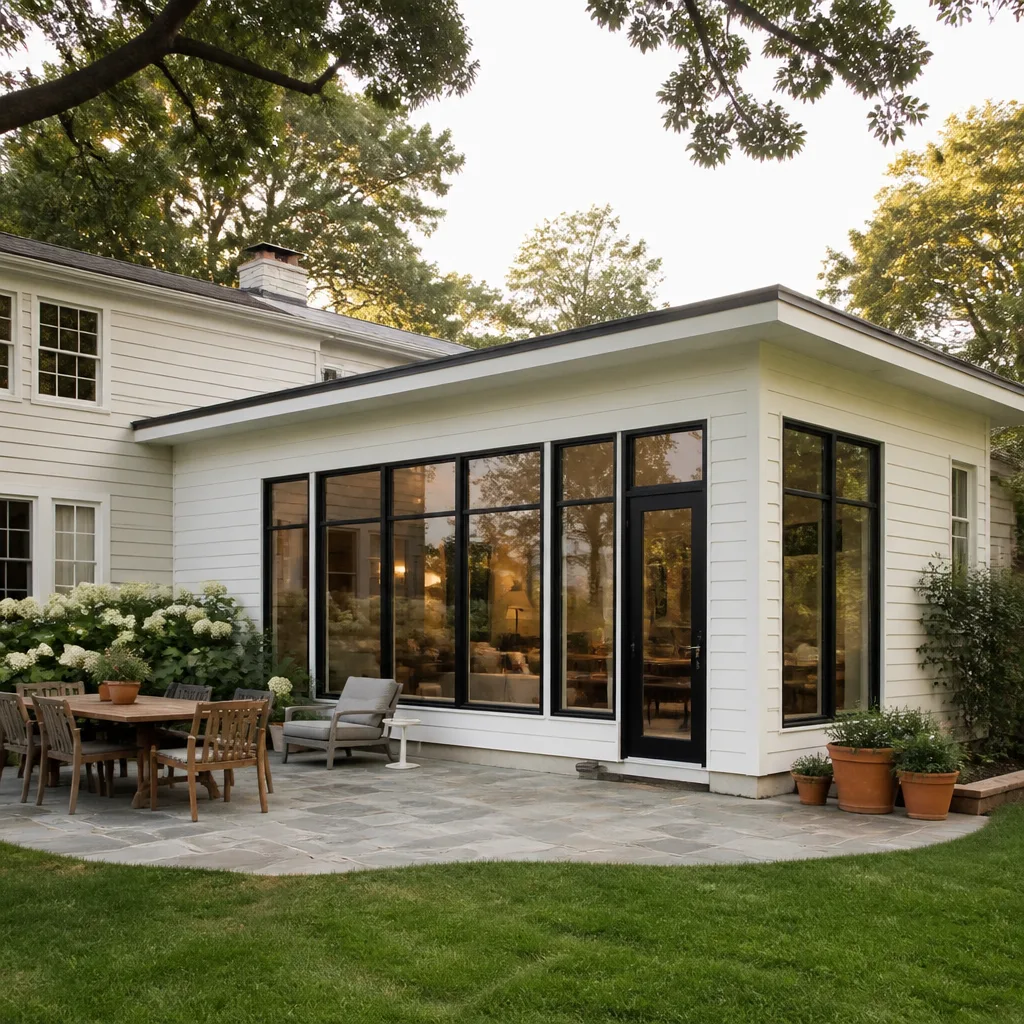
For a re-side of a typical 400 – 600 square foot addition or ADU in San Antonio, you’re generally looking at $45,000 to $85,000, which includes tear-off of the old siding, inspection and replacement of damaged sheathing, new housewrap, HardiePlank or HardiePanel installation per James Hardie spec, HardieTrim, caulking, priming, and two coats of exterior paint. Add a full new addition from foundation through finish, and the range runs $85,000 to $130,000. A full new ADU with plumbing, electrical, and drywall is a different animal, but we will tell you honestly where it lands after we see the lot and the foundation options.
What drives the price is what’s behind the siding. If we open the wall and find rotted studs or termite damage, which is common on older San Antonio additions built before current flashing standards, the repair work adds up. We write every scope down before we start. You sign that price, and that’s the price. No change orders added after demo day. The 365-Day Done Right Promise covers the finished work, and the James Hardie product warranty travels with the materials. We also give you the cleanup photo before the crew leaves, because a re-side produces a lot of debris and you should see what we hauled off.
DIY or Call Us?
You can safely inspect your Hardie siding for clearance issues, missing fasteners, and failed caulk joints without touching a tool. Take photos. Measure the gap above grade. Look at the flashing above windows. That tells you what’s wrong, and it helps us price the job accurately over the phone.
The repair itself is not a weekend project. Cutting fiber cement produces silica dust, which requires a proper respirator and dust control. Getting the flashing details right on a San Antonio addition, where wind-driven rain and hail are a factor, takes practice. We have seen DIY Hardie repairs fail within a year because the homeowner used the wrong blade, the wrong nails, or skipped the flashing. And the work is on a ladder around windows and rooflines. If you want us to take a look, we will come to your home, walk the addition with you, and write down exactly what we would do and what it costs. Call (432) 233-0976 and a live person answers, any hour.
FAQs
James Hardie siding carries a 30-year non-prorated limited warranty on the product, but in San Antonio’s climate the realistic life of the paint finish is 10 to 15 years before a repaint is needed. The siding itself should last the life of the structure if installed to spec. Most failures we see are installation failures, not product failures. Call (432) 233-0976 if you want us to inspect yours and tell you which one you’re dealing with.
If the failure is isolated to a few boards and we can match the product line and texture, a section repair is possible. We typically replace the damaged boards, re-flash the joints properly, and repaint to blend. If the failure is widespread, or if the original installation skipped multiple flashing details, a full re-side is the honest answer. We will show you photos of what we found before we touch anything.
A section repair on an existing addition usually takes two to three days, including paint. A full re-side of a 400 – 600 square foot ADU takes a week to ten days, weather permitting. New additions run eight to fourteen weeks depending on foundation, plumbing, and electrical scope. We respect quiet hours while we work, and we keep the site clean at the end of every day.
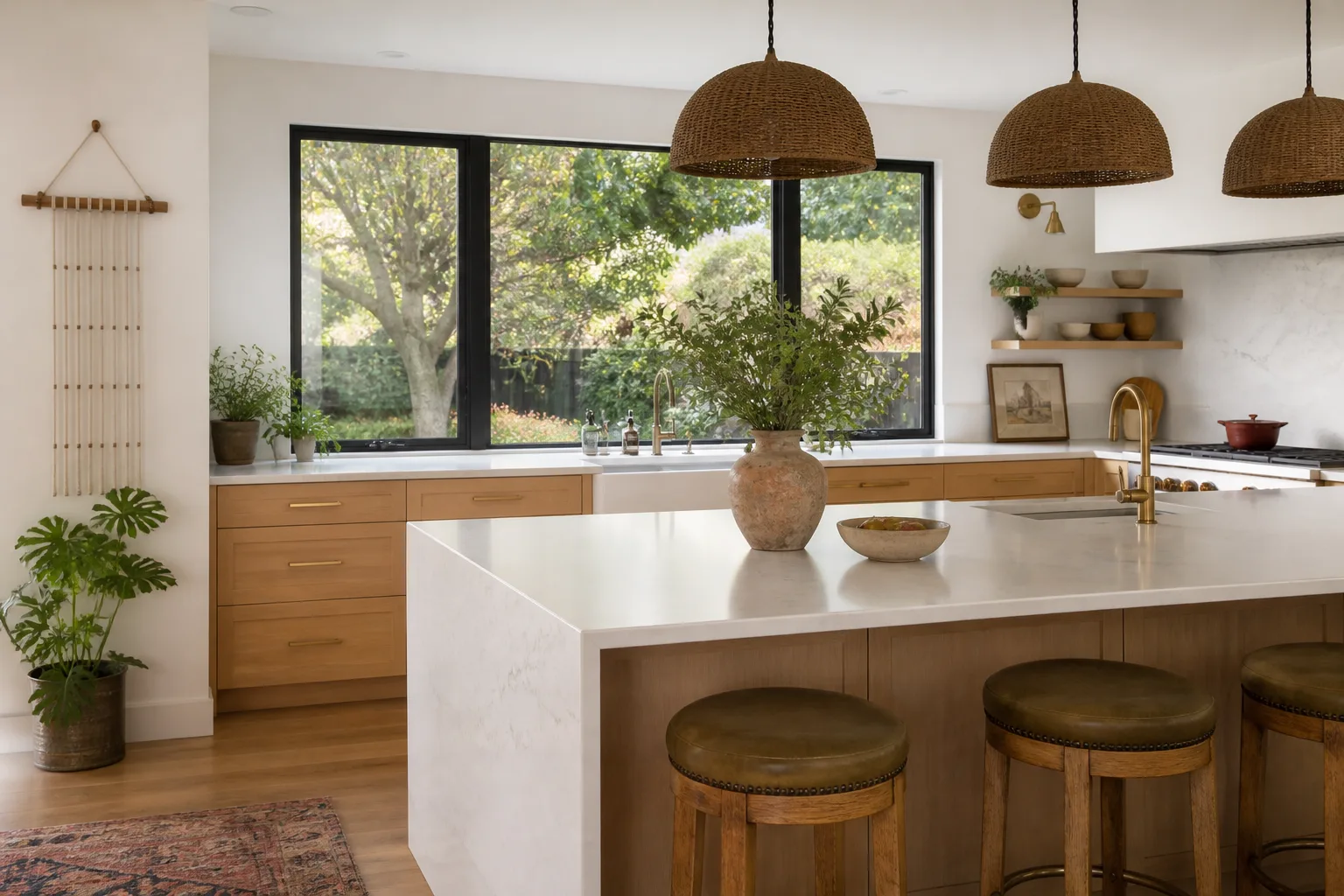
We stock HardiePlank in the most common San Antonio exposures, HardiePanel, HardieTrim in smooth and woodgrain, and HardieSoffit in vented and non-vented. We also stock the correct flashing, housewrap, and corrosion-resistant nails Hardie requires. If your addition needs a less common profile or a specific ColorPlus finish, we order it and tell you the lead time before you sign anything. We also work with other named-brand materials on addition projects, including KraftMaid cabinets, Cambria countertops, and Silestone surfaces.
Written by Graham Stein, Owner, Elmstead Remodeling San Antonio at Elmstead Remodeling San Antonio, serving San Antonio and nearby areas.


