
Free written scope consultation - allowances, timeline, and change-order rules on paper before a single trade is scheduled
Dvele Home Additions & ADU: The San Antonio Owner’s Guide
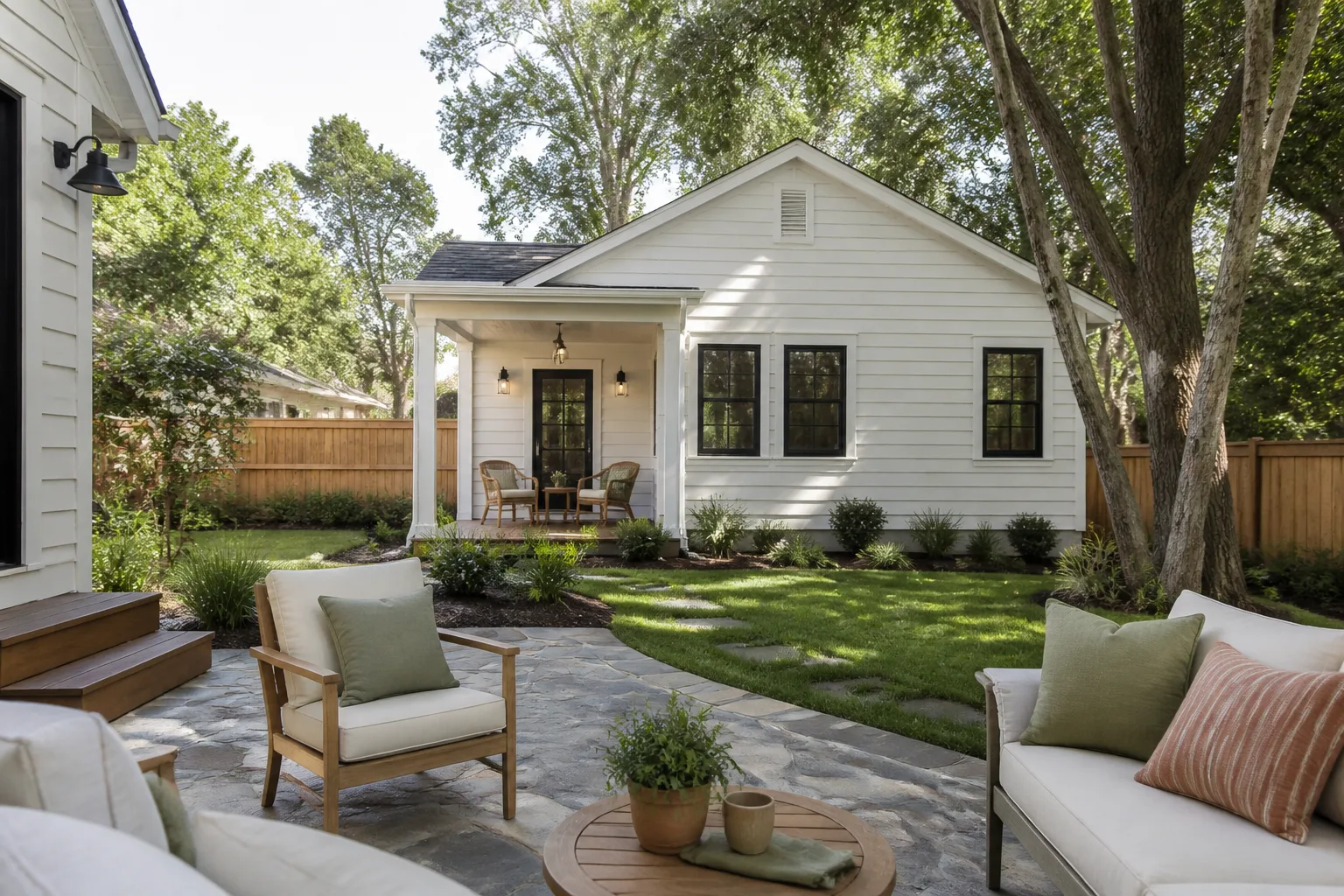
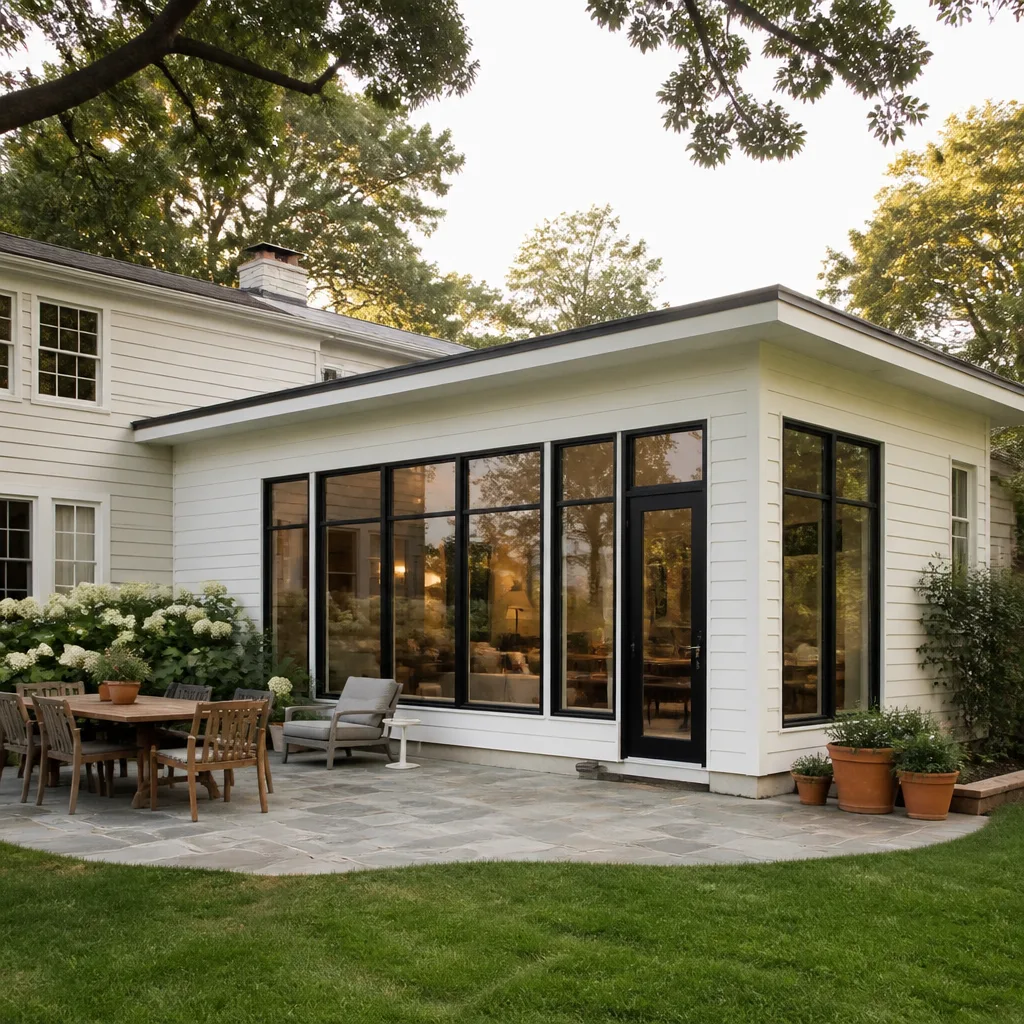
If you own a Dvele home in San Antonio and are planning an addition or accessory dwelling unit, we install and finish Dvele-compatible home additions and ADUs with a written price before any work starts, typically $45,000 – $130,000 for a home addition and $90,000 – $220,000 for a full ADU. The way most owners reach us: they’ve lived in their Dvele for a few years, the family has grown, and they need more room without leaving the house they already trust. What they want is a builder who understands Dvele’s panelized framing, its mechanical layout, and how an addition ties into the existing envelope without compromising the home’s air sealing or energy performance.
We’re an independent San Antonio remodeling contractor, not affiliated with Dvele, but our crews have worked around Dvele-built homes long enough to know where the chases run, how the wall panels are keyed, and why adding square footage to one of these homes takes more care than slapping on a stick-framed bump-out. This page is the resource we’d want to land on if we owned a Dvele and needed straight answers about compatibility, cost, and what actually happens on site.
Key Takeaways
- Dvele home additions in San Antonio run $45,000 – $130,000; ADUs run $90,000 – $220,000, with a written price before demo day.
- Dvele’s panelized SIPs-style walls mean field modifications to existing panels are not straightforward; additions must be planned at the connection points.
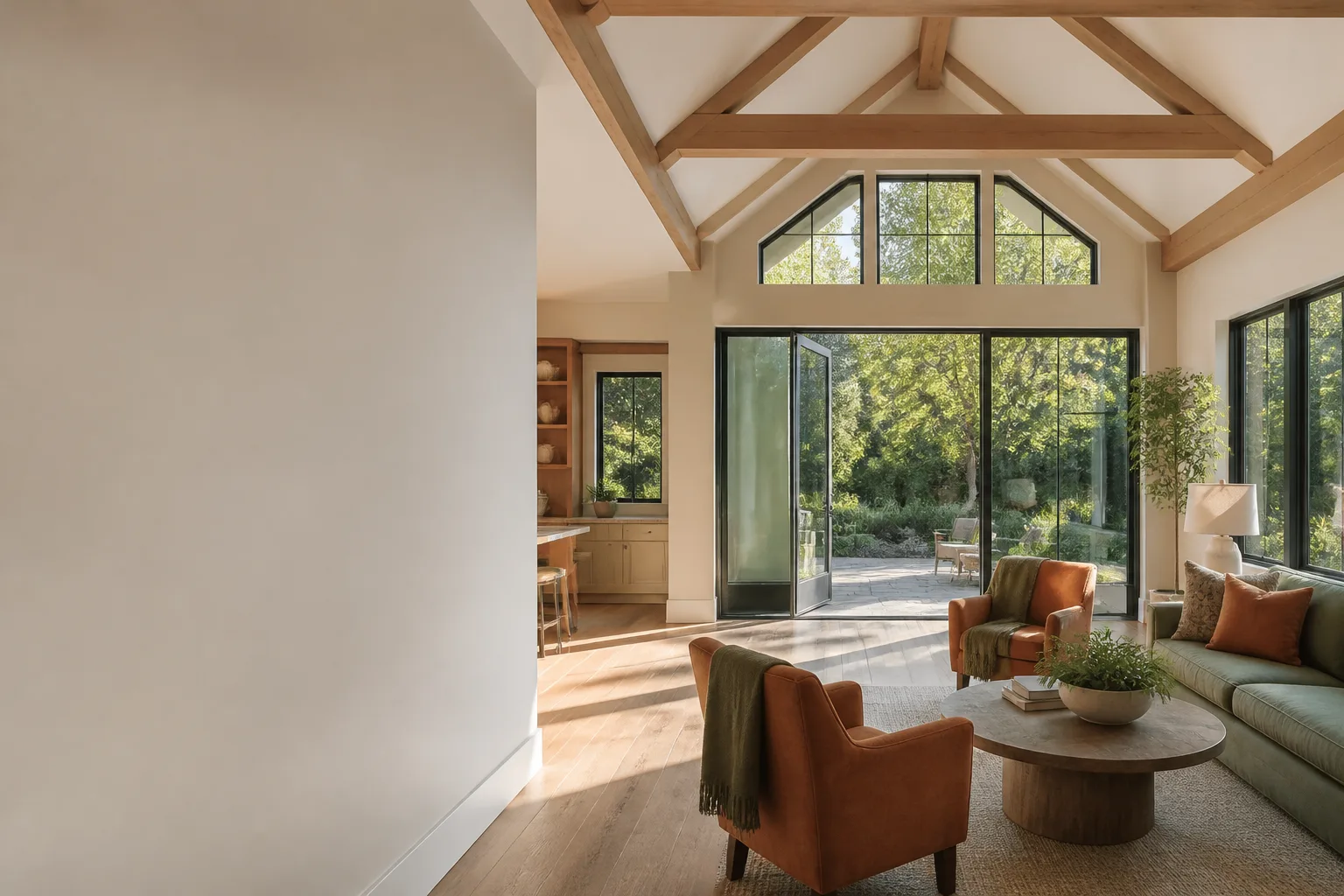
- We match Dvele’s exterior cladding, window specs, and interior finishes so the new space reads as original, not appended.
- The 365-Day Done Right Promise applies to every Dvele addition or ADU we complete in San Antonio.
- Call (432) 233-0976 and a live person answers, day or night.
Which Dvele Models This Applies To
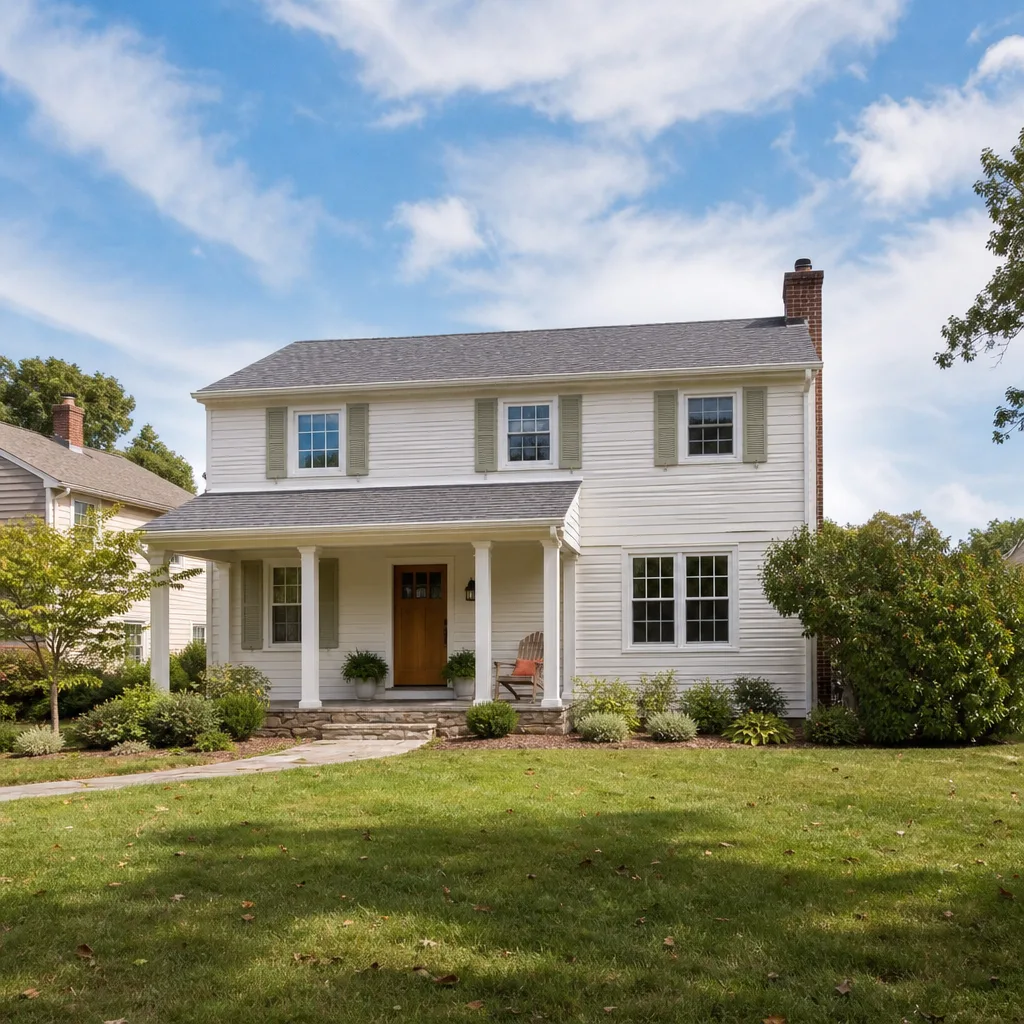
Dvele homes in San Antonio fall largely into a few series: single-story and two-story models built on their steel-framed, panelized platform, with variations in wall thickness, roof assembly, and window packages depending on the year and specific development. The thing to know before you plan an addition is that Dvele’s exterior walls are not conventional 2x stick framing. They arrive as factory-built panels with integrated sheathing, vapor control, and conduit chases, which means you cannot simply cut a new doorway through an exterior wall and frame off it the way you would on a tract home. The connection detail matters.
We identify your Dvele’s exact panel layout from the as-built drawings or by opening a small inspection point at the proposed tie-in location before we ever price the work. This is not busywork. It tells us whether the existing panel is load-bearing at that point, where the steel studs land, and how the new roofline will die into the existing wall without creating a water trap. For Dvele owners, the OEM-vs-aftermarket decision is less about parts than about method: you want a contractor who has tied into these panels before, not one who is learning on your roofline. We use Dvele-compatible materials where the system calls for them: matching cladding from James Hardie, window packages sized to Dvele’s rough openings, and trim profiles that align with the existing reveals. Where we stock parts from other brands you may know, like KraftMaid, Cambria, and Silestone, those are for the interior finish work: cabinets, countertops, and surfaces.
Styles & brands we work with







Signs Your Dvele Home Additions & ADU Is Failing
- Water staining at the tie-in seam. This is the most common failure we see on additions to panelized homes. The seam where new framing meets the original panel wasn’t flashed correctly, and San Antonio’s storm cycles drive water in through the gap. The fix means opening the junction, re-flashing, and often replacing a section of sheathing.
- Doors or windows in the new space that drift out of square. If the addition was framed on a different foundation system than the original, differential settling can rack the openings. In San Antonio’s expansive clay soils, this shows up within the first two or three wet-dry cycles. We see it most on additions built on shallow piers next to a slab.
- Uneven cooling and heating in the added space. Dvele homes are tightly air-sealed with a designed mechanical system. If an addition was not tied into the home’s ERV or HVAC zoning correctly, that room runs six to eight degrees off from the rest of the house. The symptom is a thermostat that never quite satisfies in summer.
- Gaps opening at interior trim intersections. When the addition settles or the panel connection moves, caulk lines crack and baseboard corners separate. It looks minor, but it’s often the first visible sign of a deeper connection issue between the original panel and the new framing.
- Roof valleys at the new connection holding water after rain. Valleys where the new roof leans against an existing wall or roof plane are the weak point. If the cricket or valley flashing was undersized or the slope is too shallow for San Antonio’s downpours, water ponds, eventually finding its way inside.
See the difference
 Before
 After
After Before
 After
After Before
 After
AfterReplacement Cost & What’s Included
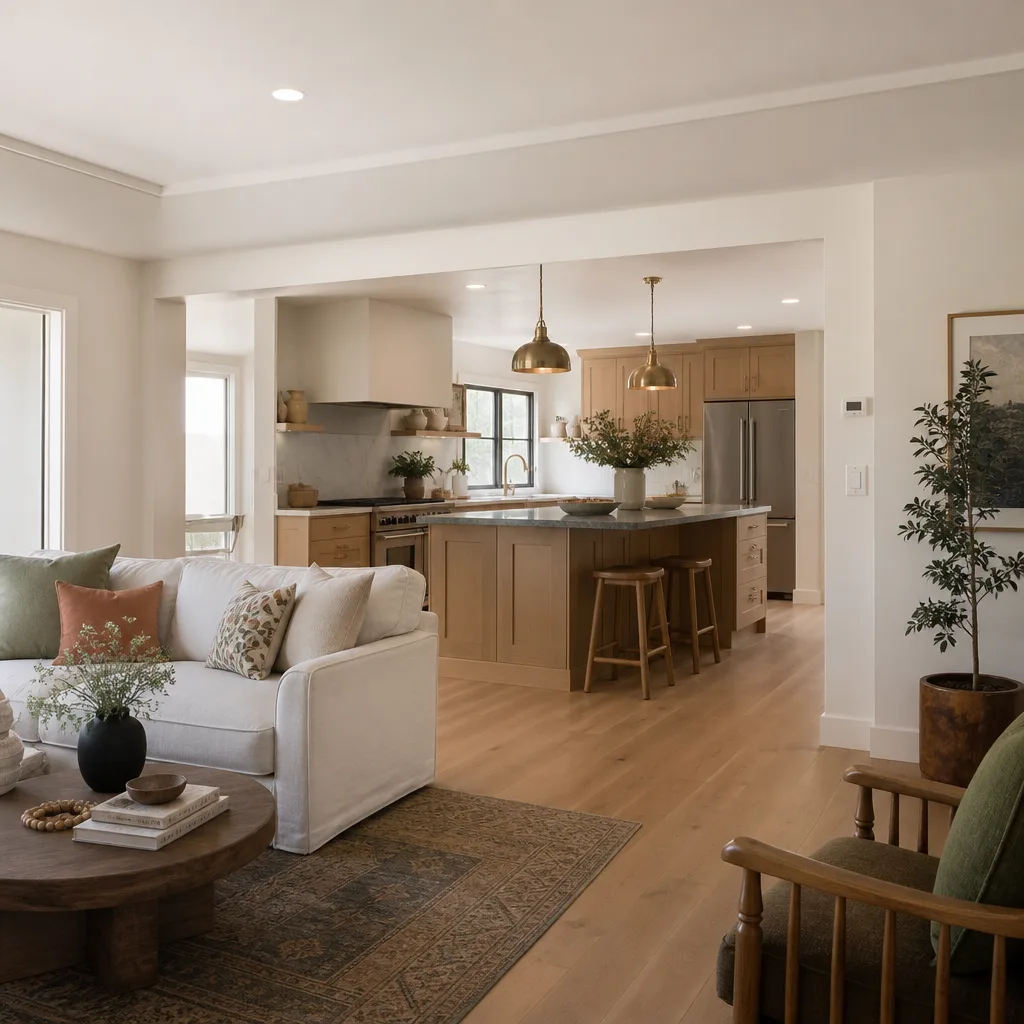
In San Antonio, a Dvele home addition runs $45,000 – $130,000 depending on square footage, whether you’re adding a bedroom suite versus a multi-room living wing, and how much utility rerouting the tie-in requires. A full ADU, from foundation to finishes, lands between $90,000 and $220,000. The spread is driven by site conditions: soil bearing, utility trenching from the main house, whether the ADU needs a separate panel or can feed from the existing service, and the finish level you choose.
Every price we give is written. It includes parts, labor, permits, the dumpster, and the clean-up. What it does not include are surprise change orders: you sign a number, and that number does not move unless you change the scope. Here is what a typical home addition in San Antonio looks like by line item:
- Foundation and slab work: $8,000 – $20,000
- Framing and panel tie-in labor: $12,000 – $30,000
- Roof structure and flashing at connection: $7,000 – $18,000
- Exterior cladding and windows: $9,000 – $25,000
- Electrical, plumbing rough-in and trim: $6,000 – $22,000
- Insulation, drywall, paint, trim, flooring: $8,000 – $25,000
- Site clean-up, permit close-out, final walkthrough photo: included
Every Dvele addition we complete carries the 365-Day Done Right Promise. If something on that addition isn’t right within a year, we make it right. It’s stamped on your scope of work, and Graham Stein is the one who signs it.
DIY or Call Us?
There is a safe do-it-yourself portion to a Dvele addition, but it is small: you can measure rooms, look at panel seams on the inside of exterior walls, and note where the ERV supply vents land. That is about it. The actual addition work on a Dvele home is not a weekend project. Cutting into a factory panel without knowing where the steel studs bear, how the conduit is routed, or whether that wall is part of the home’s shear resistance is how you turn a $60,000 addition into a $140,000 repair. We say that plainly because we’ve been called in after it happened.
Dvele’s air sealing and moisture control are tuned systems. Open a panel wrong, and you’ve introduced a condensation point inside a wall assembly that never had one. Re-flash a roof tie-in wrong, and San Antonio’s May storms will find it. If you want someone to walk the addition with you, measure the connection points, and write down the price before anything moves, call us at (432) 233-0976. Write it down, price it once, do it right.
FAQs
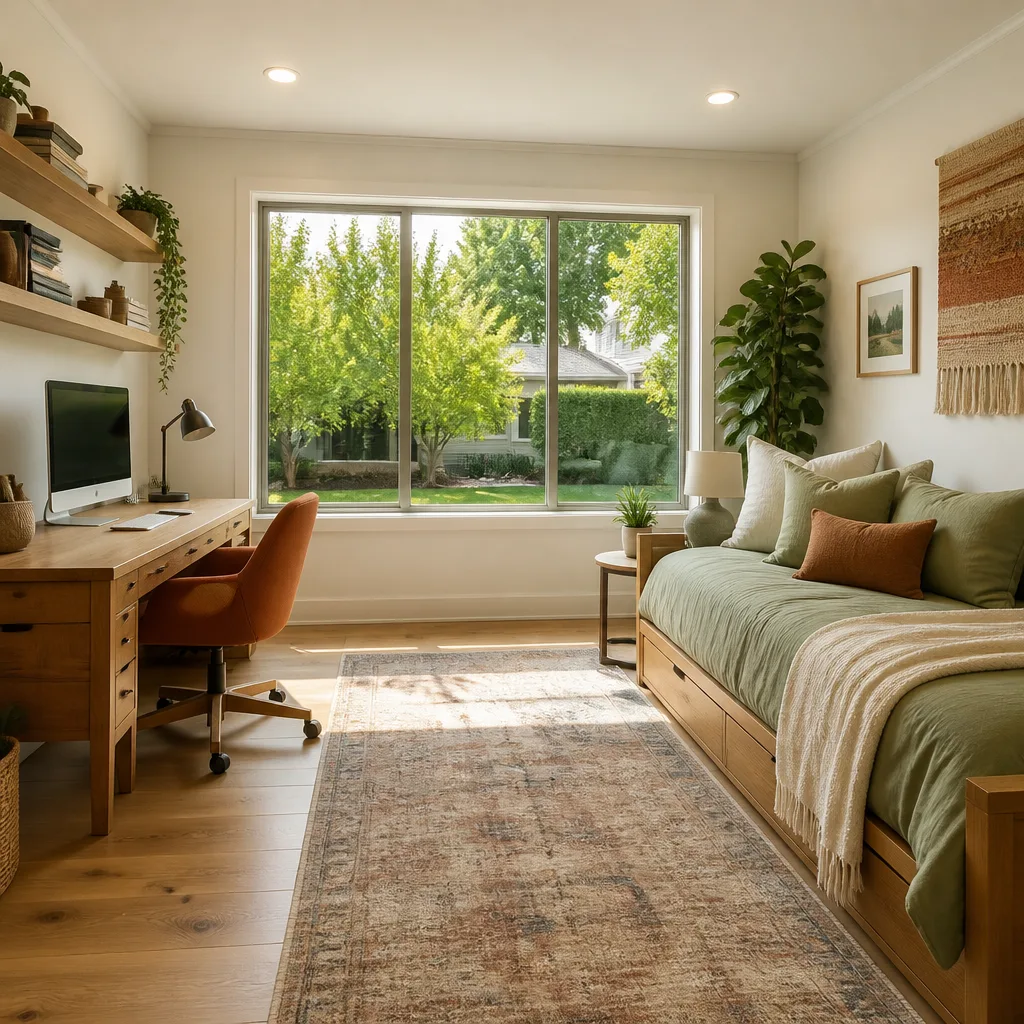
A home addition typically takes 10 to 16 weeks from first inspection to final walkthrough, and a full ADU runs 5 to 8 months, with San Antonio’s permit timing and weather doing most of the stretching. We include a schedule with your written price, and we tell you up front which phases will be noisy, which will be quiet, and when the crew will be at its busiest. Call (432) 233-0976 and we’ll lay out a realistic timeline for your specific Dvele model and site.
Often yes, if the framing and panel connection are sound and the issue is flashing, a roofline valley, or interior trim separation. We repair the defect, re-flash the seam, and match the finishes so the repair doesn’t announce itself. If the structure has settled beyond tolerance, we’ll tell you that too, with photos so you can see what we’re seeing. Call (432) 233-0976 for a free estimate on the repair.
We stock the connection materials we use most: flashing profiles, air sealing products, and trim stock that match Dvele’s common reveals, plus interior finish materials from KraftMaid, Cambria, and Silestone. Specific Dvele panel components are ordered from their supply chain, and we handle that ordering, lead time, and delivery scheduling as part of the job. Call (432) 233-0976 and we’ll tell you what’s in stock and what’s on order before you commit to anything.
No. The price Graham Stein writes down before the first tool leaves the truck is the price, and it only changes if you change the scope, which we document in writing before any added work proceeds. Our crews also follow the Cedarwell Care Promise on every project: drop cloths on the floors, shoe covers at the door, a photo of the clean-up before we leave, and quiet tools during your family’s rest hours where possible. Call (432) 233-0976 for a free written estimate.
Written by Graham Stein, Owner, Elmstead Remodeling San Antonio at Elmstead Remodeling San Antonio, serving San Antonio and nearby areas.


