
Free written scope consultation - allowances, timeline, and change-order rules on paper before a single trade is scheduled
CWS Home Additions & ADU: The San Antonio Owner’s Guide
We install and build CWS-compatible home additions and ADUs across San Antonio, with most full additions landing between $45,000 and $130,000 depending on square footage, foundation work, and finish level. If your existing CWS addition has a failing element, whether it’s a settling corner, a roof tie-in that’s pulling away, or an ADU that was never properly flashed at the connection point, we can assess it and give you a written price before any work starts.
Most San Antonio homeowners discover a failing CWS addition during heavy rain or the first real heat wave of summer. Water stains appear at the seam where the addition meets the original house, a door that closed fine in February suddenly sticks in August, or the mini-split in the ADU can’t hold temperature. These are connection and transition failures, and they’re the most common repairs we walk into in neighborhoods like Alamo Heights, Terrell Hills, and the King William Historic District, where older homes meet newer additions and the original framing has different movement patterns than the new work.
Elmstead Remodeling San Antonio is an independent contractor and is not affiliated with CWS. But we work on CWS-built additions and ADUs regularly, and we know where these structures tend to fail first in Texas heat and expansive clay soil.
Which CWS Models This Applies To
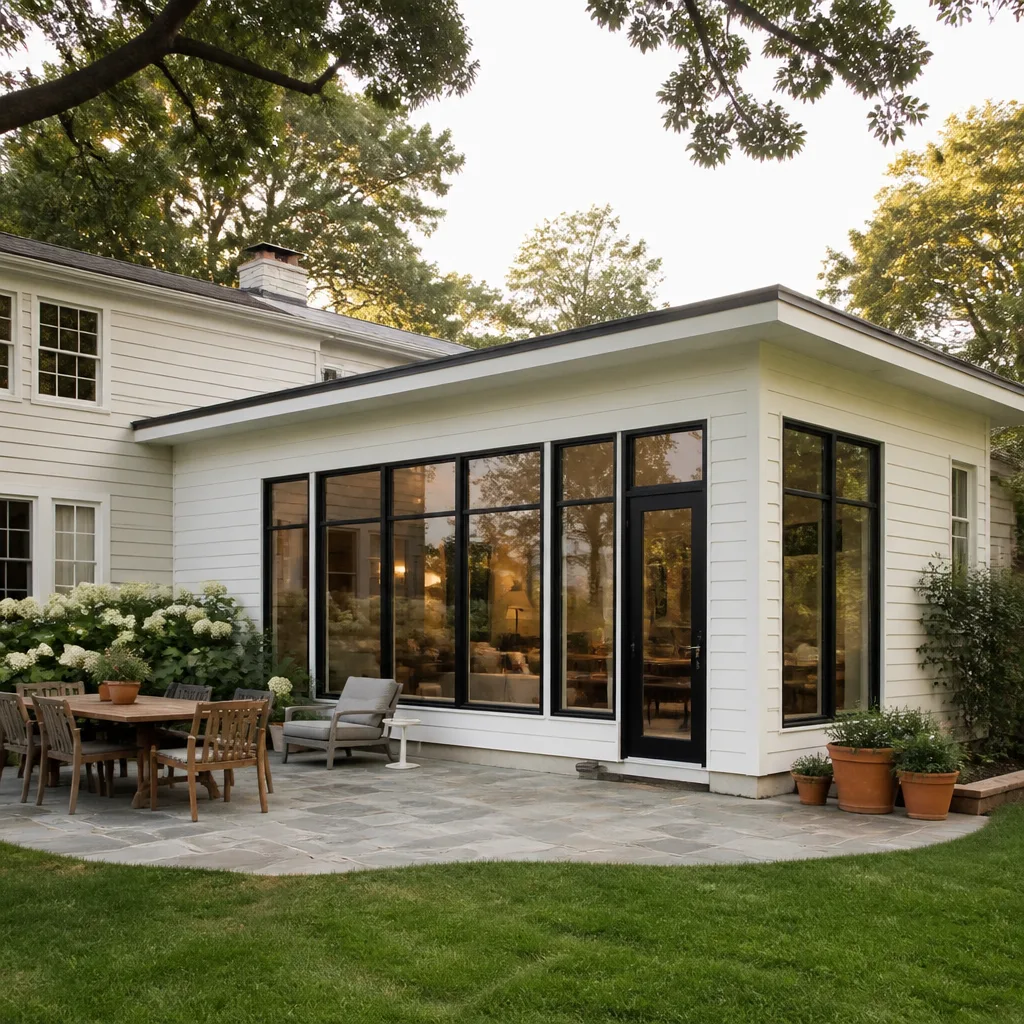
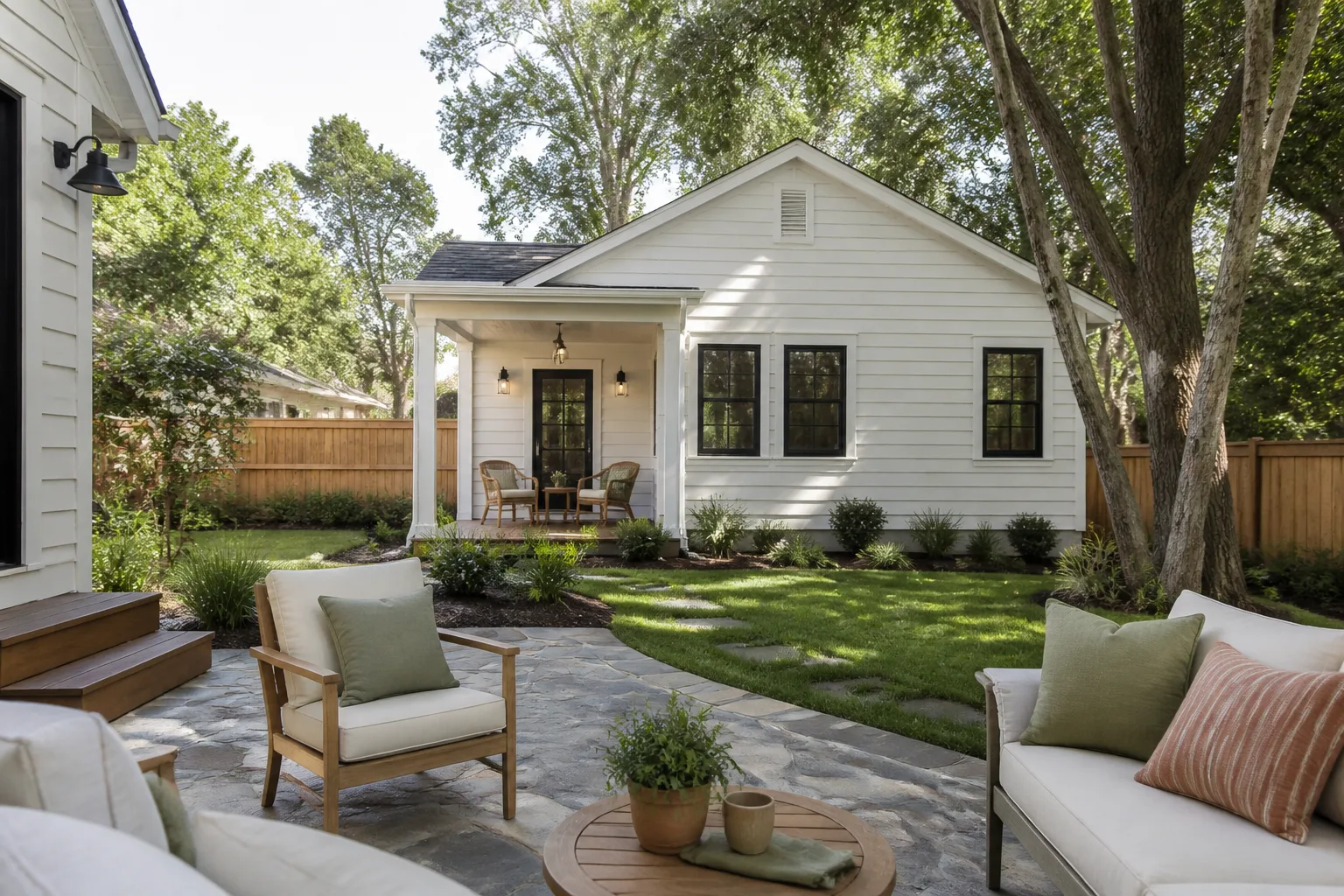
CWS home additions and ADUs in San Antonio typically fall into three general configurations: attached room additions tied into an existing hip or gable roofline, garage conversions with a separate electrical subpanel, and freestanding ADUs on pier-and-beam or slab foundations. Each one has a different failure profile, and the fix is never the same across all three.
The most important identifier is the roof tie-in. Attached CWS additions built in the last 15 years usually use a step-flashing transition with a metal valley, while older ones may have a simple shingle-over-shingle lap that fails earlier. Look for a metal transition strip at the seam; if you don’t see one, your addition has the older detail and will need more frequent inspection. On garage conversions, the tell is the subpanel: most CWS conversions in San Antonio run a 100-amp subpanel off the main service, and the breakers inside should be labeled with the date of the conversion. If the label is worn off, the wiring likely predates current city code for ADU electrical, which changed meaningfully when San Antonio adopted the 2020 NEC updates for accessory dwelling units.
For freestanding ADUs, the foundation matters most. Pier-and-beam CWS ADUs shift noticeably more than slab-on-grade units in San Antonio’s expansive clay, especially after the drought-wet cycles we get every few years. We check the crawlspace first because that’s where the truth lives.
As for OEM versus aftermarket: CWS doesn’t sell a branded “part” for an addition the way a manufacturer sells a replacement motor. What you’re actually replacing is the work itself: a failed window, a poorly flashed transition, a settling pier, a delaminating countertop from the original build. We stock common materials from KraftMaid for cabinets, Cambria and Silestone for countertops, and matching trim profiles where available. When a brand match matters, the original spec usually calls for one of those manufacturers anyway, and we can match it.
Styles & brands we work with







Signs Your CWS Home Additions & ADU Is Failing
- Water staining at the ceiling seam where the addition meets the original house. This is almost always a failed step-flashing transition or a clogged valley. The water gets in at the seam and travels along the framing before showing up 3 feet inside the ceiling. The stain you see is rarely where the leak actually is.
- A door or window in the addition that sticks in summer and opens fine in winter. San Antonio’s clay soil expands when wet and shrinks when dry. If the addition’s foundation is moving independently from the main structure, the door frame tells you first. This is common on pier-and-beam ADUs and additions poured without rebar ties into the original slab.
- Cracks that open and close at the drywall corners inside the addition. Hairline cracks that appear in the same corner every summer are movement cracks, not settlement. A gap wider than 1/8 inch at the corner bead, or cracks running diagonally from door corners, mean the framing or foundation is actively moving. That’s worth a professional look.
- The mini-split or window unit in the ADU runs constantly and the room still feels warm by 3 p.m. Most CWS ADUs in San Antonio were built with either a mini-split or through-wall unit sized for a mild summer, not the 100-degree stretches we’ve had recently. Undersized cooling is either an insulation gap in the ceiling or an undersized system. Both are fixable.
- You can see daylight under the exterior door, or the door rubs the threshold when it opens. This is a settling signal on slab ADUs or a shifting pier on pier-and-beam units. It’s also the point where roaches and centipedes get in during San Antonio’s wet season, which no family wants to discover.
See the difference
 Before
 After
After Before
 After
After Before
 After
AfterReplacement Cost & What’s Included
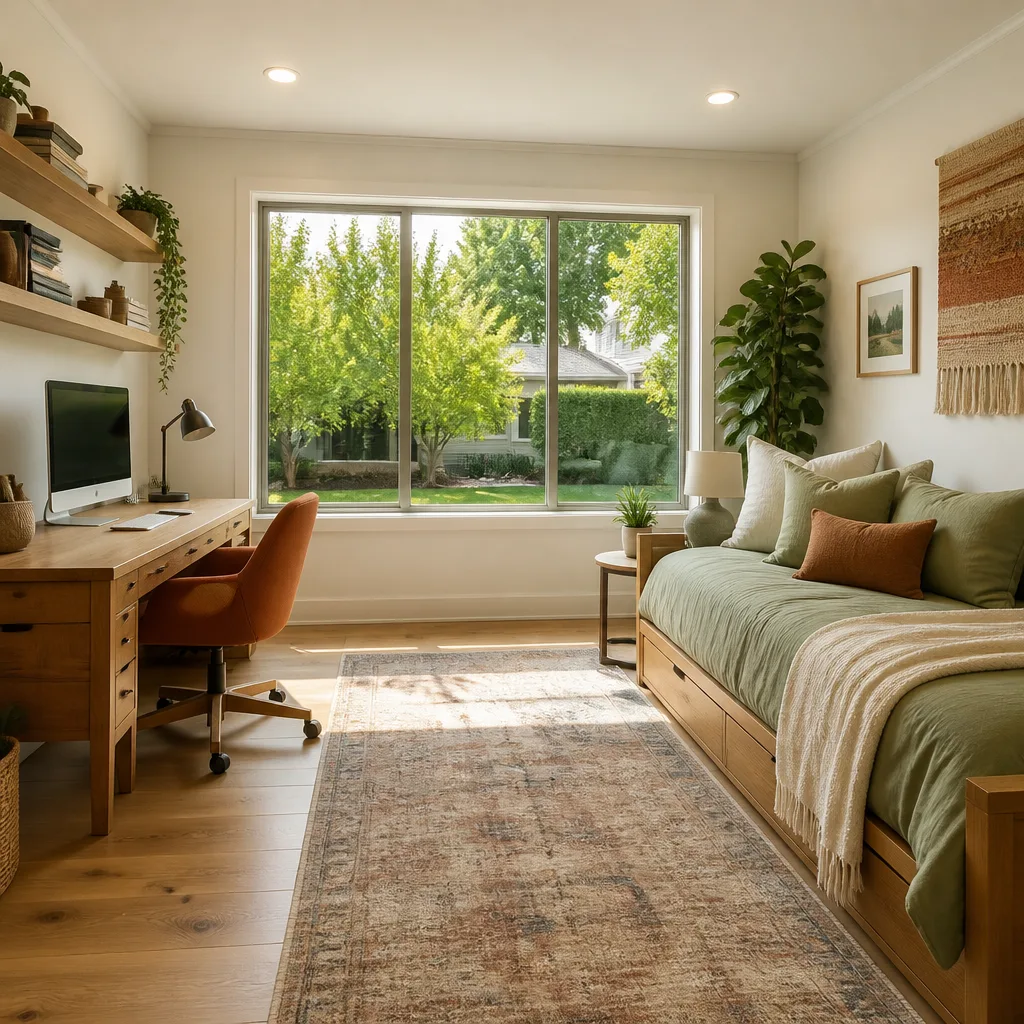
In San Antonio, a full CWS home addition runs $45,000 to $130,000 depending on square footage, whether it’s attached or freestanding, the foundation type, and the level of interior finish. A garage conversion into living space lands between $30,000 and $80,000. An ADU built from the ground up typically falls between $90,000 and $220,000. If you’re repairing a failing transition, flashing, or foundation pier rather than building new, most repairs in the San Antonio market run from a few hundred dollars for a reflash up to several thousand for foundation-level correction.
Every Elmstead Remodeling San Antonio estimate includes the same thing: a written line-item price before any work starts, the named materials in the quote (down to the cabinet line and countertop color), and the labor to do it right the first time. We don’t add line items after demo day. If we open a wall and find rotted framing behind a failed CWS transition, we show you, tell you what it costs, and get your sign-off before we touch it. The 365-Day Done Right Promise covers the completed work: if it’s not done right, we make it right.
DIY or Call Us?
You can safely check a few things yourself. Look at the transition flashing from a ladder if you’re comfortable on one: missing shingle tabs, lifted flashing, or a valley full of oak leaves are all things you can see and photograph. You can also watch your doors through a full season cycle, mark cracks with a pencil and date, and check your ADU’s crawlspace for standing water after a heavy rain. That’s useful information to bring to a contractor.
What we don’t recommend doing yourself: climbing onto a roof to reflash a valley, jacking up a settling pier, or pulling drywall to trace a water stain. The roof work is genuinely dangerous, and the foundation work requires knowing what the structure is supposed to look like underneath. Graham Stein has spent decades framing and fixing exactly these connection points, and he writes every scope of work down before a single tool leaves the truck. Write it down, price it once, do it right. Call (432) 233-0976 and we’ll come look at what’s happening, then hand you a written price. The estimate is free.
FAQs
A properly built CWS addition in San Antonio should last 50 to 80 years for the structure, with the exterior finishes needing replacement on a shorter cycle: shingles every 18 to 25 years, siding and paint every 10 to 15, and caulking and flashing every 5 to 7 years given our UV exposure and temperature swings. The failure point is almost always the transition where the addition meets the original house, not the addition itself.
Yes, in most cases the fix is a repair, not a rebuild. Failed flashing gets replaced, a settling pier gets shimmed or re-poured, a sticking door gets rehung after the framing is corrected, and an undersized mini-split gets swapped for a properly sized unit. Full teardown is rare and usually only happens when long-term water intrusion has rotted enough framing that the repair cost approaches replacement. Call (432) 233-0976 and we’ll tell you which situation you have.
Flashing and transition repairs take one to two days on site. Foundation correction on a pier-and-beam ADU takes three to five days, including time for any concrete to cure. A full garage conversion runs four to eight weeks, and a ground-up ADU typically takes four to six months from permit to final walkthrough. We’ll give you a start date and a completion window in writing before work begins.
Our trucks carry the fasteners, flashing profiles, caulks, and shims that cover about 80 percent of CWS transition and settling repairs in San Antonio. For brand-specific materials, like a matching Cabinet door from KraftMaid or a slab match from Cambria or Silestone, we order from our regular suppliers and can usually have the material on site within a week. If we can’t match an original material exactly, we tell you before we order anything and lay out your options with real prices.
Written by Graham Stein, Owner, Elmstead Remodeling San Antonio at Elmstead Remodeling San Antonio, serving San Antonio and nearby areas.


