



Free written scope consultation - allowances, timeline, and change-order rules on paper before a single trade is scheduled
CGI Home Additions & ADU: The San Antonio Owner’s Guide
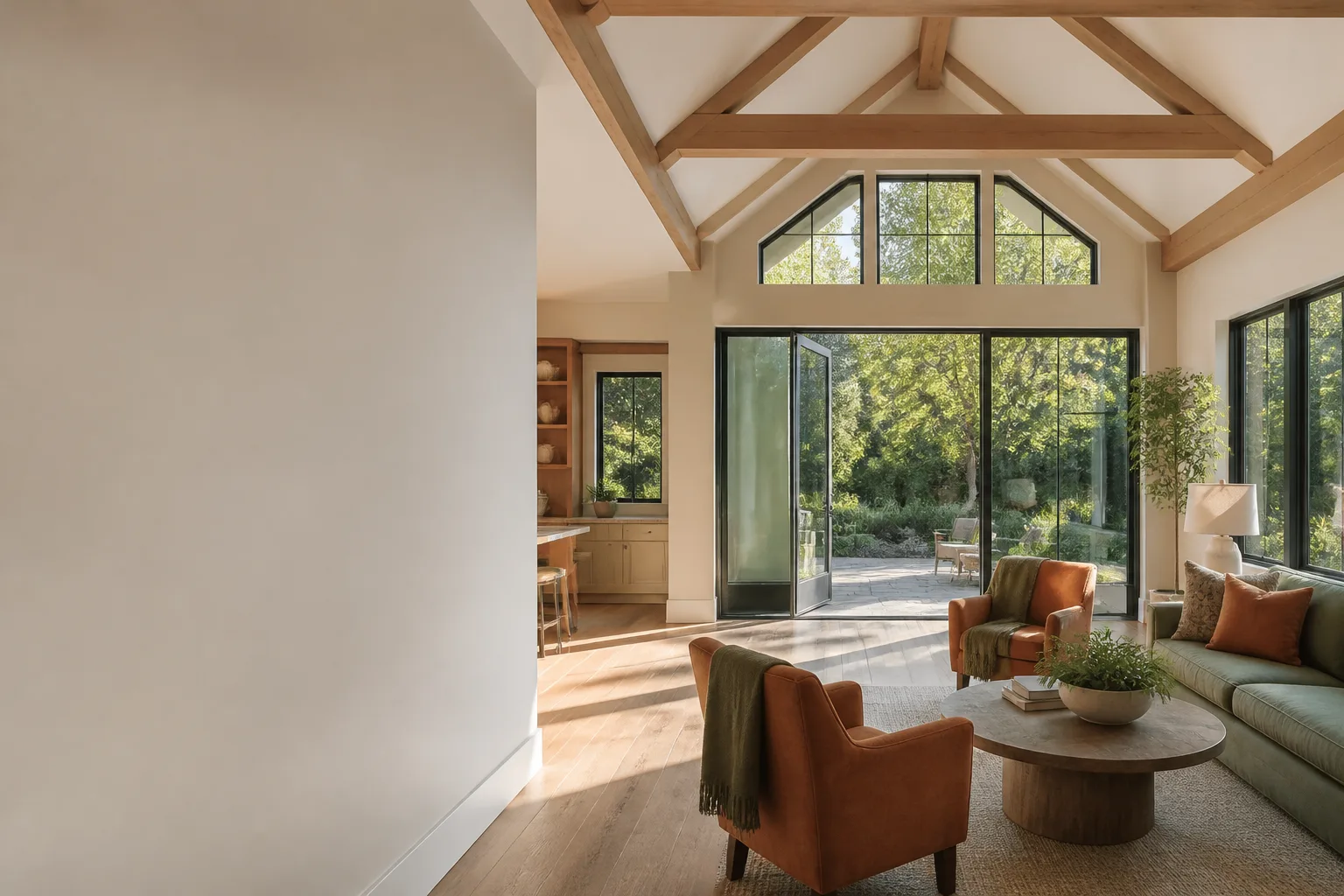
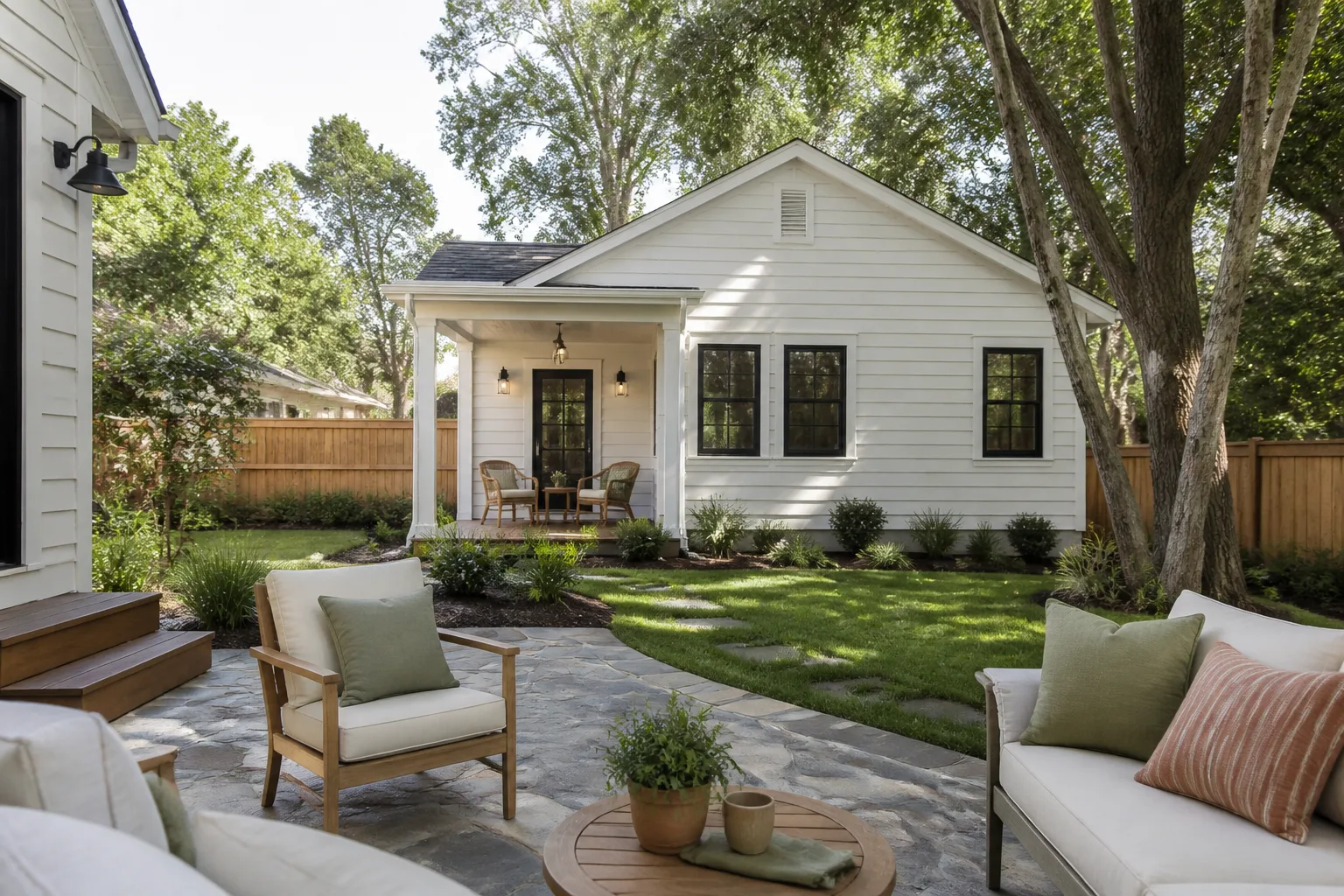
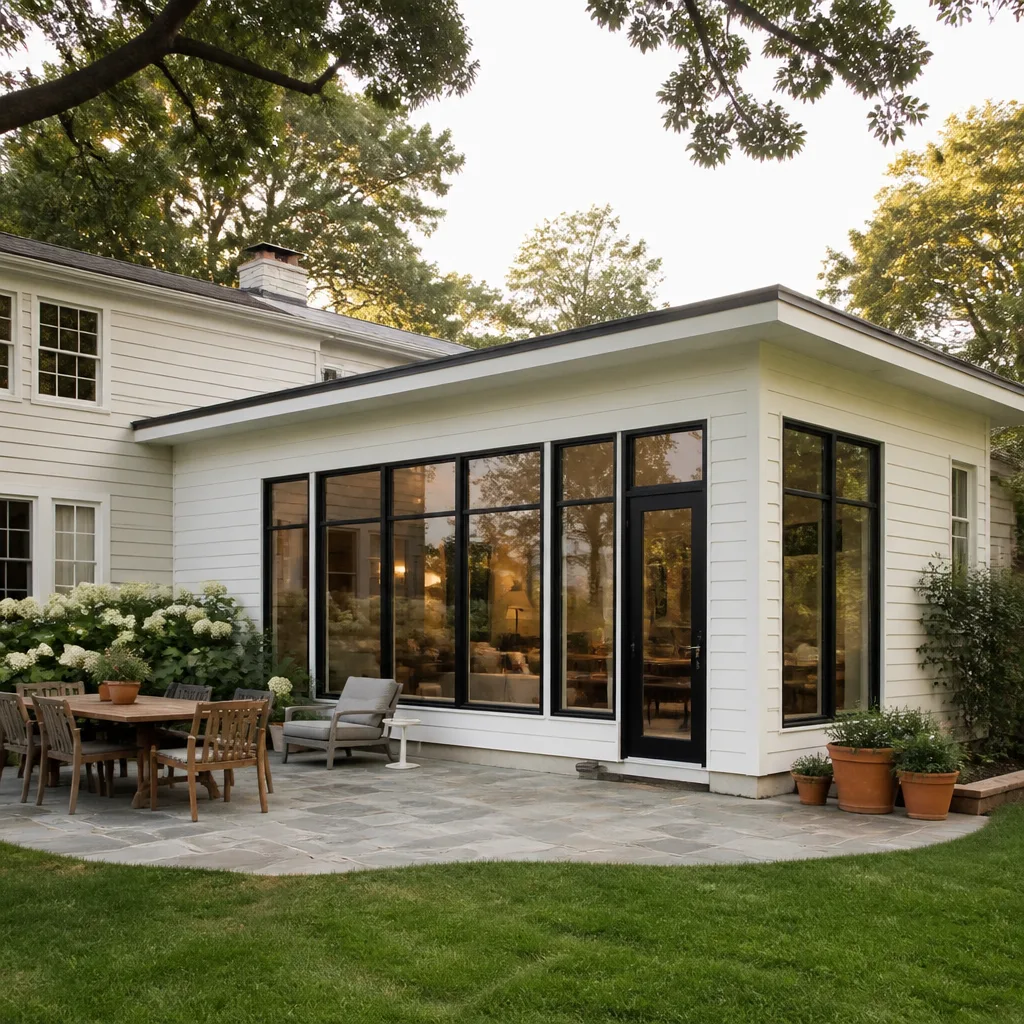
Home additions and ADUs built around CGI window and door systems in San Antonio typically run $45,000 – $130,000 installed, depending on square footage, foundation work, and how much of the existing CGI framing and flashing can be reused. Most owners discover a problem when a door no longer closes square against its CGI jamb, or when a corner of the addition shows a hairline crack that widens after a heavy rain. The good news: we work with CGI-compatible framing, flashing, and sealant systems on home additions and ADUs across San Antonio, and we stock the common replacement profiles on our truck.
What we see most often in San Antonio is not a failed window or door unit itself. It is what happens around it. Our clay-heavy soil expands and contracts through the year, and an addition that was not flashed and tied correctly to the original structure will start to move. The CGI product is usually fine. The connection between the addition and the house is where the trouble starts. Graham Stein has walked more than a few of these with a level and a flashlight, and the pattern is consistent enough that we now look for it first.
Key takeaways before we go deeper:
- Installed home addition and ADU work in San Antonio runs $45,000 – $130,000, and a written price comes before any work starts.
- We are an independent San Antonio contractor, not affiliated with CGI, and we install CGI-compatible framing, flashing, and sealant systems.
- Most “CGI failures” are actually flashing, sealing, or foundation-movement issues around the unit, not the unit itself.
- We stock common CGI-compatible flashing profiles, sill pans, and backer rod on the truck for same-trip fixes.
Which CGI Models This Applies To
CGI home additions and ADUs are not a single product line. They are buildings assembled from CGI’s impact-rated window and door systems, most commonly the Estate Collection, the Targa Series, and the Sentinel line, each with different frame depths and mounting flange profiles. The first thing we do on any San Antonio call is confirm the series label on the interior frame edge. That label tells us the frame depth, the glass package, and the original install date, which matters more than most owners expect.
The compatibility gotcha in San Antonio: homes built before roughly 2015 often used the older CGI flange profile that sits flush against the rough opening, while newer installations use a recessed fin that requires a different sill pan. If someone replaces a door or window with the wrong flange profile, water gets behind the flashing and runs down inside the wall. You will not see it until the baseboard swells or the drywall discolors. We match the existing CGI series rather than forcing a different profile in, and we note the series in the written scope so there is no guesswork later.
On the OEM versus aftermarket question: for CGI-specific frame extenders, sill pans, and corner gaskets, we recommend OEM where the part is available, because the tolerances are tight and a few millimeters of difference changes how the door seats. For sealants and backer rod, we use the same commercial-grade products San Antonio stucco and framing crews use on new builds: Sika, OSI, and 3M, chosen for our heat and seasonal movement. Brands like KraftMaid, Cambria, and Silestone appear in the interior finishes we install inside those additions, but the exterior envelope around a CGI unit is a different discipline.
Styles & brands we work with







Signs Your CGI Home Additions & ADU Is Failing
- Door drags or catches at the top corner. This almost always means the addition’s framing has shifted and pulled the CGI jamb out of square. In San Antonio’s expansive clay, this can happen within three to five years of the original build if the foundation was not engineered for the soil.
- Water staining at the baseboard or along the floor edge after rain. The flashing between the CGI unit and the rough opening has failed or was never lapped correctly. Water pools at the sill, then wicks into the subfloor. The window itself is usually dry and fine.
- Hairline cracks that start at the corner of a window or door and run diagonally across the wall. This is the addition pulling away from the main house at the tie-in point. In San Antonio, it is the most common structural complaint we see on additions built without a proper expansion joint.
- Caulk around the exterior frame that keeps splitting or peeling within a season. The wrong sealant was used for our climate. A sealant that cannot handle 100-degree sun exposure and our overnight temperature swings will not hold a bond, and repainting over it does not fix the movement underneath.
- You can feel air moving around the closed door or window on a windy day. The weather stripping has compressed past its useful life, or the frame itself has racked enough to open a gap. The fix is not always a new unit; sometimes it is a re-shimming and a fresh seal.
See the difference
 Before
 After
After Before
 After
After Before
 After
AfterReplacement Cost & What’s Included

Home addition and ADU work in San Antonio runs $45,000 – $130,000 installed. That range covers the difference between a 400-square-foot single-room tie-in with one CGI-compatible window and a full ADU with its own bath, kitchenette, and multiple exterior openings. Smaller related projects sit below this range: a garage conversion is $30,000 – $80,000, and a full ADU build can reach $90,000 – $220,000 depending on site work and utility runs.
What drives the cost on a CGI-specific repair or rework is rarely the part itself. It is access and the condition of what surrounds it. If we can reflash and reseal from the exterior without removing stucco or siding, the job stays lean. If the framing has moved, we open the wall at the tie-in point, correct the connection, reinstall the flashing, and close it back up. That is a different scope. Every scope we write in San Antonio includes the material line items, the labor, the disposal, and the clean-up in the same written price. We do not add change orders after the crew arrives. The 365-Day Done Right Promise covers every completed project, and the named-brand sealants and flashing we install carry manufacturer warranties you can verify independently.
DIY or Call Us?
What you can safely do without us: check the visible caulk lines around your CGI frames, note where cracks start and how long they are, and mark them with a pencil to see if they grow over a few weeks. That information helps us diagnose faster. What you should not do is open the wall, pull the flashing, or try to re-square a door by cranking on the hinges. Once you disturb the weather barrier behind a CGI unit in San Antonio, a small leak becomes a wall cavity full of mold in one wet season, and our summer storms do not give much warning. This is not a safety warning in the garage door spring sense. It is a warning about scope: a $400 flashing fix becomes a $6,000 wall repair when the wrong tool meets the wrong seal. If you are not sure whether what you are looking at is a finish issue or a structural one, call us at (432) 233-0976 and describe what you see. We will tell you honestly whether it needs a service call or just a tube of the right caulk and some patience.
FAQs
A properly flashed and tied CGI addition should last 30 to 50 years before the structure itself needs major work, though the sealants and weather stripping around the windows and doors typically need replacement every 7 to 10 years in our heat. The CGI units themselves carry manufacturer warranties that often run 10 years or more on the glass and frame. The limiting factor in San Antonio is almost always the flashing and the tie-in detail, not the CGI product. Call (432) 233-0976 and we can look at what you have.
Most failures can be repaired without rebuilding. If the framing has shifted, we can re-square the opening, reinstall the flashing, and re-seat the CGI unit in one to three days depending on how much wall we need to open. A full rebuild only comes into play when the foundation movement is severe or the water damage has compromised the framing. We will tell you which one you have after we look, and the written scope shows exactly what we found.
A standard reflash and reseal around one window or door takes one day with our crew. A tie-in correction that requires opening a wall and reworking the connection usually takes two to three days. Full addition or ADU work runs weeks to months, and we schedule around your family’s quiet hours where possible. Every job ends the same way: a photo of the clean-up before the crew leaves.
We stock common CGI-compatible flashing profiles, sill pans, backer rod, and weather stripping on the truck, so a simple reflash is usually done same-trip. Odd-sized frame extenders or series-specific gaskets may take a few days to order. We will tell you before we leave whether the fix is same-day or needs a part on order, and the written price covers either path. Call (432) 233-0976 for a free estimate.
Written by Graham Stein, Owner, Elmstead Remodeling San Antonio at Elmstead Remodeling San Antonio, serving San Antonio and nearby areas.


