
Free written scope consultation - allowances, timeline, and change-order rules on paper before a single trade is scheduled
Tremron Home Additions & ADU: The San Antonio Owner’s Guide
If you have a Tremron paver product on your property and you’re planning a home addition or ADU, the question is usually whether the existing hardscape can stay put or needs to be pulled, re-graded, and re-set around the new foundation lines. We handle that work in San Antonio regularly, and the installed cost for a full home addition here typically runs $45,000 – $130,000, with an ADU ranging $90,000 – $220,000 depending on size and site conditions. Most owners discover the problem the same way: the paver line that used to run straight to the fence now angles toward a sag, or water pools in a new spot after the first heavy rain. The pavers themselves rarely fail first. What fails is the base underneath, usually because the original install did not account for the load shift or drainage change a new structure brings.
We are an independent remodeling contractor in San Antonio, not affiliated with Tremron. But we work around their pavers often enough on additions and ADUs that we know exactly what happens when foundation work meets existing hardscape, and what it takes to make the transition look like it was always there. We also work with named brands like KraftMaid, Cambria, and Silestone on the interior side, so the parts and materials we specify are ones you can look up yourself before you sign.
Which Tremron Models This Applies To
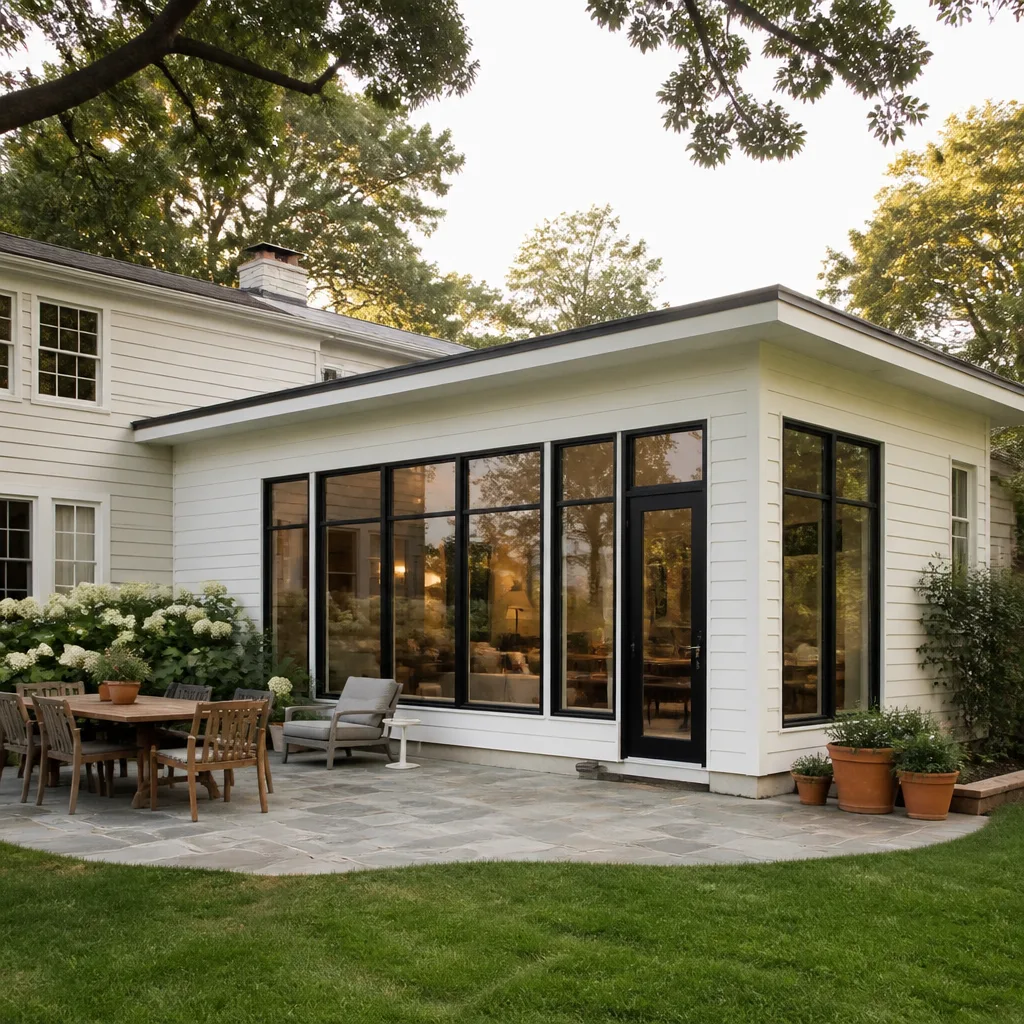
Tremron produces a broad catalog of concrete pavers, retaining wall blocks, and slab products, and most San Antonio homes built with them use one of a handful of common profiles: the 6×9 and 6×6 paver lines, the 3-piece modular systems, and the larger tumbled or smooth-face slabs for patios and driveways. If you have the original paperwork, the product name is printed on the delivery ticket or stamped on the underside of a loose paver. No paperwork? Pull one paver from the edge near where the addition will tie in. Measure the thickness: Tremron pavers for pedestrian areas are often 60mm, while driveway-rated units go 80mm. That thickness tells you whether the existing field can be re-laid at the same height or whether we need to build up the base to meet a new floor elevation.
The OEM-versus-aftermarket question comes up most often with retaining wall block, not the pavers themselves. Matching a 20-year-old Tremron block color from a current production run is not always possible, and forcing a visual match against a faded original can look worse than a deliberate contrast. When we cannot source a true match, we will tell you before we quote, and we will show you the options: harvest matching units from a less visible part of the yard, or choose a complementary block for the new section.
Styles & brands we work with







Signs Your Tremron Home Additions & ADU Is Failing
- Settling or sinking along the paver edge closest to the existing structure. This usually means the original base was not compacted for the new load path once the addition or ADU changed how water and weight distribute across the yard. You can see it as a low line running parallel to the foundation.
- Water pooling in a spot that used to drain. A new roofline or gutter run alters where water lands. When a Tremron patio or walkway suddenly holds water, the slope has changed or the soil underneath has washed out.
- Gaps opening between pavers near the new structure. If the base shifts even a quarter of an inch, joint sand migrates, and pavers start to drift. This is the earliest visible sign that the sub-base below the paver field is being undercut by water or differential settlement.
- Cracks appearing in adjacent concrete flatwork. A slab that used to be fine and now shows a hairline crack running from the new addition’s downspout splash zone is a drainage problem, not a material problem.
- Retaining wall block leaning or bulging. If the ADU or addition required a cut into a slope, and the wall retaining that slope now leans, the re-grading did not account for the surcharge load. This one needs attention sooner rather than later, because a bulging retaining wall in San Antonio’s expansive clay soil tends to keep moving.
See the difference
 Before
 After
After Before
 After
After Before
 After
AfterReplacement Cost & What’s Included
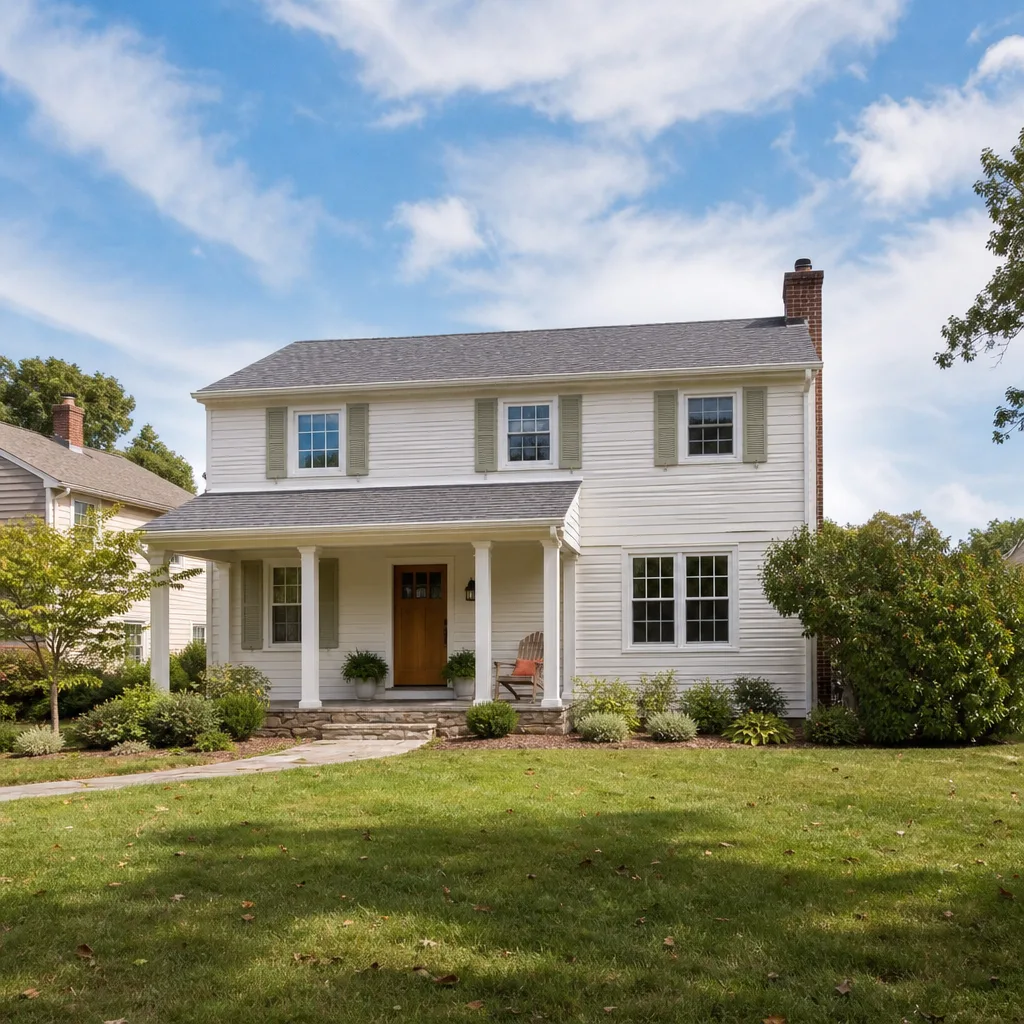
Installed pricing for Tremron-compatible home additions and ADU hardscape work in San Antonio falls within the project ranges above: a home addition runs $45,000 – $130,000, and an ADU sits at $90,000 – $220,000. Those figures include the site work, foundation, framing, finishes, and the paver re-set or matching hardscape tie-in, so the number is not a bare shell cost. What drives the range is scope: a 400-square-foot bump-out off the kitchen is a different job than a 900-square-foot primary suite with a bathroom and walk-in. The paver portion itself is a small piece of the total, but we itemize it on the written price, because you should see exactly what the hardscape re-set costs, down to the sand and edge restraint.
Every quote from Elmstead Remodeling San Antonio includes a written, line-item price before any work starts. No estimate grows after the crew shows up. The 365-Day Done Right Promise applies to the completed project: if the paver line we set against your new foundation is not done right, we make it right. That promise is stamped on the paperwork, not spoken in the driveway after the fact.
DIY or Call Us?
You can safely do the visual checks: walk the paver line after rain, look for low spots, watch where the downspout splash lands. You can also pull a single paver and measure the thickness to help us quote accurately. What you should not DIY is re-setting pavers against new construction. The reason is not the pavers. It is the base. Compaction depth, drainage slope, and the interface between a new foundation and existing hardscape demand a level and a plate compactor, and more importantly, an understanding of how San Antonio’s clay soil moves through a wet-dry season cycle. We have seen a weekend re-set job fail within a year because the base was compacted at the wrong moisture content. Fixing that failure costs more than doing the first job correctly. If you are planning an addition or ADU and the Tremron hardscape needs to stay protected or be integrated, call us at (432) 233-0976 for a free on-site look.
FAQs
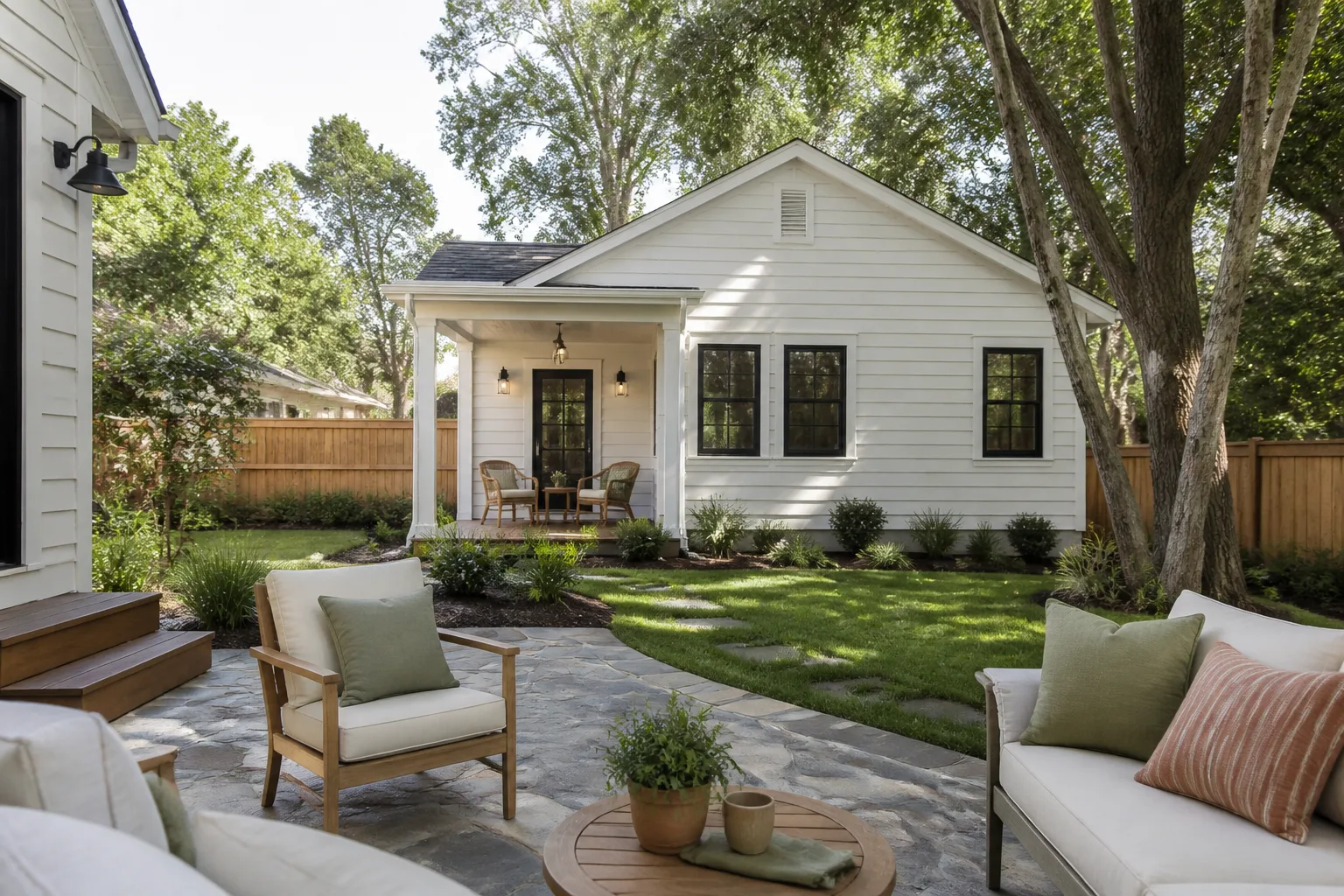
A properly installed Tremron paver field over a stable, well-compacted base in San Antonio should last 20 to 30 years with basic joint sand replenishment. The pavers themselves do not typically degrade in that time. What shortens the lifespan in our climate is soil movement, so the design matter more than the material. Call (432) 233-0976 and we will tell you exactly what condition your base is in before you plan around it.
Yes, in most cases the affected area can be lifted, the base re-compacted or corrected, and the same pavers re-laid, as long as the units are not cracked or chipped. This is a targeted repair, not a full replacement, and it is common when only one section has settled near a new addition’s downspout. We quote that repair as a separate line item so you never pay for more than the problem area.
For the hardscape portion itself, most re-set and tie-in work takes two to four working days depending on square footage and how much base correction is needed. It is scheduled after foundation and rough exterior work are complete, so the new grade is final before we set anything. We give you the schedule in writing before we start.
We keep the consumables on hand: joint sand, base material, edge restraint, and common paver colors. Full pallets of Tremron units are ordered per project, because the exact size and color have to match what is already in your yard. Ordering is quick in San Antonio, and we build that lead time into the schedule so it never stalls the job.
Written by Graham Stein, Owner, Elmstead Remodeling San Antonio at Elmstead Remodeling San Antonio, serving San Antonio and nearby areas.


