


Free written scope consultation - allowances, timeline, and change-order rules on paper before a single trade is scheduled
Ameristar Home Additions & ADU: The San Antonio Owner’s Guide
Ameristar home additions and ADU construction in San Antonio typically runs $45,000 – $130,000 for a standard home addition and $90,000 – $220,000 for a detached ADU, depending on square footage, foundation work, and finish level. We install Ameristar-compatible additions and ADUs across San Antonio, and most families notice the problem when a room stops heating or cooling evenly, when floors begin to slope near the tie-in point, or when exterior water stains appear along the seam where the new framing meets the original structure. If your Ameristar addition is showing cracks at the roofline junction or your ADU’s door frames have shifted out of square, those are the moments we hear about first.
What we want you to know before anything else: you’ll get a written price from us before any work starts. No exceptions. The number you sign is the number you pay. That’s how Graham Stein has run Elmstead Remodeling San Antonio since day one, and it’s the promise every quote carries.
Which Ameristar Models This Applies To

Ameristar home additions and ADUs are not a single product line with interchangeable part numbers, the way a dishwasher or a garage door opener would be. They are site-built structures, and the “parts” that fail are framing members, tie-in flashing, foundation connectors, weatherproofing membranes, and the mechanical rough-ins that cross from the original house into the new space. What matters is how the addition was tied to your existing slab or pier-and-beam foundation, and whether the original Ameristar build used a specific tie-in detail common to San Antonio’s clay-heavy soils.
On the OEM-vs-aftermarket question: for structural connectors, we specify Simpson Strong-Tie or equivalent named hardware, not unbranded generics. For sheathing, we prefer ZIP System or plywood rated for the humidity cycles we get in South Texas. The compatibility gotcha most owners don’t know: Ameristar additions built before roughly 2015 in this region often used a single 2x ledger at the roofline tie-in, which is undersized for the wind uplift ratings now required under San Antonio’s adopted building codes. If your addition predates that window, the fix usually involves upgrading the ledger and the flashing assembly together. We’ll pull the plans if you have them, but most homes don’t, and that’s fine. We measure, we look, and we write down exactly what we find.
Styles & brands we work with







Signs Your Ameristar Home Additions & ADU Is Failing
- Cracks at the ceiling-to-wall junction inside the addition. In San Antonio, clay soil expands and contracts with rainfall and drought, and the original foundation may be moving at a different rate than the addition’s slab. This shows up as hairline cracks first, then wider gaps. The cause is usually differential settlement, and the fix starts with checking the foundation elevations, not just taping over the crack.
- Doors or windows that stick seasonally or won’t latch. When the addition’s frame has shifted out of square, the reveals around doors and windows get tight in one corner. You’ll notice it more after a dry summer or a wet winter. That’s the structure talking, and it’s worth listening before hinges get bent or glass cracks under the pressure.
- Water staining along the wall where the addition meets the original house. The tie-in flashing is the first thing we inspect when we see this. Ameristar tie-ins with a simple L-flashing instead of a proper step-flashing and counter-flashing assembly will leak after a few hard San Antonio storms. The water runs inside the wall cavity, so what you see on the drywall is often weeks behind where the water actually entered.
- Uneven floors where the new slab meets the old. If you can set a marble on the floor and it rolls toward the seam, the addition’s foundation is moving independently. That’s common with clay soils but not something to ignore. We check the interior floor elevations and the exterior grade to see whether water is getting under the slab and making the movement worse.
- A gap opening between the addition’s exterior wall and the roof overhang of the original house. This one is visible from the outside and easy to miss from the ground. When the ledger at the tie-in starts to separate, the gap widens over a season or two. It’s the clearest early sign that the structural connection needs attention, and it’s much less expensive to address before the interior finishes are damaged.
Replacement Cost & What’s Included
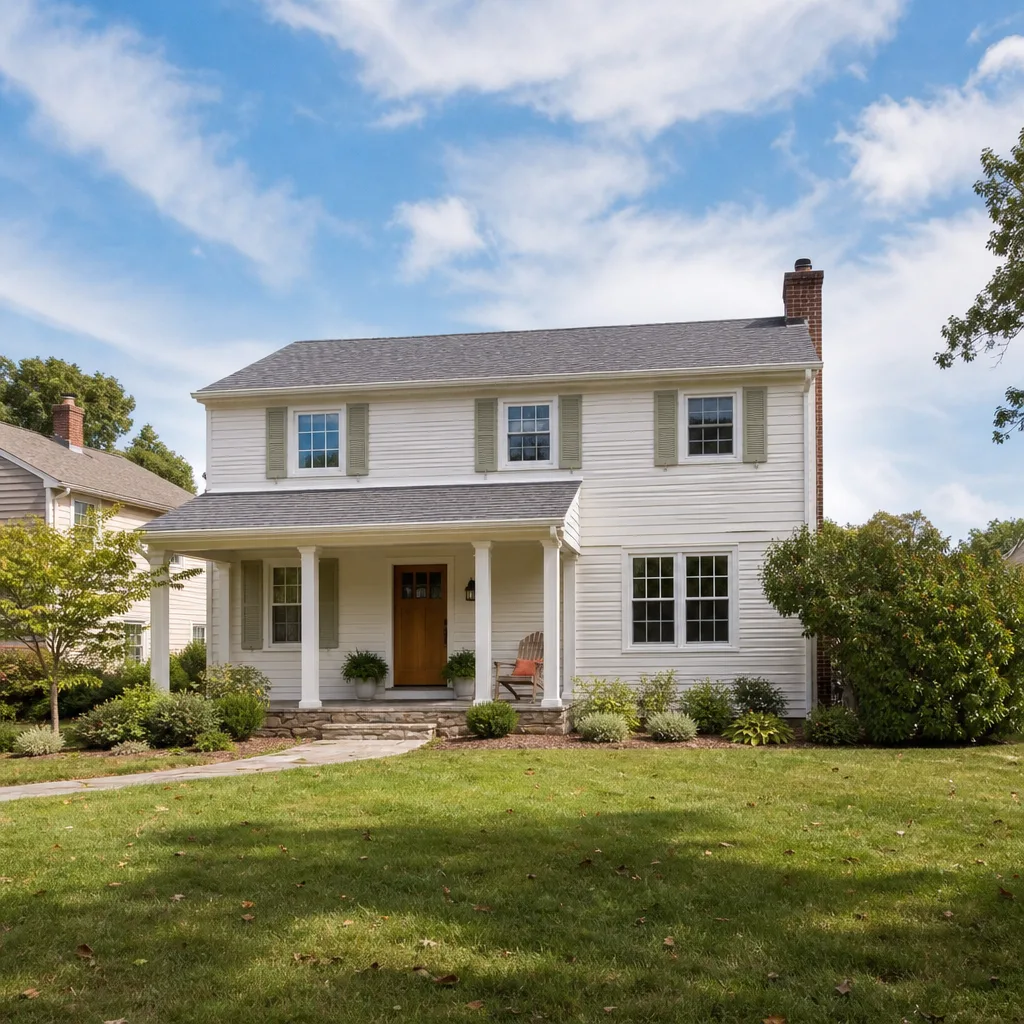
For San Antonio homeowners, a structural repair or rebuild of a failing Ameristar addition usually lands between $45,000 and $130,000. A smaller, focused repair, like a tie-in flashing replacement or a ledger upgrade, will sit at the lower end. A full gut-and-rebuild with new framing, insulation, drywall, flooring, and a new roof tie-in will climb toward the top. Detached ADUs run $90,000 – $220,000 if you’re rebuilding or constructing from scratch on a bare foundation.
Every quote from us includes the parts, the labor, the haul-away, and the written warranty on our work, and it’s backed by our 365-Day Done Right Promise. If something isn’t done right after the job is complete, we make it right. No fine print, no phone tag. You’ll also know before we start what brands we’re putting in: framing lumber from a named local supplier, Simpson Strong-Tie connectors, ZIP System or equal-rated sheathing, and flashing specified for the San Antonio climate, not whatever is cheapest at the yard. The price you sign is the price you pay. We don’t do change orders that appear out of nowhere.
See the difference
 Before
 After
After Before
 After
After Before
 After
AfterDIY or Call Us?
What you can safely do yourself: walk the perimeter of your addition once a season and look for gaps between the addition’s roofline and the original house, check for water stains on interior ceilings after a hard rain, and set a level on the floor near the tie-in to see if the slab is moving. Those observations help us work faster when we arrive. What you should not do yourself: get on a ladder and attempt to re-flash a roof tie-in, open up a load-bearing wall, or jack up a settled slab. A roofline ledger and flashing assembly is a height job with structural consequences if it fails. That’s not a weekend project. It’s how people get hurt, and it’s how a $4,000 flashing repair becomes a $60,000 rebuild.
If you see clear signs on our list, call us at (432) 233-0976. We’ll walk the property with you, take the measurements, and hand you a written scope of work before any tools leave the truck. Write it down, price it once, do it right.
FAQs
How long should an Ameristar addition or ADU last in San Antonio?
A well-built Ameristar addition with proper flashing, foundation tie-ins, and drainage should last 50 years or more before major structural work is needed, though the roof membrane and exterior paint will need attention every 10 to 20 years. San Antonio’s clay soils and long hot summers take a toll, especially on foundations; additions built without proper grading can develop settlement issues within the first 10 years. Call (432) 233-0976 if you’re seeing early cracking, and we’ll tell you whether it’s cosmetic or structural.
Can a failing Ameristar addition be repaired, or does it need a full rebuild?
Most additions can be repaired, especially when the problem is caught early at the flashing, the ledger, or a single section of foundation. A full rebuild is usually only necessary when water damage has rotted the framing or the slab movement is too severe to correct with piers or grading. The best way to know is to have us look at it; we’ll give you a straight written answer, not a sales pitch.
How long does a structural repair on an addition take?
A flashing or ledger repair typically takes three to five working days. A foundation stabilization or a partial rebuild can run two to six weeks, depending on the scope and whether you’re living in the house while we work. We schedule around your family’s daily patterns, and we use quiet tools during nap and school hours where it’s possible.
Do you stock the materials needed for an Ameristar addition repair?
We keep the most common structural connectors, flashing materials, and sheathing on our trucks for standard tie-in repairs, and we source the rest from our San Antonio suppliers within a day or two. For anything with a lead time, like custom flashing or specialty lumber, we order it before we start demolition so you’re never left with an open wall. Call (432) 233-0976 for an exact quote; estimates are free.
Contact Elmstead Remodeling San Antonio
If your Ameristar home addition or ADU is showing signs of failure, or if you’re planning a new addition and want it built right the first time, call Elmstead Remodeling San Antonio at (432) 233-0976. We’re a Cedarwell company, independently owned and operated here in San Antonio, and we’re not affiliated with Ameristar. What we are is the crew that shows up with drop cloths, shoe covers, and a written price, and leaves with a photo of the clean-up before we go. Graham Stein and our team have worked on homes across San Antonio, including older homes near the King William Historic District where the original framing demands patience and a careful hand. Ask about our 365-Day Done Right Promise when you call, and we’ll tell you exactly what it covers on your project. Free estimates, a live person on the phone 24/7, and no surprises at the end.
Written by Graham Stein, Owner, Elmstead Remodeling San Antonio at Elmstead Remodeling San Antonio, serving San Antonio and nearby areas.


