
Free written scope consultation - allowances, timeline, and change-order rules on paper before a single trade is scheduled
Atlas Home Additions & ADU: The San Antonio Owner’s Guide
If you own a home in San Antonio with an Atlas-built addition or ADU, a failed structural or finish component doesn’t mean you need a full teardown. We match Atlas-specific framing, moisture-barrier, and finish details for home additions and accessory dwelling units across San Antonio, and the installed cost for most component replacements runs $45,000 – $130,000 depending on scope. Your family shouldn’t live around a cracked slab edge, a failing exterior transition, or water creeping into the ADU while you wonder who can actually fix it right.
Most owners find the problem the same way: a door that starts sticking in the summer, a seam that opens up where the addition meets the original slab, or a musty smell in the ADU after a heavy Texas rain. One failed connection point gets blamed on the whole Atlas build. Usually it’s one specific part that gave out, not the structure. We’re an independent San Antonio remodeling contractor, not affiliated with Atlas, and we’ve spent years correcting exactly these failure points so the rest of the addition keeps doing its job.
Which Atlas Models This Applies To
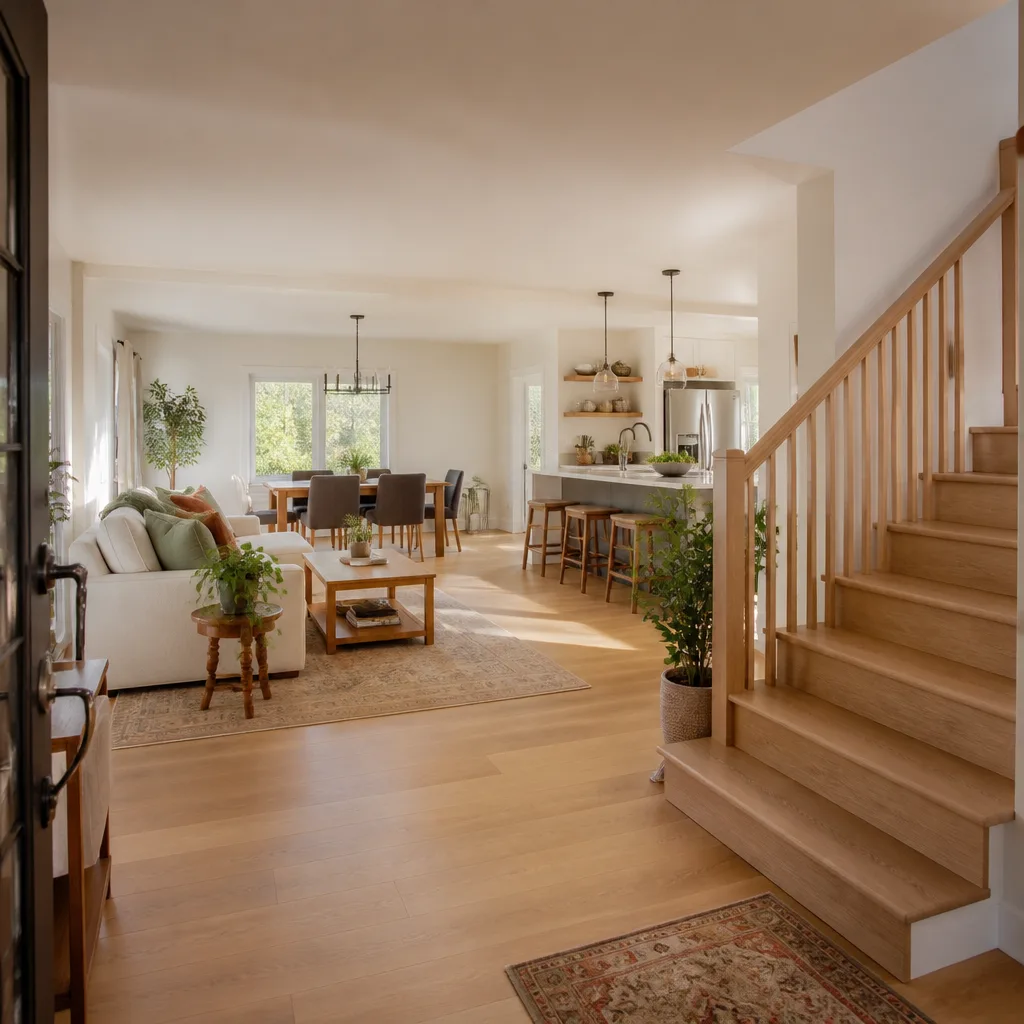
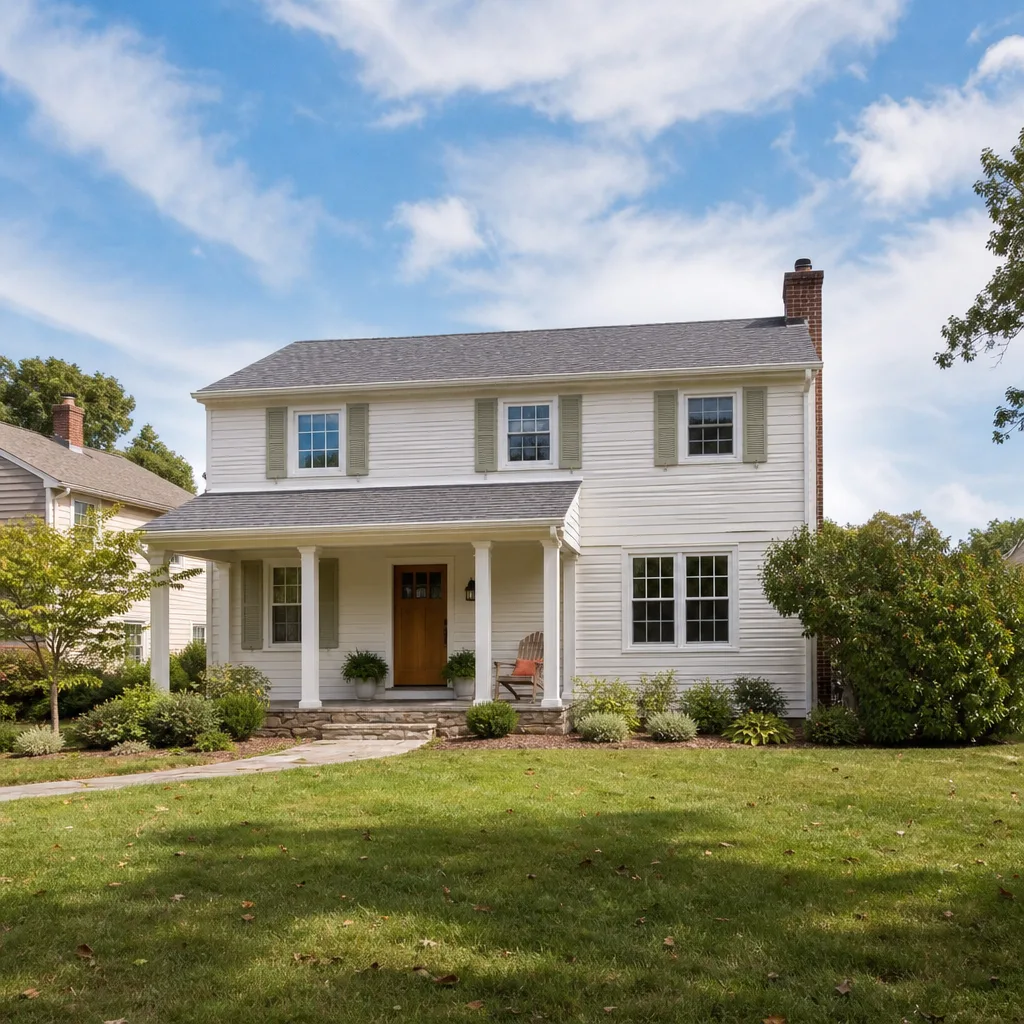
The Atlas additions we see across San Antonio fall into two rough families: slab-on-grade expansions tied to the main home and detached ADU structures with their own foundation runs. The compatibility question is not about a model number stamped on a unit. It’s about the original framing spacing, the type of moisture barrier used at the sill plate, and the exterior transition details Atlas used when the work was permitted. When we open up a failing section, we measure the actual joist spacing and the sheathing thickness before we order one board or one length of flashing. Guessing at a “standard” part is how a fix fails again in eighteen months.
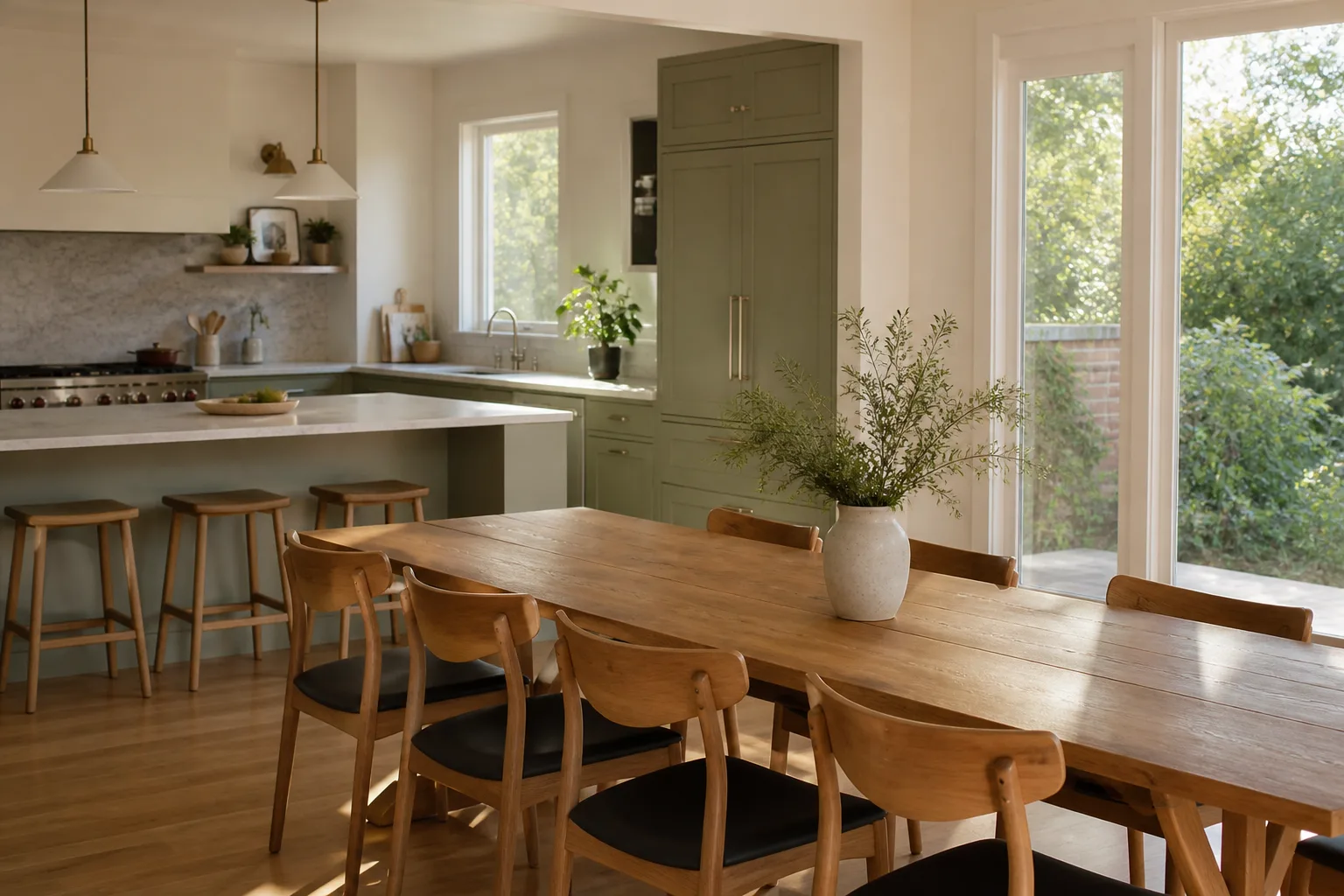
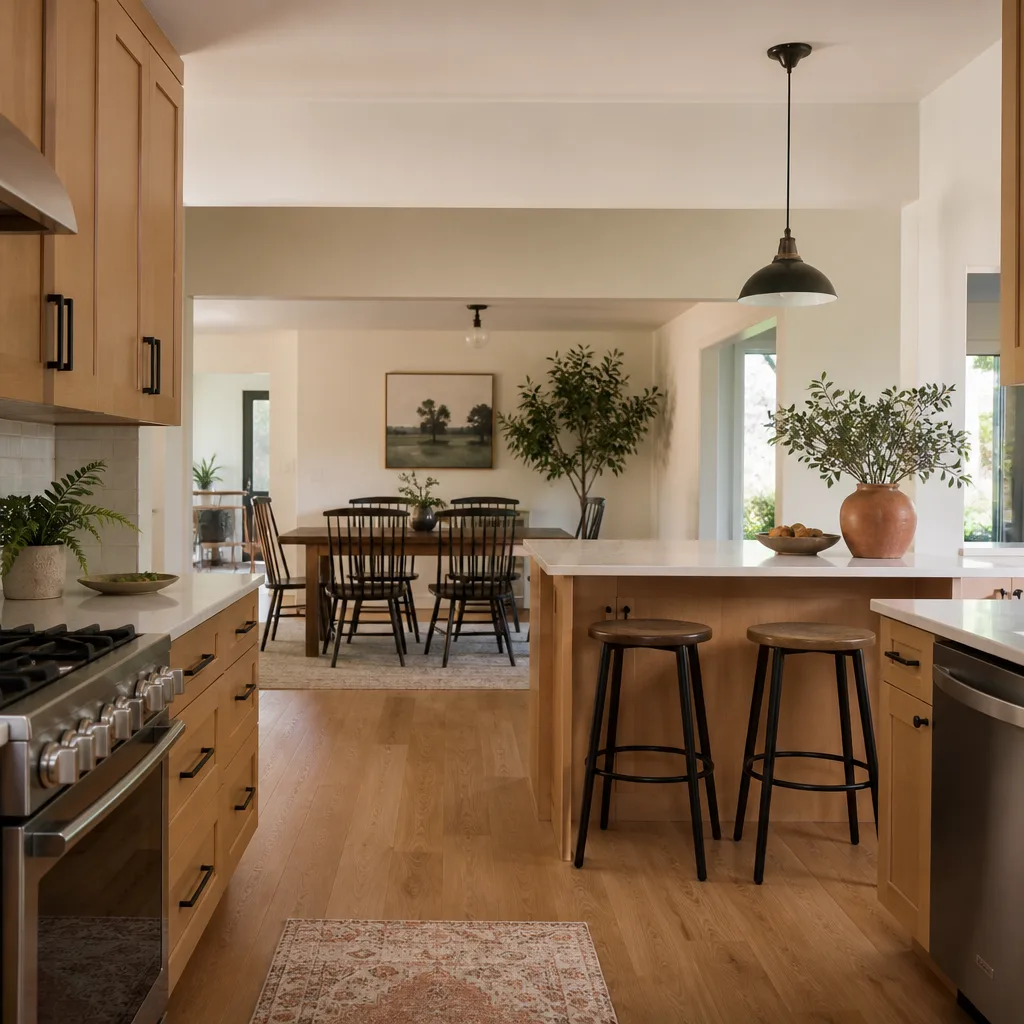
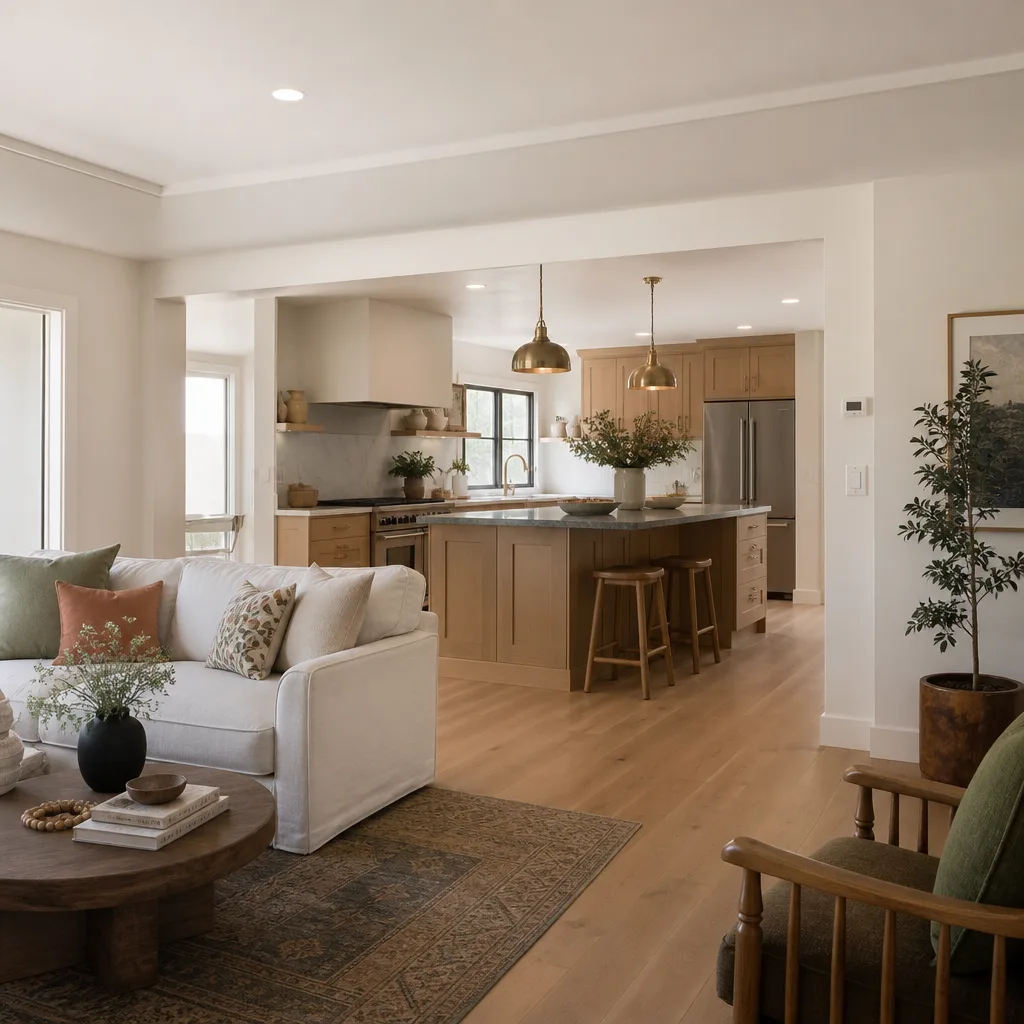
For the finish side, the brands you’ll find inside a lot of Atlas jobs are the same ones we install daily: KraftMaid and Wellborn cabinets, Cambria and Silestone countertops, and James Hardie siding. That matters because a failed cabinet hinge or a delaminating countertop edge can be matched to the original line instead of replaced with a near-miss. Where an Atlas-specific part is no longer made, we’ll show you the aftermarket equivalent side by side before we buy anything. In San Antonio’s heat-and-rain cycle, the first things to go on Atlas additions are almost always the expansion joints and the kick-out flashing at roof-to-wall intersections, not the interior you can see from the couch.
Styles & brands we work with







Signs Your Atlas Home Additions & ADU Is Failing
- A door that sticks only in July and August. San Antonio clay soil expands hard in summer, and if the original slab edge or pier spacing wasn’t matched to the site’s soil movement, the addition shifts enough to bind the door. The problem isn’t the door, it’s the connection underneath.
- A hairline crack that follows the line where the Atlas addition meets the original house. This is the most common failure point we correct. The fix is a properly installed expansion transition that lets both structures move without tearing apart at the seam.
- Water staining on the ceiling of the ADU after a hard rain. Almost always the kick-out flashing where the ADU roof dies into a taller wall. It’s a $400 – $1,800 roof repair paired with a flashing detail correction, not a call to re-roof the whole structure.
- A floor that creaks differently in winter than in summer. Framing that was slightly under-sized for the span will telegraph movement as the humidity changes. We trace the exact joist or beam carrying the movement before recommending a fix.
- Caulk joints that keep opening at exterior corners. If you’ve recaulked twice and it cracks again, the movement is structural, not cosmetic. No amount of sealant fixes a corner that’s flexing half an inch through the season.
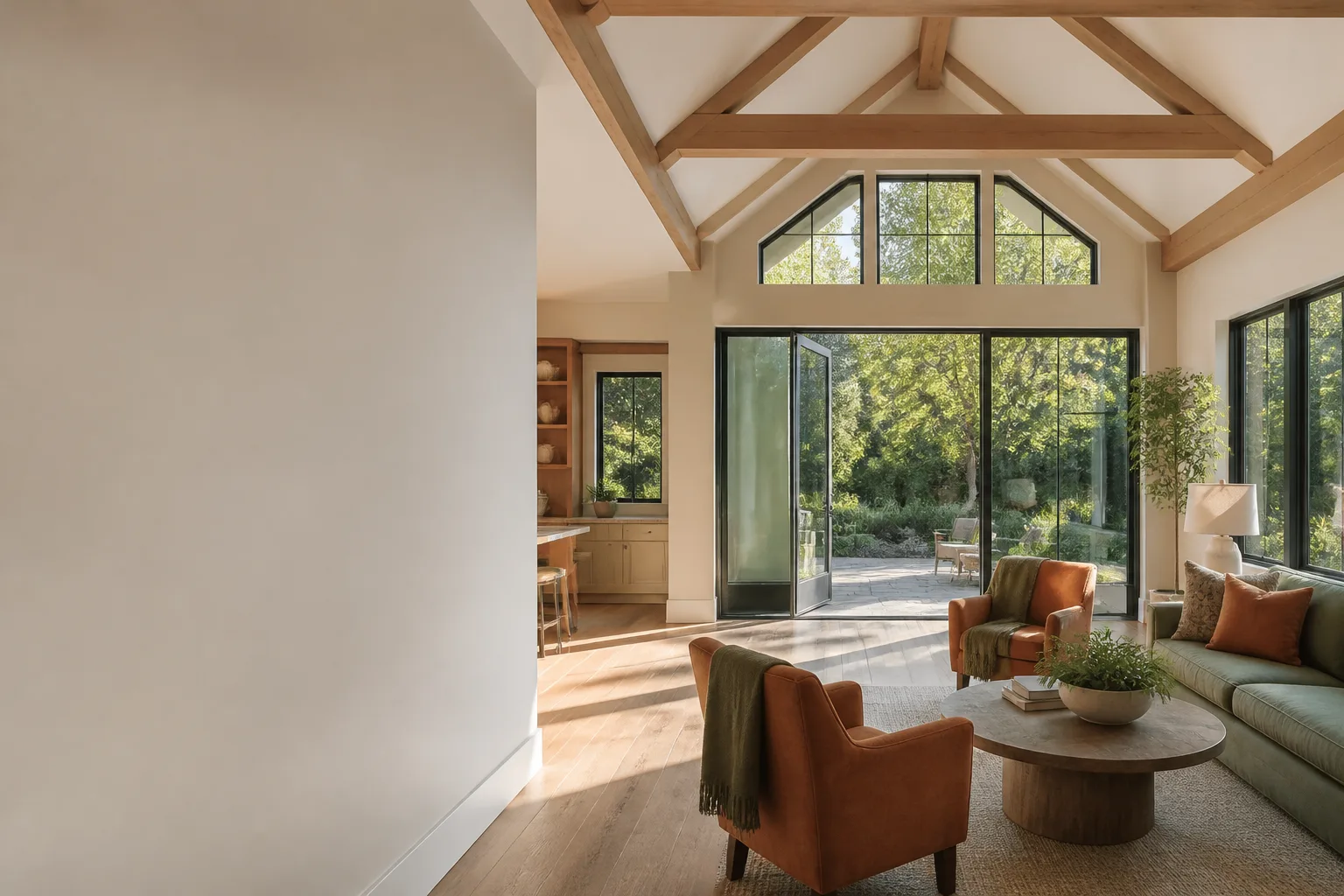
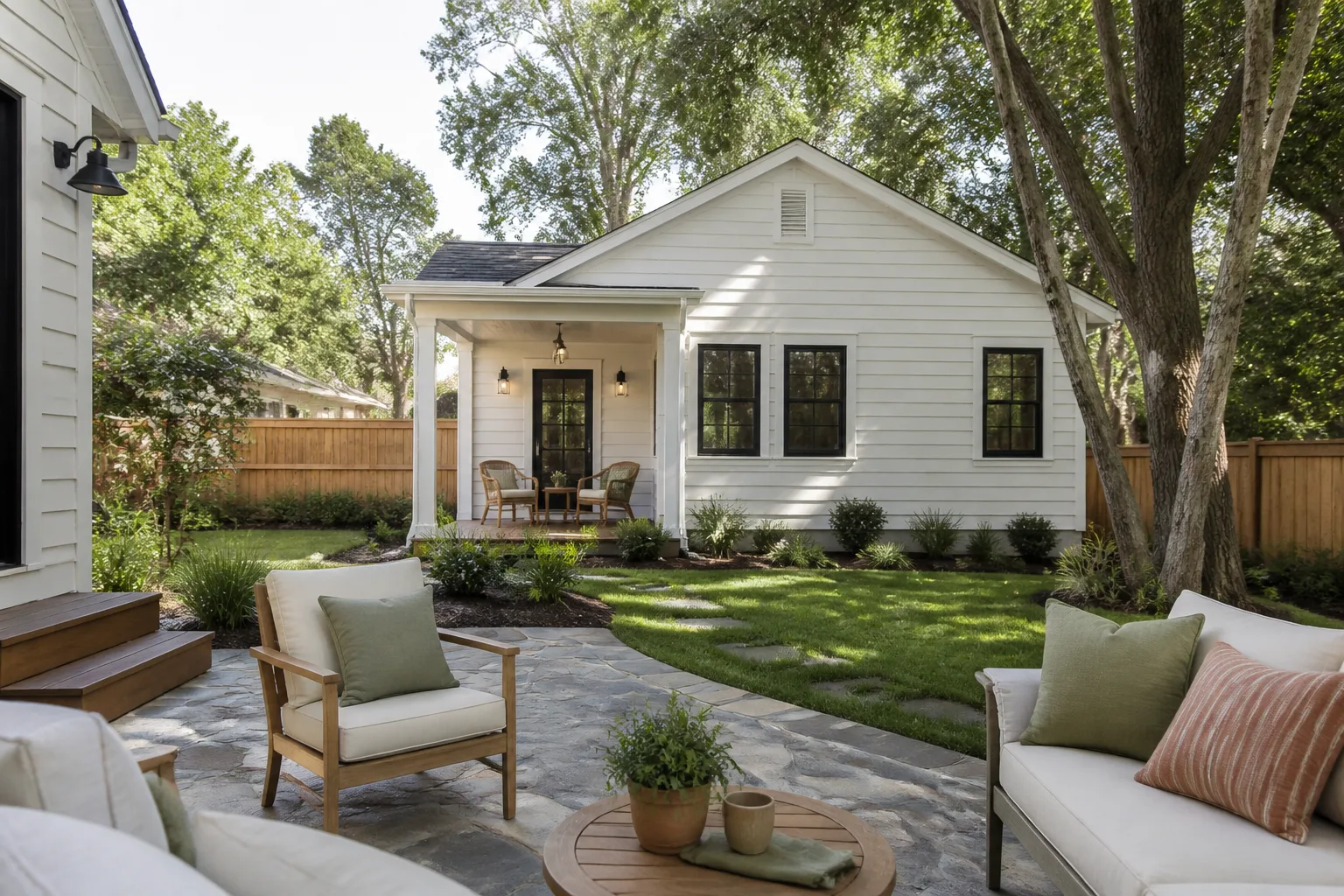
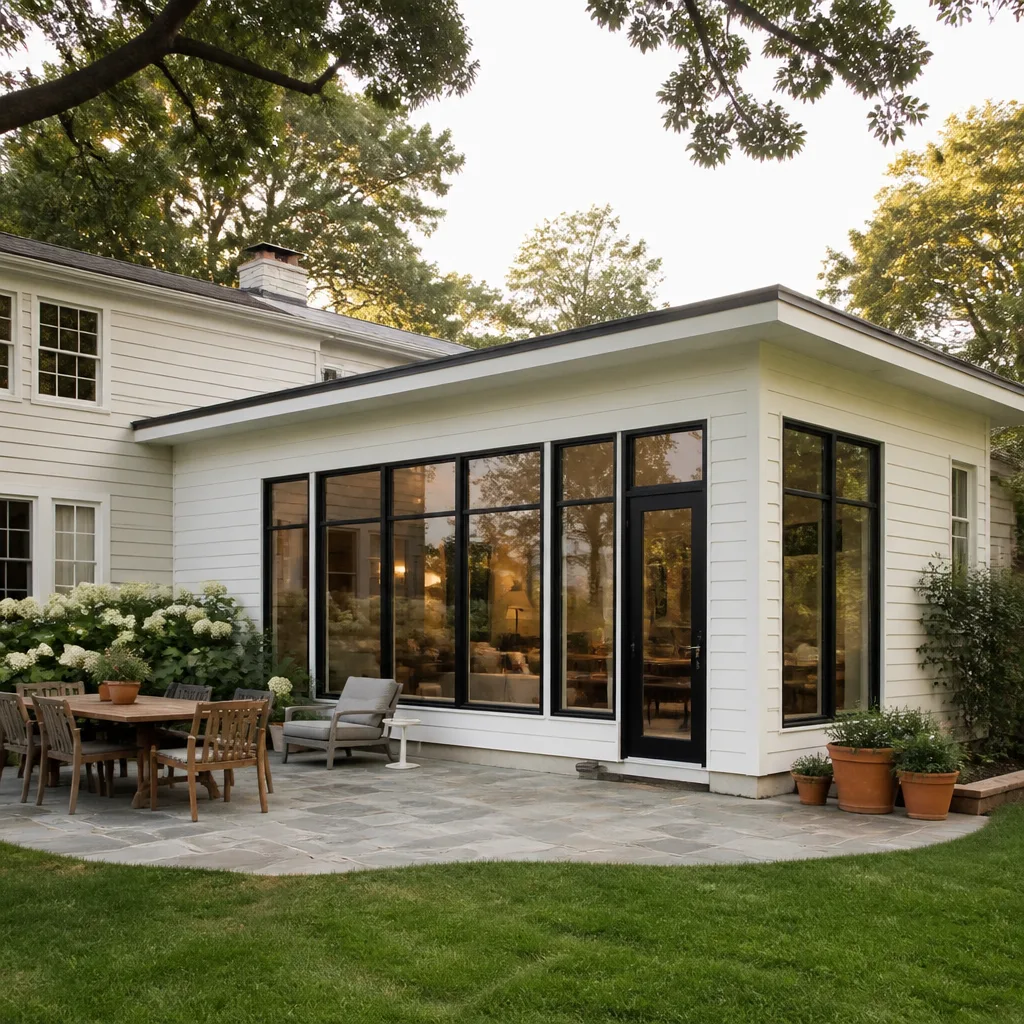
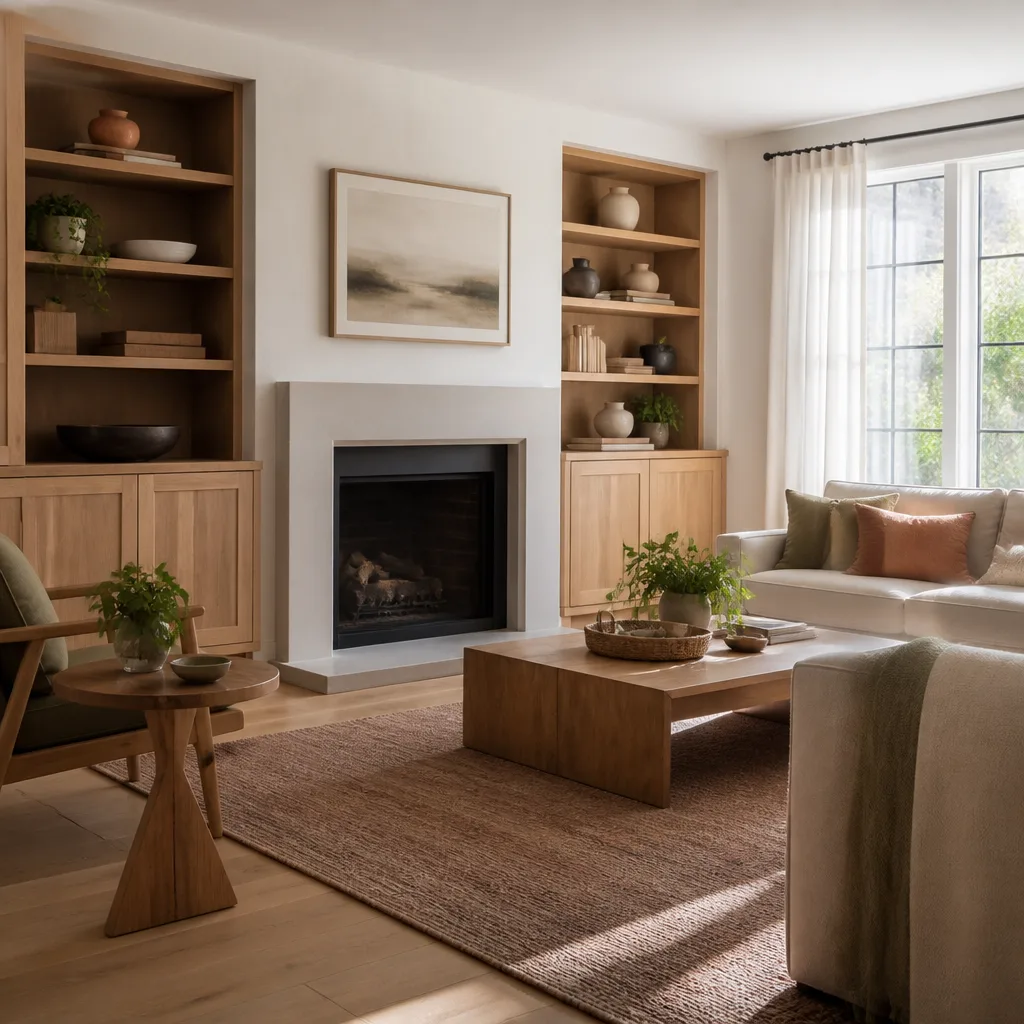
See the difference
 Before
 After
After Before
 After
After Before
 After
AfterReplacement Cost & What’s Included
For Atlas addition and ADU component work in San Antonio, the final number depends on how far the failure has traveled. A full home addition runs $45,000 – $130,000, while a detached ADU construction project lands between $90,000 and $220,000. What pulls a repair toward the bottom of the range: the failure is isolated to one flashing detail, one cabinet run, or one section of siding. What pushes it higher: the moisture already moved into the subfloor, the framing has to be sistered, or the original permit requires updated structural engineering to meet current San Antonio code.
Every line in our written price is spelled out before work starts, because Graham Stein writes the scope down before a single tool leaves the truck. You’ll know what the parts cost, what the labor costs, and what we’re replacing. No line items appear after demo day. The work is covered by our 365-Day Done Right Promise: if it’s not done right after we finish, we make it right.
DIY or Call Us?
What you can safely handle: tightening cabinet doors, checking the caulk lines on a dry day to see where the real movement is, and marking a crack with a pencil date to track whether it’s growing. Those notes help us find the root cause faster, and we’d rather you do that than pay us to watch a crack for six weeks.
What you should not touch: anything involving structural framing, sill plates, load-bearing walls, or roof-to-wall flashing. A wrong guess on a load path inside an Atlas addition in San Antonio can put the whole structure at risk, and the city’s building department will want permits and inspections on any structural correction anyway. Our crew is background-checked and uniformed, and we pull the permits and pass the inspections as part of the job. If the crack is growing, the door no longer closes, or water is inside the ADU, call us at (432) 233-0976. The estimate is free, and the answer you get will include a written price before anything begins.
FAQs
A properly built Atlas addition or ADU in San Antonio should last 40 to 60 years as a structure, but the exterior transition components like flashing and expansion joints typically need attention every 10 to 15 years because of the heat, clay soil movement, and rain cycles. Call (432) 233-0976 and we’ll give you an honest read on what’s wearing and how much life is left.
Yes, in most cases the expansion transition at the seam can be repaired and refinished without any teardown, as long as the framing behind it is still dry and sound. That’s usually a far smaller job than replacing the structure, and we’ll confirm what’s behind the surface before we give you a written price. Call us at (432) 233-0976 to schedule the inspection.
Most single-component fixes, like a flashing detail, an exterior transition, or a cabinet and countertop reset in an Atlas addition, take one to three working days once materials are on hand and permits are issued. We protect the floors with drop cloths and shoe covers the entire time, and we clean up before we leave, with a photo of the clean-up on every job. Call (432) 233-0976 for a written scope with dates.
We keep common aftermarket structural connectors, flashing profiles, and expansion joint materials on hand in San Antonio, but for Atlas-specific trim or cabinetry pieces we order from the original manufacturer lines like KraftMaid or Wellborn so the match is exact. If you’re not sure which part you need, call (432) 233-0976 and we’ll help you identify it before anyone spends a dollar.
Written by Graham Stein, Owner, Elmstead Remodeling San Antonio at Elmstead Remodeling San Antonio, serving San Antonio and nearby areas.


