





Free written scope consultation - allowances, timeline, and change-order rules on paper before a single trade is scheduled
Owens Corning Home Additions & ADU: The San Antonio Owner’s Guide
When you’re adding square footage to a San Antonio home, Owens Corning materials show up most often in the building envelope: insulation, roof decking, and weather barriers that sit behind the walls of a new addition or ADU. A failed or improperly installed part in that envelope, like compromised insulation batts or damaged radiant barrier, typically calls for a repair or replacement before framing, drywall, or finish work continues. We stock Owens Corning-compatible insulation, vapor barriers, and related envelope materials for home additions and ADU projects in San Antonio, with installed repair work typically running $45000 – $130000 for a full home addition and $90000 – $220000 for a detached ADU. The smaller repair, the failed part itself, often falls on the lower end once we scope the wall cavity or roofline.
Most homeowners discover an Owens Corning envelope part has failed during a walkthrough, not from a leak in the living room. You’ll pull back a section of drywall during a remodel and find compressed fiberglass batts, a torn vapor barrier, or radiant barrier that’s sagged away from the roof deck after years of Texas attic heat. Or the addition never quite held temperature the way the original house did, and now you know why. The fix is rarely dramatic, but it matters: the envelope is what keeps a San Antonio summer afternoon from turning the new bedroom into an oven.
Which Owens Corning Models This Applies To
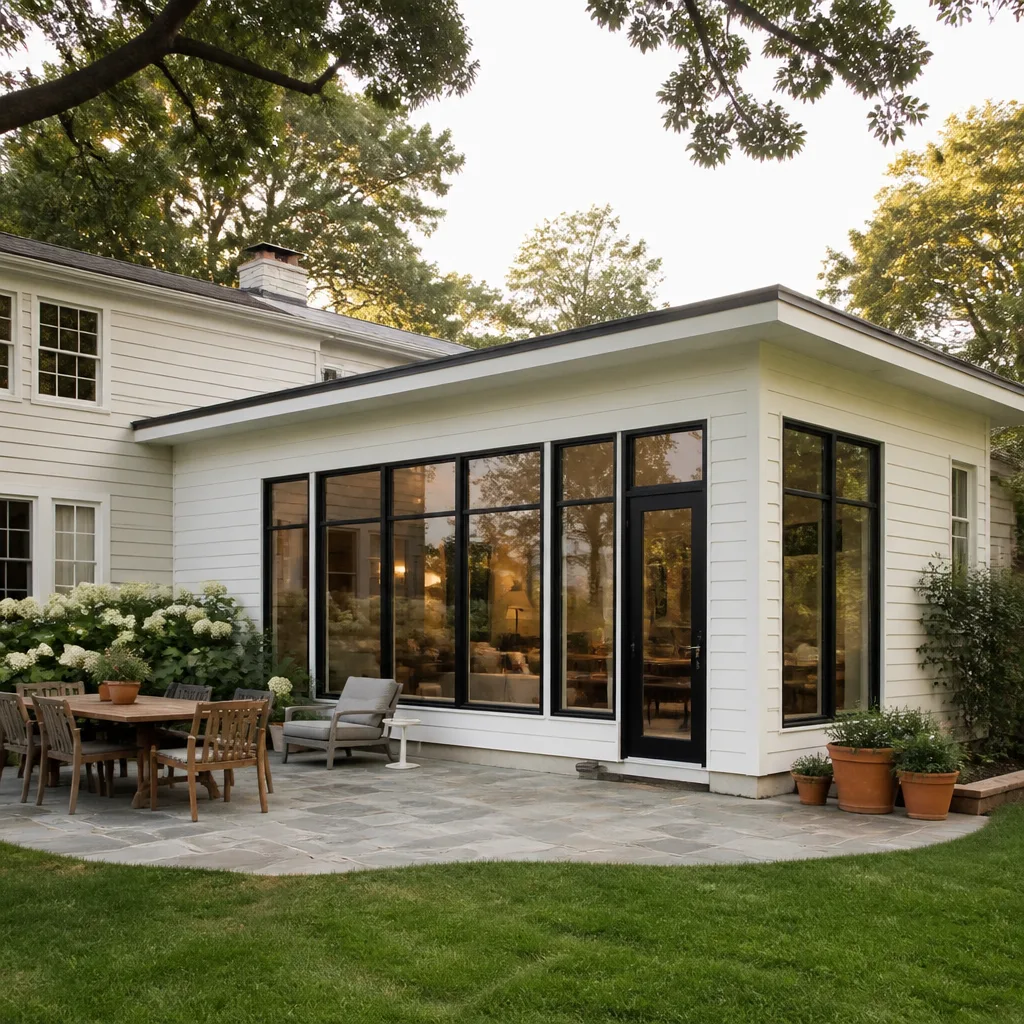
Owens Corning makes a range of products that end up in home additions and ADUs, and the compatibility question depends on which part of the envelope failed. In San Antonio, the most common Owens Corning materials we see are fiberglass insulation batts and rolls (the R-13, R-19, and R-30 lines most often), the ProPink blown-in loosefill, the FOAMULAR rigid foam boards used on exterior sheathing, and the Solace or QuietZone products specified for sound control between the main house and a new ADU. Each has a different identification method: batt insulation carries an R-value printed on the facing every few feet; FOAMULAR board has the product name and thickness embossed into the foam; radiant barrier film will have a lot number on the roll edge.
For the OEM versus aftermarket decision: Owens Corning fiberglass insulation is one of the few categories where the OEM product is genuinely worth matching exactly, because the R-value per inch matters for San Antonio code compliance and because the manufacturer’s warranty applies only when the same product line is used across the repaired section. A torn vapor barrier or damaged radiant barrier film has more flexibility. Quality aftermarket barriers in the same perm rating and reflectivity range will perform fine, and a written line-item quote will show you the exact product name either way.
One compatibility gotcha worth knowing: Owens Corning FOAMULAR boards are not interchangeable with generic pink or blue foam board from a big-box store when they sit against a footing or below grade. The compressive strength differs by product number, and San Antonio’s expansive clay soil means a below-grade rigid foam on an ADU foundation needs the right crush rating. We check the embossed code on the existing board before matching it.
Styles & brands we work with







Signs Your Owens Corning Home Additions & ADU Is Failing
- Uneven room temperatures between the addition and the original house. The new space runs five to eight degrees warmer in summer or colder in winter, and the HVAC runs longer than it should. The usual culprit in San Antonio attics is fiberglass batts that were compressed during installation or have settled, which drops the effective R-value below what the label says.
- Higher cooling bills after the addition was completed. A well-insulated envelope keeps the heat out; a failed or gapped one lets it in all afternoon. If your summer CPS Energy bill took a jump after the addition and stayed there, the envelope is the first place we look.
- Visible moisture or efflorescence on the addition’s exterior wall. This often points to a torn or improperly lapped vapor barrier behind the siding. San Antonio’s humidity cycles create real vapor drive, and a barrier with gaps lets that moisture condense inside the wall cavity rather than drying outward.
- Draftiness around the floor of a pier-and-beam addition. Older San Antonio neighborhoods like Monte Vista or Alamo Heights have lots of pier-and-beam homes, and a new addition on the same foundation style needs proper insulation under the floor. Batts that have sagged or fallen out of the joist bays create cold floors in January.
- Sound traveling too easily between the main house and a new ADU. If you can hear a conversation or a running washer through the wall, the Owens Corning QuietZone or equivalent sound batt was likely installed with gaps or compressed behind outlets. That’s a material failure or an installation failure, and both get fixed the same way: open the wall, re-insulate, close it back clean.
See the difference
 Before
 After
After Before
 After
After Before
 After
AfterReplacement Cost & What’s Included
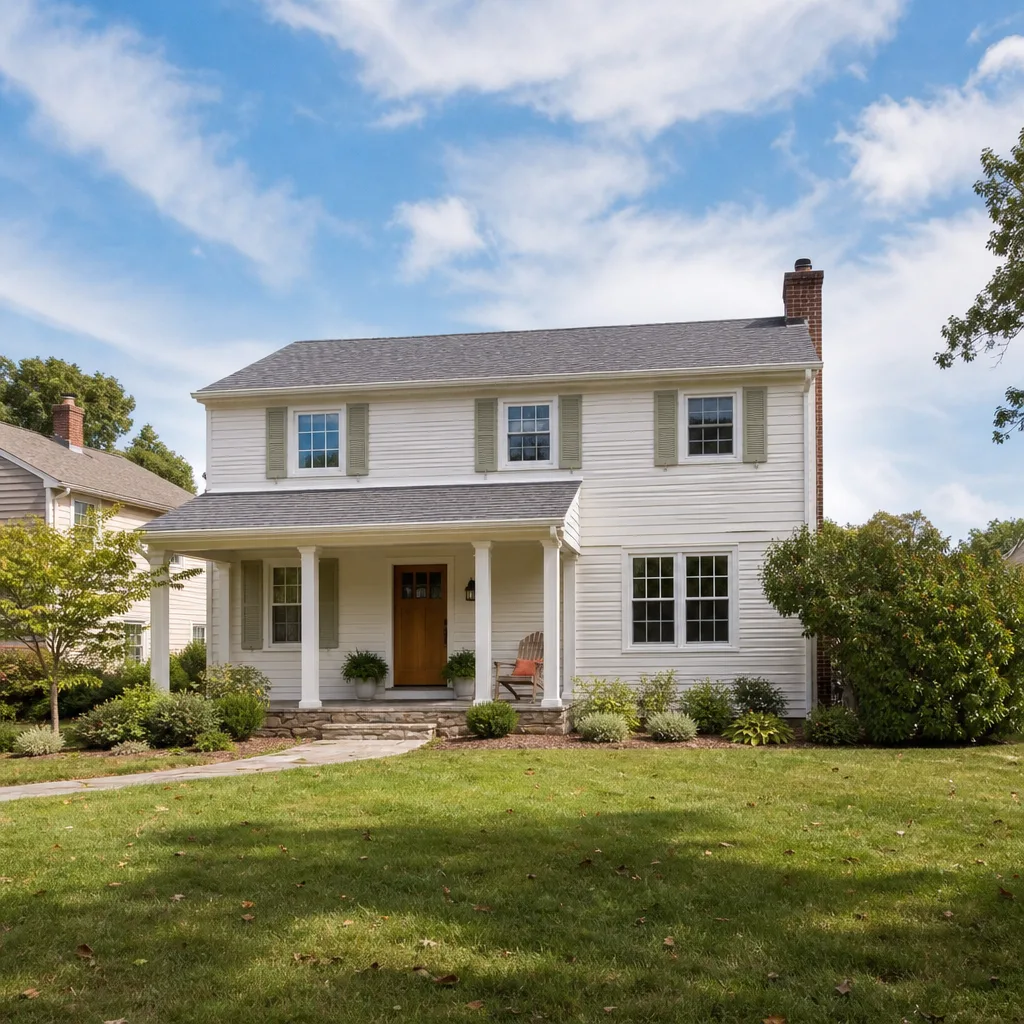
For an Owens Corning envelope repair as part of a larger San Antonio home addition, the installed price depends on how much wall or attic area has to be opened and restored. A small repair in a single wall cavity or a section of attic might run $45000 – $130000 when the full home addition is the context; a detached ADU runs $90000 – $220000. The envelope repair itself, the part-and-labor piece, is the smaller line item on a written quote that shows you each material, each labor step, and the exact R-value or product number we’re installing.
Every quote includes the full scope in writing before work starts, so you’ll see exactly what changes if the crew opens a wall and finds more damage than expected. You’ll also get the drop cloths, the shoe covers, and a photo of the clean-up before our crew leaves. The repair work carries the 365-Day Done Right Promise: if it’s not done right, we make it right. Graham Stein writes the scope down before a single tool leaves the truck. Write it down, price it once, do it right.
San Antonio’s climate matters here. Attic temperatures regularly hit 140°F in July and August, and that heat load is why R-30 or R-38 in the attic floor is the realistic minimum, not a nice-to-have. Radiant barrier that’s torn or sagging loses its reflectivity fast in that heat, so matching the original Owens Corning product and getting the install detail right is the whole job.
DIY or Call Us?
There are a few checks you can do safely from the attic access or an open wall before you call anyone. Look for batts that have fallen out of the joist bays, feel for compressed insulation behind outlet boxes, and check whether radiant barrier is hanging loose off the rafters. You can photograph what you find, and that helps us quote faster. What you should not do is crawl across an unsupported San Antonio attic in July, pull down large sections of drywall, or handle fiberglass batts without proper sleeves and a respirator.
Fiberglass insulation is an irritant, not a toxin, but it’s miserable work in a hot attic and easy to install wrong: compressing a batt by an inch drops its effective R-value by more than you’d think, and a vapor barrier installed on the wrong side of the wall assembly traps moisture against the framing. That’s how a $200 material fix becomes a $4,000 framing repair two years later. If you’ve found the failed part and you’d rather it just be handled, call (432) 233-0976. We’ll bring the right Owens Corning match, open what needs opening, and leave the room ready for finish work.
FAQs

Fiberglass batts and blown-in insulation don’t wear out chemically, but they lose performance over 15 to 25 years when they’ve been compressed, gotten wet, or settled in a hot Texas attic. Radiant barrier film can fail in 10 to 15 years if it wasn’t stapled properly or if roof leaks soaked the facing. If you’re not sure what you have, call (432) 233-0976 and we’ll take a look.
Most envelope failures are local, not systemic: one wall cavity, one section of attic, one run of vapor barrier. We repair the damaged section with matching Owens Corning product and leave the rest intact. Full replacement only makes sense when a whole roof deck or addition shell was done wrong from the start. Estimates are free, and they’ll show you which one you’re looking at.
A single wall cavity or a small attic section is usually a half-day to a full day, including the clean-up and the photo you get before we leave. Larger repairs where we’re opening multiple walls or re-insulating an entire ADU roof deck can take two to three days. We’ll give you the timeline in writing with the price.
Our crews keep common R-13, R-19, and R-30 Owens Corning batts, radiant barrier rolls, and vapor barrier stock on the truck for San Antonio jobs. If your project needs a specific FOAMULAR board thickness or a sound-control batt like QuietZone, we order it and schedule the repair once it’s in hand. You’ll know the product name and R-value before anything gets installed.
Written by Graham Stein, Owner, Elmstead Remodeling San Antonio at Elmstead Remodeling San Antonio, serving San Antonio and nearby areas.


