


Free written scope consultation - allowances, timeline, and change-order rules on paper before a single trade is scheduled
Blanco Home Additions & ADU: The San Antonio Owner’s Guide
If you own a Blanco home addition or ADU in San Antonio and a part has failed, here’s what you need to know: we stock and install Blanco-compatible parts for home additions and ADUs, with most replacements running $45,000 – $130,000 depending on scope. The work is typically completed in 4 – 8 weeks, and we’ll give you a written price before any work starts. Homeowners usually discover a problem when a door binds after a hard rain, a mini-split stops cooling a bedroom in August, or water stains appear at a wall-to-roof connection. That’s the moment a small part failure starts showing itself.
At Elmstead Remodeling San Antonio, we’re an independent service provider, not affiliated with Blanco. What we are is the crew that has worked on Blanco-styled additions across San Antonio, including older homes near the King William Historic District where matching existing lines matters as much as fixing the failed part.
Which Blanco Models This Applies To
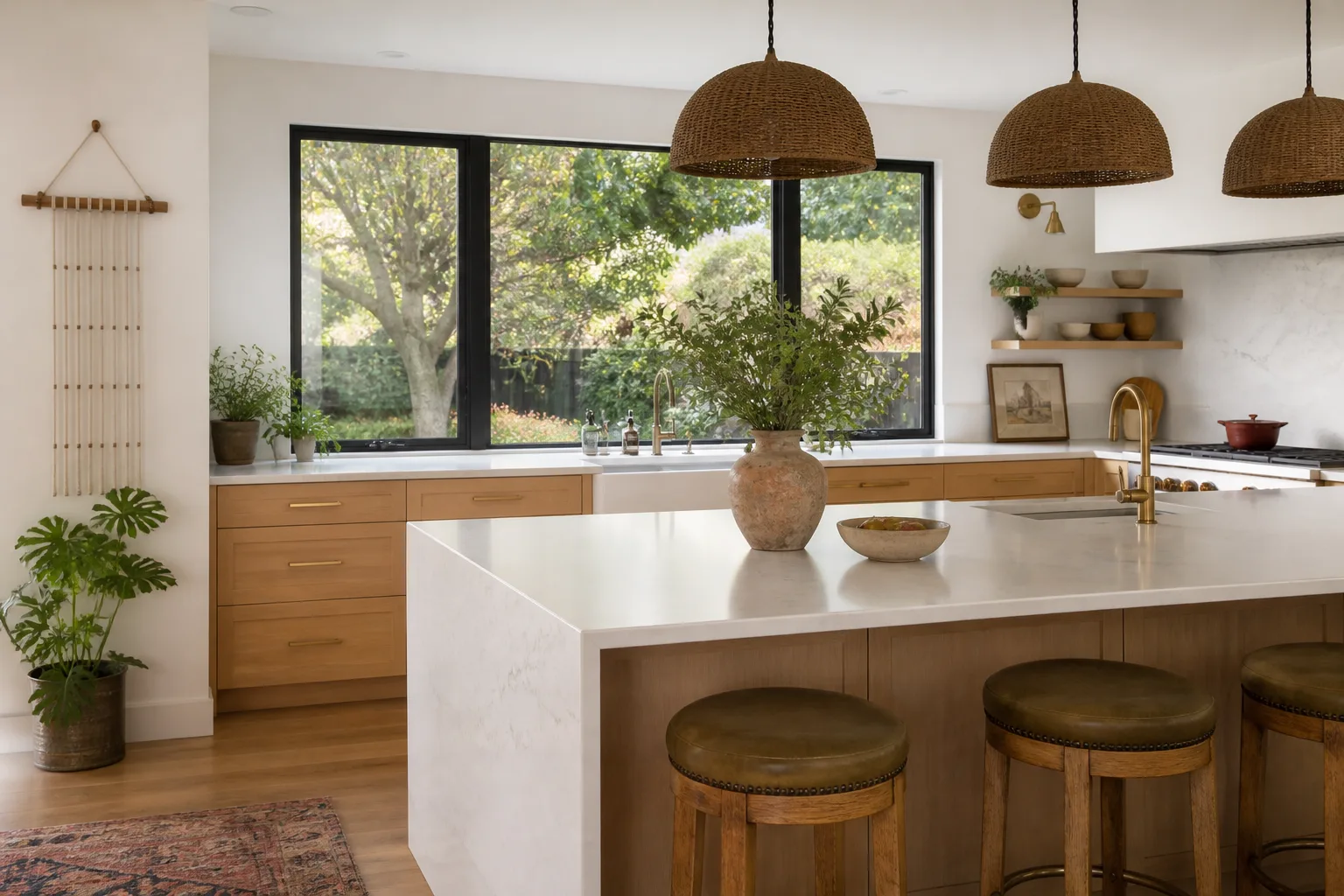
Blanco home additions and ADUs aren’t built from a single catalog of parts like a faucet line. They’re constructed spaces, which means the parts that fail are the building components: door systems, window flashing, mini-split units, water heater connections, and roof-to-wall transitions. The Blanco distinction that matters in San Antonio is the tie-in detail between the original structure and the addition. Older Blanco-styled builds in neighborhoods like Alamo Heights and Terrell Hills used a specific flashing profile at the roof intersection that’s different from current code-compliant detailing. If your addition was permitted before roughly 2015, the flashing detail at the connection point is the first place we’ll look.
When matching a replacement part, we need two things: the visible label or stamped model number on the failed component, and a measurement of the opening or connection. For door replacement, that means the rough opening width and the jamb depth. For a mini-split, the model number on the side of the condenser tells us the exact BTU rating and refrigerant type. OEM parts carry the original manufacturer warranty, but many Blanco-era components were sourced from suppliers that have since changed models. In those cases, a quality aftermarket equivalent with the same dimensions and thermal rating performs just as well, and it’s what we’ll recommend if the OEM part is backordered. We also work with KraftMaid, Cambria, and Silestone products, so if a cabinet component or countertop section in your addition needs matching, we can source it directly.
Styles & brands we work with







Signs Your Blanco Home Additions & ADU Is Failing
- The door between the original house and the addition won’t latch in summer. San Antonio’s clay soil expands and contracts through drought and rain cycles harder than almost any other Texas market. The addition settles at a slightly different rate than the original slab, and the door is usually the first place that movement shows up.
- You feel a draft at the wall-to-ceiling connection on windy days. The ceiling joint where the addition ties into the original roofline is a common failure point. What feels like a draft is often a failed seal or a shifted flashing detail that’s letting conditioned air out.
- The mini-split runs constantly but one room stays warm. That’s a refrigerant leak or a failing condenser fan, not a thermostat problem. In San Antonio’s summer heat, a struggling mini-split works twice as hard for half the cooling, and your electric bill reflects it.
- Water stains appear at the top corners of windows in the addition after heavy rain. This points to failed flashing or dried sealant around the window perimeter. If it’s happening, it means water is getting past the outer barrier and pooling where you can see it.
- You hear a soft creaking when you walk across the addition floor in the morning. Minor creaking is normal for any wood-framed floor. But a creak that’s getting louder each month can indicate a shifting connection between the addition and the original structure, especially after a wet spring.
See the difference
 Before
 After
After Before
 After
After Before
 After
AfterReplacement Cost & What’s Included
Blanco home addition and ADU repair work in San Antonio typically falls between $45,000 and $130,000 when the project involves structural correction or full component replacement. A focused fix, like replacing a failed door system or resealing a roofline connection, lands on the lower end. A more involved job, like correcting settlement at the tie-in point or replacing multiple failed systems, drives the number higher. Here’s the breakdown:
- Home addition structural tie-in repair: $45,000 – $130,000
- ADU roof-to-wall connection repair: $8,000 – $20,000
- Door system replacement in an addition: $3,000 – $10,000
- Window flashing replacement: $800 – $2,500 per window
Every price includes parts, labor, clean-up, and the Cedarwell Care Promise: shoe covers and drop cloths inside the house, a written price before any work starts, and a photo of the clean-up before the crew leaves. The 365-Day Done Right Promise covers the completed work. If it’s not done right, we make it right. That’s stamped on every project we do.
What drives the range is what we find when we open the wall or get into the connection point. Graham Stein writes every scope of work down before a single tool leaves the truck. The written price you sign is the price you pay. No line items added after demo day.
DIY or Call Us?
Some things you can safely check yourself: look for visible gaps at the roofline connection from the outside, check for water stains at window corners after rain, and feel for drafts around the door between the original house and the addition. That information helps us diagnose faster. But the actual repair work on a home addition or ADU tie-in involves structural connections, roofing surfaces, and sometimes electrical or refrigerant lines. Those are not DIY jobs. A failed flashing detail is one thing. A failed structural connection is another, and working on one without understanding the other can make the problem worse and put you at risk. We carry the right insurance, the right tools, and the right training for it.
If you suspect a failing part in your San Antonio Blanco home addition or ADU, call (432) 233-0976. We’ll schedule a walkthrough, document what we find, and give you a written price before any work starts.
FAQs
Most components, like doors, windows, and mini-split units, last 12 – 20 years in San Antonio’s heat and humidity cycle. The tie-in flashing detail typically needs attention every 8 – 15 years, depending on sun exposure and storm frequency. Call (432) 233-0976 and we’ll assess what’s failing and what’s still solid.
Sometimes, yes. Flashing and sealant can often be repaired if the underlying structure is sound. Components like mini-split condensers and failed door frames usually need full replacement. We’ll tell you which is which, and you’ll get a written price either way. Call (432) 233-0976 for an honest assessment.
Most focused repairs, like window flashing or a door replacement, take 2 – 5 days on site. A full tie-in correction or multi-component replacement runs 2 – 6 weeks depending on scope and weather. We’ll give you a schedule with the written price, and we stick to it. Call (432) 233-0976 to get started.
We stock the common components that fail most often: door thresholds, window flashings, sealants, and mini-split service parts. For model-specific pieces, we source through our supplier network, which includes KraftMaid, Cambria, and Silestone for cabinet and surface components. If it’s available in the San Antonio market, we can get it. Call (432) 233-0976 and we’ll check availability while you’re on the phone.
Written by Graham Stein, Owner, Elmstead Remodeling San Antonio at Elmstead Remodeling San Antonio, serving San Antonio and nearby areas.


